


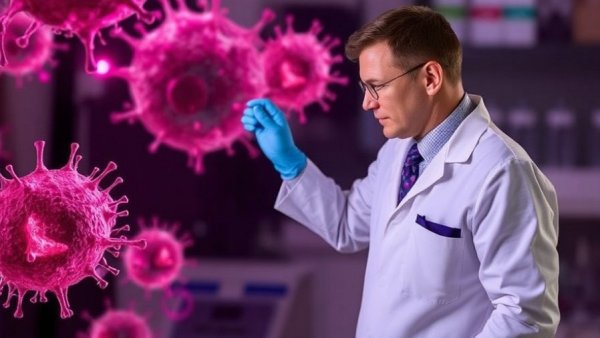
Understanding the Role of Fructose in Ovarian Cancer Spread
Recent research from The Wistar Institute has uncovered a surprising connection between fructose, a common sugar found in many foods, and the spread of aggressive ovarian cancer. This finding challenges the conventional understanding of how cancer cells respond to chemotherapy and raises new questions about dietary factors that may influence cancer progression.
The Unseen Threat: Fructose as a Biological Signal
Typically associated with sweet treats and beverages, fructose is not just a source of energy but can act as a biological signal in cancer biology. The study found that cancer cells that survived chemotherapy continue to release fructose, which weakens the bonds among tumor cells. This breakdown of connections makes it easier for cancer to spread throughout the body, worsening the prognosis for patients.
What Makes Ovarian Cancer So Dangerous?
Ovarian cancer is particularly lethal due to its tendency to recur after initial treatment and spread within the abdominal cavity. The vast majority of ovarian cancer deaths are a result of metastasis, which is the process by which cancer cells escape the original tumor site and establish new tumors elsewhere in the body. Previous research suggested that cells surviving treatment remained biologically active, influencing surrounding cells even when they were not dividing.
Implications for Treatment and Diet
This new knowledge urges both researchers and healthcare professionals to reconsider not only treatment strategies but also dietary recommendations for patients. Given the pronounced role fructose plays in cancer metastasis, adjusting sugar intake could be a straightforward way to potentially curb the spread of cancer after chemotherapy has concluded. It also indicates a need for further investigations on how dietary elements might interface with conventional cancer treatments.
The Role of AI in Cancer Research
As the landscape of cancer treatment evolves, innovations in artificial intelligence are paving the way for substantial breakthroughs. AI-driven tools are increasingly being utilized in drug discovery and clinical trial optimization, effectively enhancing our capacity to predict and understand the behaviors of cancer cells. Researchers are beginning to incorporate machine learning techniques to analyze complex biological interactions and improve therapeutic outcomes.
Looking Ahead: Strengthening Future Cancer Treatments
The revelations from this study are just the beginning. The integration of AI and machine learning in medical research holds promise for developing more precise treatment plans tailored to the unique genetic makeup of patients’ tumors. As AI continues to evolve, its applications in predicting cancer responses and evaluating treatment efficacy could lead to significant improvements in patient care.
In conclusion, the intersection of common dietary elements like fructose and advanced technologies like AI in medical research is critical. To make strides in the fight against cancer, healthcare professionals must remain informed and adaptable, leveraging both innovative research findings and technological advancements.








Write A Comment