


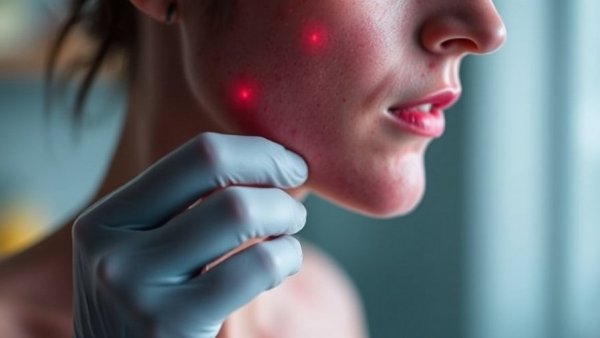
New Hope for Psoriasis Treatment: The Role of Pantethine
Recent research has revealed an exciting breakthrough in the fight against psoriasis, a chronic autoimmune condition that causes skin cells to multiply rapidly, leading to itchy patches and inflammation. Scientists have found that pantethine, a derivative of vitamin B5, may calm overactive immune cells, showing promise as a new treatment option.
Pantethine works by interacting with dendritic cells, which are crucial players in our immune system. These specialized immune cells, often referred to as the body's "watchtowers," help coordinate the immune response by presenting antigens to T cells. However, when these cells are too active, they can instigate persistent inflammation and contribute to autoimmune diseases such as psoriasis. The research highlighted that reducing the activity of certain enzymes, specifically Vanins found in dendritic cells from psoriasis patients, could lead to less immune stimulation and thus, less inflammation.
Understanding the Cholesterol Connection
An intriguing aspect of this study is its link between cholesterol and psoriasis. High levels of cholesterol in the body have long been associated with inflammatory diseases, and this research goes a step further by connecting how cholesterol affects immune cell behavior. Elevated cholesterol levels can enhance dendritic cell activity, perpetuating a cycle of inflammation.
Pantethine is already known to help lower cholesterol levels. When Vanins convert pantethine into vitamin B5, it supports energy production in cells. This process influences how immune cells, such as dendritic cells, regulate inflammation. Thus, pantethine could serve a dual purpose: managing cholesterol levels while simultaneously modulating immune response.
Clinical Implications and Future Directions
The promising results observed in mice, and initial improvements in a small human trial, invite further investigation into pantethine's potential as a treatment for not just psoriasis, but perhaps other autoimmune diseases as well. This could open pathways for innovative therapies that leverage our understanding of metabolism to treat complex health conditions.
As healthcare professionals and researchers look to integrate more tools driven by artificial intelligence (AI) and machine learning, discoveries related to pantethine can inspire new AI models for drug discovery and disease management. These technologies can help better predict how metabolic changes can impact immune diseases, potentially paving the way for personalized treatment options.
Actionable Insights for Healthcare Professionals
For healthcare providers, staying abreast of novel treatments like pantethine can enhance patient care strategies. There are several ways to incorporate these insights into practice: advocating for clinical trials that explore pantethine’s effects on autoimmune conditions, educating patients about emerging treatments, and utilizing AI-driven predictive analytics to tailor treatment plans based on individual metabolic profiles.
Embracing such innovations, particularly through AI applications in drug discovery and personalized medicine, can improve patient outcomes and contribute to the evolving landscape of healthcare.
In summary, the link between pantethine, cholesterol, and immune response offers a fresh perspective in the battle against psoriasis. Continued research can potentially empower healthcare innovations and enrich patient care practices.












Write A Comment