cropper
update
Ai Pulth
Ai Pulse Health
update
  • Home
  • Categories
    • Better Patient Care
    • New Medical Discoveries
    • Smart Health Tools
    • AI and Ethics
    • Real-Life Success Stories
    • What’s Next in AI Health
November 10.2026
2 Minutes Read

Discovering Alzheimer’s Early Symptoms: A Shift to Recognize Warning Signs Beyond the Brain

Alzheimer’s may have early warning signs outside the brain

Unexpected Early Signs of Alzheimer’s Disease

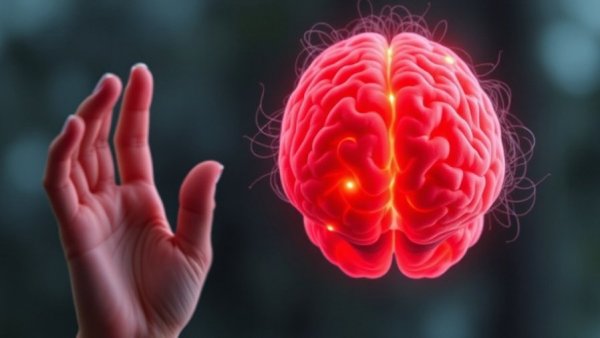
Alzheimer’s disease has long been associated primarily with memory loss and cognitive decline, but new research indicates that early symptoms might begin outside the brain. Scientists from the University of Central Florida (UCF) have identified that certain genetic mutations associated with inherited Alzheimer’s may disrupt nerve-to-muscle connections, leading to movement issues potentially years before cognitive symptoms appear.

The Link Between Motor Function and Alzheimer’s

By using laboratory systems constructed from human cells, the UCF team discovered that movements controlled by specific motor neurons could be affected by Alzheimer’s mutations. This finding suggests that early indicators of Alzheimer’s might not just linger in cognitive domains but could also manifest physically. "Motor deficits may be an earlier indication of Alzheimer’s," noted research professor Xiufang "Nadine" Guo.

Impact of Peripheral Nervous System Involvement

Traditionally, Alzheimer’s has been viewed as affecting the brain and central nervous system. However, these discoveries imply that the peripheral nervous system—nerves outside of the brain and spinal cord—can be impacted directly by Alzheimer’s mutations. During experiments, motor neurons that harbored these genetic mutations exhibited disruptions in their ability to connect with muscles even when the brain was not involved at all. This illuminating research reshapes our understanding of how Alzheimer's symptoms might evolve and highlights the necessity for a more comprehensive approach in treatment strategies.

Rethinking Alzheimer’s Diagnosis and Treatment

This research opens up fascinating discussions about the future trajectory of Alzheimer’s treatment and detection. If changes in balance, walking, or coordination can signal the onset of the disease, healthcare professionals could potentially focus on these symptoms for earlier diagnosis. Traditionally, Alzheimer’s treatments concentrate on brain health, but these findings suggest that effective intervention may need to address broader physiological changes as well.

Implications for Healthcare Professionals

For healthcare professionals, adapting to these findings is crucial. New diagnostic criteria might emerge that combine cognitive assessments with evaluations of motor function. Utilizing AI in medical research could also be pivotal, potentially aiding in predictive analytics for early disease detection based on physical symptoms, opening avenues for innovative AI-powered diagnostic tools.

Conclusion: The Value of Early Detection

Understanding that Alzheimer’s may exhibit physical symptoms prior to cognitive decline emphasizes the importance of early intervention in treatment plans. This revelation not only informs patient care but reinforces the necessity of interdisciplinary approaches, integrating insights from neuroscience, genetics, and technology in combating this complex disease.

New Medical Discoveries

2 Views

0 Comments

Write A Comment

*
*
Please complete the captcha to submit your comment.
Related Posts All Posts
11.10.2026

Unveiling the Benefits of Pantethine: A New Tool to Combat Psoriasis

Update New Hope for Psoriasis Treatment: The Role of Pantethine Recent research has revealed an exciting breakthrough in the fight against psoriasis, a chronic autoimmune condition that causes skin cells to multiply rapidly, leading to itchy patches and inflammation. Scientists have found that pantethine, a derivative of vitamin B5, may calm overactive immune cells, showing promise as a new treatment option. Pantethine works by interacting with dendritic cells, which are crucial players in our immune system. These specialized immune cells, often referred to as the body's "watchtowers," help coordinate the immune response by presenting antigens to T cells. However, when these cells are too active, they can instigate persistent inflammation and contribute to autoimmune diseases such as psoriasis. The research highlighted that reducing the activity of certain enzymes, specifically Vanins found in dendritic cells from psoriasis patients, could lead to less immune stimulation and thus, less inflammation. Understanding the Cholesterol Connection An intriguing aspect of this study is its link between cholesterol and psoriasis. High levels of cholesterol in the body have long been associated with inflammatory diseases, and this research goes a step further by connecting how cholesterol affects immune cell behavior. Elevated cholesterol levels can enhance dendritic cell activity, perpetuating a cycle of inflammation. Pantethine is already known to help lower cholesterol levels. When Vanins convert pantethine into vitamin B5, it supports energy production in cells. This process influences how immune cells, such as dendritic cells, regulate inflammation. Thus, pantethine could serve a dual purpose: managing cholesterol levels while simultaneously modulating immune response. Clinical Implications and Future Directions The promising results observed in mice, and initial improvements in a small human trial, invite further investigation into pantethine's potential as a treatment for not just psoriasis, but perhaps other autoimmune diseases as well. This could open pathways for innovative therapies that leverage our understanding of metabolism to treat complex health conditions. As healthcare professionals and researchers look to integrate more tools driven by artificial intelligence (AI) and machine learning, discoveries related to pantethine can inspire new AI models for drug discovery and disease management. These technologies can help better predict how metabolic changes can impact immune diseases, potentially paving the way for personalized treatment options. Actionable Insights for Healthcare Professionals For healthcare providers, staying abreast of novel treatments like pantethine can enhance patient care strategies. There are several ways to incorporate these insights into practice: advocating for clinical trials that explore pantethine’s effects on autoimmune conditions, educating patients about emerging treatments, and utilizing AI-driven predictive analytics to tailor treatment plans based on individual metabolic profiles. Embracing such innovations, particularly through AI applications in drug discovery and personalized medicine, can improve patient outcomes and contribute to the evolving landscape of healthcare. In summary, the link between pantethine, cholesterol, and immune response offers a fresh perspective in the battle against psoriasis. Continued research can potentially empower healthcare innovations and enrich patient care practices.

11.09.2026

Understanding Cannabis Addiction: The Role of Consumption Methods and AI Innovations

Update Unveiling the Hidden Risks of Cannabis Use Scientists at NYU Langone Health have recently shed light on the complexities of cannabis consumption, revealing critical insights about addiction potential based on consumption methods. The findings from a comprehensive study involving over 17,700 adults indicate that individuals who consume cannabis through multiple methods—such as smoking, vaping, and eating edibles—display significantly higher rates of daily usage and addiction symptoms. This is particularly alarming given that nearly 67% of those using every form of cannabis met the criteria for cannabis use disorder, compared to just 15% of those who primarily consumed edibles. Why Consumption Methods Matter The medical diagnosis of cannabis addiction is associated with various patterns of use. The recent study categorized users into four groups based on their consumption: predominantly smoking, a combination of smoking and vaping, those who primarily consumed edibles, and the notably concerning "polymodal group," which uses multiple forms. The familiarity with these patterns is crucial for healthcare professionals and researchers aiming to understand behavioral health risks associated with cannabis and other substances. The Role of Age in Cannabis Consumption Interestingly, the study also noted that young adults aged 18 to 25 were most likely to engage in the polymodal consumption pattern. They accounted for nearly one-third of both the smoking and vaping gangs and the polymodal group. This age group has been crucial in shaping trends in cannabis consumption, particularly as attitudes towards cannabis use have evolved over recent years. How AI Can Support Better Understanding Modern technologies, especially artificial intelligence (AI), play a pivotal role in understanding and analyzing data related to cannabis consumption and addiction patterns. AI-driven medical breakthroughs can assist researchers in processing vast amounts of information to pinpoint risk factors associated with specific patterns of use. As we learn about patterns in real-time, machine learning algorithms can help clinicians tailor interventions and predict potential addiction risks. Implications for Healthcare Professionals As more adults turn to cannabis, it is vital for healthcare professionals to ask not just if patients use cannabis, but how they consume it. The findings underscore the importance of having informed discussions about consumption methods, as early intervention can ultimately aid in preventing addiction. Assessing lifestyle patterns concerning cannabis habits can lead to early disease detection and more tailored patient care, drawing a strong connection between technology integration in healthcare and improved patient outcomes. Looking Ahead: Transforming Cannabis Research with AI The landscape of cannabis research stands to benefit immensely from advancements in AI and machine learning. As new data emerges, predictive analytics can equip researchers and healthcare providers to make influential decisions that positively impact public health. By recognizing the intricacies of cannabis consumption, innovative solutions can be developed to address addiction and promote healthier usage. Ultimately, studying consumption patterns, combined with AI-powered tools for data analytics, is essential for navigating the evolving world of cannabis use. Taking proactive steps today can help mitigate the risks tomorrow, paving the way for a more informed public and evolving healthcare approaches to drug safety.

11.09.2026

Unraveling Miro1: A Hidden Protein's Role in Type 2 Diabetes

Update Understanding the Role of the Miro1 Protein in Type 2 Diabetes Type 2 diabetes is a complex disease that has puzzled scientists for years, primarily due to its multifactorial nature. A new player in this scenario, Miro1, a protein located on the outer membrane of mitochondria, has been identified as a potential key driver of insulin resistance. This groundbreaking finding could pave the way for new strategies in managing blood sugar levels and enhancing treatment efficacy. How Miro1 Affects Insulin Sensitivity The protein Miro1, or Mitochondrial Rho GTPase 1, has shown higher levels in the muscle tissues of individuals with Type 2 diabetes. Research indicates that an excess of Miro1 disrupts the normal response of muscle cells to insulin, making blood sugar management difficult. In laboratory experiments, the removal of Miro1 restored insulin sensitivity, marking it as a promising target for therapeutic interventions. The Impact of Exercise on Miro1 Levels Interestingly, exercise has been shown to lower Miro1 levels significantly, particularly in people battling obesity and Type 2 diabetes. A recent randomized controlled trial highlighted that individuals engaging in aerobic exercises noticed notable enhancements in their insulin sensitivity alongside reduced Miro1 levels. This dual benefit emphasizes the critical role of physical activity not just in weight management but also in improving metabolic health. Future Directions in Diabetes Treatment As researchers unravel the complexities of Type 2 diabetes, the identification of Miro1 offers a fresh perspective on potential treatments. New drugs targeting Miro1 could complement lifestyle changes like exercise, providing patients with a multifaceted approach to managing their condition effectively. This concept aligns with the broader trend in personalized medicine where treatments are tailored to individual biological markers. Why This Discovery Matters For healthcare professionals and researchers, understanding the mechanisms behind insulin resistance is vital. The discovery of Miro1 not only enhances knowledge about the biological underpinnings of Type 2 diabetes but also demonstrates the importance of continued research into lesser-known proteins. With innovative AI-driven tools in medical research, the path to uncovering compelling solutions around diabetes management is becoming clearer, enhancing the hope for improved patient outcomes. The Broader Implications of AI in Medical Research While the breakthrough surrounding Miro1 is a significant advancement, it also serves as a conduit to discuss the synergy between biomedical research and artificial intelligence (AI). AI has the potential to transform the healthcare landscape by optimizing drug discovery processes, enhancing data analysis in clinical trials, and paving the way for precision medicine. The integration of AI can streamline research efforts, enabling quicker identification of target proteins like Miro1 and accelerating the journey toward effective therapeutic interventions. As we continue to explore how proteins like Miro1 can shape treatment approaches, it’s essential for healthcare professionals to stay informed on emerging research innovations. Embracing new technologies and methodologies may ultimately lead to groundbreaking advances in the fight against Type 2 diabetes and other chronic diseases. For healthcare professionals and medical researchers, understanding the dynamics of proteins such as Miro1 can lead to better treatment strategies. Fostering a dialogue on the role of exercise and emerging research perspectives on diabetes treatment might encourage a more engaged approach to patient care.

Ai Pulse Health
UPDATE
  • update
  • update
  • update
  • update
  • update
  • update
  • update

ABOUT US

AI Pulse Health delivers the latest news and insights on how AI is transforming healthcare, from medical advancements to wellness tools and patient care innovations.

© 2026 Ai Pulse Health All Rights Reserved. Harp Island Close, London, Brent NW100DF . Contact Us . Terms of Service . Privacy Policy

eyJjb21wYW55IjoiQWkgUHVsc2UgSGVhbHRoIiwiYWRkcmVzcyI6IkhhcnAgSXNsYW5kIENsb3NlIiwiY2l0eSI6IkxvbmRvbiIsInN0YXRlIjoiQnJlbnQiLCJ6aXAiOiJOVzEwMERGIiwiZW1haWwiOiJsb3JlbmFzQGdldG1pbGVyaXNtYXJrZXRpbmcuY29tIiwidG9zIjoiUEhBK1BITjBjbTl1Wno0OFpXMCtWMmhsYmlCNWIzVWdjMmxuYmkxcGJpQjNhWFJvSUhWekxDQjViM1VnWVhKbElHZHBkbWx1WnladVluTndPeUI1YjNWeUlIQmxjbTFwYzNOcGIyNGdZVzVrSUdOdmJuTmxiblFnZEc4Z2MyVnVaQ0I1YjNVZ1pXMWhhV3dnWVc1a0wyOXlJRk5OVXlCMFpYaDBJRzFsYzNOaFoyVnpMaUJDZVNCamFHVmphMmx1WnlCMGFHVWdWR1Z5YlhNZ1lXNWtJRU52Ym1ScGRHbHZibk1nWW05NElHRnVaQ0JpZVNCemFXZHVhVzVuSUdsdUlIbHZkU0JoZFhSdmJXRjBhV05oYkd4NUlHTnZibVpwY20wZ2RHaGhkQ0I1YjNVZ1lXTmpaWEIwSUdGc2JDQjBaWEp0Y3lCcGJpQjBhR2x6SUdGbmNtVmxiV1Z1ZEM0OEwyVnRQand2YzNSeWIyNW5Qand2Y0Q0S0NqeHdQanhoSUdoeVpXWTlJbWgwZEhBNkx5OTNkM2N1WjI5dloyeGxMbU52YlNJK2FIUjBjRG92TDNkM2R5NW5iMjluYkdVdVkyOXRQQzloUGp3dmNENEtDanh3UGladVluTndPend2Y0Q0S0NqeHdQanh6ZEhKdmJtYytVMFZTVmtsRFJUd3ZjM1J5YjI1blBqd3ZjRDRLQ2p4d1BsZGxJSEJ5YjNacFpHVWdZU0J6WlhKMmFXTmxJSFJvWVhRZ1kzVnljbVZ1ZEd4NUlHRnNiRzkzY3lCNWIzVWdkRzhnY21WalpXbDJaU0J5WlhGMVpYTjBjeUJtYjNJZ1ptVmxaR0poWTJzc0lHTnZiWEJoYm5rZ2FXNW1iM0p0WVhScGIyNHNJSEJ5YjIxdmRHbHZibUZzSUdsdVptOXliV0YwYVc5dUxDQmpiMjF3WVc1NUlHRnNaWEowY3l3Z1kyOTFjRzl1Y3l3Z1pHbHpZMjkxYm5SeklHRnVaQ0J2ZEdobGNpQnViM1JwWm1sallYUnBiMjV6SUhSdklIbHZkWElnWlcxaGFXd2dZV1JrY21WemN5QmhibVF2YjNJZ1kyVnNiSFZzWVhJZ2NHaHZibVVnYjNJZ1pHVjJhV05sTGlCWmIzVWdkVzVrWlhKemRHRnVaQ0JoYm1RZ1lXZHlaV1VnZEdoaGRDQjBhR1VnVTJWeWRtbGpaU0JwY3lCd2NtOTJhV1JsWkNBbWNYVnZkRHRCVXkxSlV5WnhkVzkwT3lCaGJtUWdkR2hoZENCM1pTQmhjM04xYldVZ2JtOGdjbVZ6Y0c5dWMybGlhV3hwZEhrZ1ptOXlJSFJvWlNCMGFXMWxiR2x1WlhOekxDQmtaV3hsZEdsdmJpd2diV2x6TFdSbGJHbDJaWEo1SUc5eUlHWmhhV3gxY21VZ2RHOGdjM1J2Y21VZ1lXNTVJSFZ6WlhJZ1kyOXRiWFZ1YVdOaGRHbHZibk1nYjNJZ2NHVnljMjl1WVd4cGVtRjBhVzl1SUhObGRIUnBibWR6TGp3dmNENEtDanh3UGxsdmRTQmhjbVVnY21WemNHOXVjMmxpYkdVZ1ptOXlJRzlpZEdGcGJtbHVaeUJoWTJObGMzTWdkRzhnZEdobElGTmxjblpwWTJVc0lHRnVaQ0IwYUdGMElHRmpZMlZ6Y3lCdFlYa2dhVzUyYjJ4MlpTQjBhR2x5WkMxd1lYSjBlU0JtWldWeklDaHpkV05vSUdGeklGTk5VeUIwWlhoMElHMWxjM05oWjJWekxDQkpiblJsY201bGRDQnpaWEoyYVdObElIQnliM1pwWkdWeUlHOXlJR05sYkd4MWJHRnlJR0ZwY25ScGJXVWdZMmhoY21kbGN5a3VJRmx2ZFNCaGNtVWdjbVZ6Y0c5dWMybGliR1VnWm05eUlIUm9iM05sSUdabFpYTXNJR2x1WTJ4MVpHbHVaeUIwYUc5elpTQm1aV1Z6SUdGemMyOWphV0YwWldRZ2QybDBhQ0IwYUdVZ1pHbHpjR3hoZVNCdmNpQmtaV3hwZG1WeWVTQnZaaUJsWVdOb0lGTk5VeUIwWlhoMElHMWxjM05oWjJVZ2QyVWdjMlZ1WkNCMGJ5QjViM1V1SUVsdUlHRmtaR2wwYVc5dUxDQjViM1VnYlhWemRDQndjbTkyYVdSbElHRnVaQ0JoY21VZ2NtVnpjRzl1YzJsaWJHVWdabTl5SUdGc2JDQmxjWFZwY0cxbGJuUWdibVZqWlhOellYSjVJSFJ2SUdGalkyVnpjeUIwYUdVZ1UyVnlkbWxqWlNCaGJtUWdjbVZqWldsMlpTQjBhR1VnVTAxVElIUmxlSFFnYldWemMyRm5aWE11SUZkbElHUnZJRzV2ZENCamFHRnlaMlVnWVc1NUlHWmxaWE1nWm05eUlIUm9aU0JrWld4cGRtVnllU0J2WmlCbGJXRnBiQ0J2Y2lCVFRWTXVJRlJvYVhNZ2FYTWdZU0JtY21WbElITmxjblpwWTJVZ2QyVWdjSEp2ZG1sa1pTNGdTRzkzWlhabGNpd2djR3hsWVhObElHTm9aV05ySUhkcGRHZ2dlVzkxY2lCcGJuUmxjbTVsZENCelpYSjJhV05sSUhCeWIzWnBaR1Z5SUdGdVpDQmpaV3hzZFd4aGNpQmpZWEp5YVdWeUlHWnZjaUJoYm5rZ1kyaGhjbWRsY3lCMGFHRjBJSGx2ZFNCdFlYa2dhVzVqZFhJZ1lYTWdZU0J5WlhOMWJIUWdiMllnY21WalpXbDJhVzVuSUdWdFlXbHNJR0Z1WkNCVFRWTWdkR1Y0ZENCdFpYTnpZV2RsY3lCMGFHRjBJSGRsSUdSbGJHbDJaWElnZFhCdmJpQjViM1Z5SUc5d2RDMXBiaUJoYm1RZ2NtVm5hWE4wY21GMGFXOXVJSGRwZEdnZ2IzVnlJR1Z0WVdsc0lHRnVaQ0JUVFZNZ2MyVnlkbWxqWlhNdUlGbHZkU0JqWVc0Z1kyRnVZMlZzSUdGMElHRnVlU0IwYVcxbExpQktkWE4wSUhSbGVIUWdKbkYxYjNRN1UxUlBVQ1p4ZFc5ME95QjBieVp1WW5Od096eG9hV2RvYkdsbmFIUWdZMnhoYzNNOUltTnZiWEJoYm5sVFRWTlFhRzl1WlZWd1pHRjBaU0krYm5Wc2JEd3ZhR2xuYUd4cFoyaDBQaTRnUVdaMFpYSWdlVzkxSUhObGJtUWdkR2hsSUZOTlV5QnRaWE56WVdkbElDWnhkVzkwTzFOVVQxQW1jWFZ2ZERzZ2RHOGdkWE1zSUhkbElIZHBiR3dnYzJWdVpDQjViM1VnWVc0Z1UwMVRJRzFsYzNOaFoyVWdkRzhnWTI5dVptbHliU0IwYUdGMElIbHZkU0JvWVhabElHSmxaVzRnZFc1emRXSnpZM0pwWW1Wa0xpQkJablJsY2lCMGFHbHpMQ0I1YjNVZ2QybHNiQ0J1YnlCc2IyNW5aWElnY21WalpXbDJaU0JUVFZNZ2JXVnpjMkZuWlhNZ1puSnZiU0IxY3k0OEwzQStDZ284Y0Q0OGMzUnliMjVuUGxsUFZWSWdVa1ZIU1ZOVVVrRlVTVTlPSUU5Q1RFbEhRVlJKVDA1VFBDOXpkSEp2Ym1jK1BDOXdQZ29LUEhBK1NXNGdZMjl1YzJsa1pYSmhkR2x2YmlCdlppQjViM1Z5SUhWelpTQnZaaUIwYUdVZ1UyVnlkbWxqWlN3Z2VXOTFJR0ZuY21WbElIUnZPand2Y0Q0S0NqeHZiRDRLQ1R4c2FUNXdjbTkyYVdSbElIUnlkV1VzSUdGalkzVnlZWFJsTENCamRYSnlaVzUwSUdGdVpDQmpiMjF3YkdWMFpTQnBibVp2Y20xaGRHbHZiaUJoWW05MWRDQjViM1Z5YzJWc1ppQmhjeUJ3Y205dGNIUmxaQ0JpZVNCMGFHVWdVMlZ5ZG1salpTWWpNems3Y3lCeVpXZHBjM1J5WVhScGIyNGdabTl5YlNBb2MzVmphQ0JwYm1admNtMWhkR2x2YmlCaVpXbHVaeUIwYUdVZ0puRjFiM1E3VW1WbmFYTjBjbUYwYVc5dUlFUmhkR0VtY1hWdmREc3BJR0Z1WkR3dmJHaytDZ2s4YkdrK2JXRnBiblJoYVc0Z1lXNWtJSEJ5YjIxd2RHeDVJSFZ3WkdGMFpTQjBhR1VnVW1WbmFYTjBjbUYwYVc5dUlFUmhkR0VnZEc4Z2EyVmxjQ0JwZENCMGNuVmxMQ0JoWTJOMWNtRjBaU3dnWTNWeWNtVnVkQ0JoYm1RZ1kyOXRjR3hsZEdVdUlFbG1JSGx2ZFNCd2NtOTJhV1JsSUdGdWVTQnBibVp2Y20xaGRHbHZiaUIwYUdGMElHbHpJSFZ1ZEhKMVpTd2dhVzVoWTJOMWNtRjBaU3dnYm05MElHTjFjbkpsYm5RZ2IzSWdhVzVqYjIxd2JHVjBaU3dnYjNJZ2QyVWdhR0YyWlNCeVpXRnpiMjVoWW14bElHZHliM1Z1WkhNZ2RHOGdjM1Z6Y0dWamRDQjBhR0YwSUhOMVkyZ2dhVzVtYjNKdFlYUnBiMjRnYVhNZ2RXNTBjblZsTENCcGJtRmpZM1Z5WVhSbExDQnViM1FnWTNWeWNtVnVkQ0J2Y2lCcGJtTnZiWEJzWlhSbExDQjNaU0JvWVhabElIUm9aU0J5YVdkb2RDQjBieUJ6ZFhOd1pXNWtJRzl5SUR4emRISnZibWMrUEhOd1lXNGdjM1I1YkdVOUltTnZiRzl5T2lOR1JqQXdNREE3SWo1MFpYSnRhVzVoZEdVZ2VXOTFjaUJoWTJOdmRXNTBMM0J5YjJacGJHVWdZVzVrSUhKbFpuVnpaU0JoYm5rZ1lXNWtJR0ZzYkNCamRYSnlaVzUwSUc5eUlHWjFkSFZ5WlNCMWMyVWdiMllnZEdobElGTmxjblpwWTJVZ0tHOXlJR0Z1ZVNCd2IzSjBhVzl1SUhSb1pYSmxiMllwTGp3dmMzQmhiajQ4TDNOMGNtOXVaejQ4TDJ4cFBnbzhMMjlzUGdvS1BIQStKbTVpYzNBN1BDOXdQZ284YUdsbmFHeHBaMmgwSUdOc1lYTnpQU0pqYjIxd1lXNTVUbUZ0WlZWd1pHRjBaU0krUVdrZ1VIVnNjMlVnU0dWaGJIUm9QQzlvYVdkb2JHbG5hSFErUEdKeUlDOCtDanhvYVdkb2JHbG5hSFFnWTJ4aGMzTTlJbU52YlhCaGJubEJaR1J5WlhOelZYQmtZWFJsSWo1SVlYSndJRWx6YkdGdVpDQkRiRzl6WlN3Z1RHOXVaRzl1TENCQ2NtVnVkQ0JPVnpFd01FUkdQQzlvYVdkb2JHbG5hSFErUEdKeUlDOCtDanhvYVdkb2JHbG5hSFFnWTJ4aGMzTTlJbU52YlhCaGJubFFhRzl1WlZWd1pHRjBaU0krS3pRME56ZzFOalUxTURBek5Ud3ZhR2xuYUd4cFoyaDBQanhpY2lBdlBnbzhhR2xuYUd4cFoyaDBJR05zWVhOelBTSmpiMjF3WVc1NVJXMWhhV3hWY0dSaGRHVWlQbXh2Y21WdVlYTkFaMlYwYldsc1pYSnBjMjFoY210bGRHbHVaeTVqYjIwOEwyaHBaMmhzYVdkb2REND0iLCJwcml2YWN5IjoiUEhBK1BITjBjbTl1Wno1UVVrbFdRVU5aUEM5emRISnZibWMrUEM5d1Bnb0tQSEErUEhOMGNtOXVaejVVYUdVZ2FXNW1iM0p0WVhScGIyNGdjSEp2ZG1sa1pXUWdaSFZ5YVc1bklIUm9hWE1nY21WbmFYTjBjbUYwYVc5dUlHbHpJR3RsY0hRZ2NISnBkbUYwWlNCaGJtUWdZMjl1Wm1sa1pXNTBhV0ZzTENCaGJtUWdkMmxzYkNCdVpYWmxjaUJpWlNCa2FYTjBjbWxpZFhSbFpDd2dZMjl3YVdWa0xDQnpiMnhrTENCMGNtRmtaV1FnYjNJZ2NHOXpkR1ZrSUdsdUlHRnVlU0IzWVhrc0lITm9ZWEJsSUc5eUlHWnZjbTB1SUZSb2FYTWdhWE1nYjNWeUlHZDFZWEpoYm5SbFpTNDhMM04wY205dVp6NDhMM0ErQ2dvOGNENDhjM1J5YjI1blBrbE9SRVZOVGtsVVdUd3ZjM1J5YjI1blBqd3ZjRDRLQ2p4d1BqeGxiVDVaYjNVZ1lXZHlaV1VnZEc4Z2FXNWtaVzF1YVdaNUlHRnVaQ0JvYjJ4a0lIVnpMQ0JoYm1RZ2FYUnpJSE4xWW5OcFpHbGhjbWxsY3l3Z1lXWm1hV3hwWVhSbGN5d2diMlptYVdObGNuTXNJR0ZuWlc1MGN5d2dZMjh0WW5KaGJtUmxjbk1nYjNJZ2IzUm9aWElnY0dGeWRHNWxjbk1zSUdGdVpDQmxiWEJzYjNsbFpYTXNJR2hoY20xc1pYTnpJR1p5YjIwZ1lXNTVJR05zWVdsdElHOXlJR1JsYldGdVpDd2dhVzVqYkhWa2FXNW5JSEpsWVhOdmJtRmliR1VnWVhSMGIzSnVaWGx6SmlNek9Uc2dabVZsY3l3Z2JXRmtaU0JpZVNCaGJua2dkR2hwY21RZ2NHRnlkSGtnWkhWbElIUnZJRzl5SUdGeWFYTnBibWNnYjNWMElHOW1JRU52Ym5SbGJuUWdlVzkxSUhKbFkyVnBkbVVzSUhOMVltMXBkQ3dnY21Wd2JIa3NJSEJ2YzNRc0lIUnlZVzV6YldsMElHOXlJRzFoYTJVZ1lYWmhhV3hoWW14bElIUm9jbTkxWjJnZ2RHaGxJRk5sY25acFkyVXNJSGx2ZFhJZ2RYTmxJRzltSUhSb1pTQlRaWEoyYVdObExDQjViM1Z5SUdOdmJtNWxZM1JwYjI0Z2RHOGdkR2hsSUZObGNuWnBZMlVzSUhsdmRYSWdkbWx2YkdGMGFXOXVJRzltSUhSb1pTQlVUMU1zSUc5eUlIbHZkWElnZG1sdmJHRjBhVzl1SUc5bUlHRnVlU0J5YVdkb2RITWdiMllnWVc1dmRHaGxjaTQ4TDJWdFBqd3ZjRDRLQ2p4d1BqeHpkSEp2Ym1jK1JFbFRRMHhCU1UxRlVpQlBSaUJYUVZKU1FVNVVTVVZUUEM5emRISnZibWMrUEM5d1Bnb0tQSEErUEhOMGNtOXVaejVaVDFVZ1JWaFFVa1ZUVTB4WklGVk9SRVZTVTFSQlRrUWdRVTVFSUVGSFVrVkZJRlJJUVZRNlBDOXpkSEp2Ym1jK1BDOXdQZ29LUEc5c1Bnb0pQR3hwUGxsUFZWSWdWVk5GSUU5R0lGUklSU0JUUlZKV1NVTkZJRWxUSUVGVUlGbFBWVklnVTA5TVJTQlNTVk5MTGlCVVNFVWdVMFZTVmtsRFJTQkpVeUJRVWs5V1NVUkZSQ0JQVGlCQlRpQW1jWFZ2ZER0QlV5QkpVeVp4ZFc5ME95QkJUa1FnSm5GMWIzUTdRVk1nUVZaQlNVeEJRa3hGSm5GMWIzUTdJRUpCVTBsVExpQXNMaUJCVGtRZ1ZWTXNJRWxVSmlNek9UdFRJRU5WVTFSUFRVVlNVeXdnUlZoUVVrVlRVMHhaSUVSSlUwTk1RVWxOVXlCQlRFd2dWMEZTVWtGT1ZFbEZVeUJQUmlCQlRsa2dTMGxPUkN3Z1YwaEZWRWhGVWlCRldGQlNSVk5USUU5U0lFbE5VRXhKUlVRc0lFbE9RMHhWUkVsT1J5d2dRbFZVSUU1UFZDQk1TVTFKVkVWRUlGUlBJRlJJUlNCSlRWQk1TVVZFSUZkQlVsSkJUbFJKUlZNZ1QwWWdUVVZTUTBoQlRsUkJRa2xNU1ZSWkxDQkdTVlJPUlZOVElFWlBVaUJCSUZCQlVsUkpRMVZNUVZJZ1VGVlNVRTlUUlNCQlRrUWdUazlPTFVsT1JsSkpUa2RGVFVWT1ZDNDhMMnhwUGdvSlBHeHBQazFCUzBWVElFNVBJRmRCVWxKQlRsUlpJRlJJUVZRZ0tHa3BJRlJJUlNCVFJWSldTVU5GSUZkSlRFd2dUVVZGVkNCWlQxVlNJRkpGVVZWSlVrVk5SVTVVVXl3Z0tHbHBLU0JVU0VVZ1UwVlNWa2xEUlNCWFNVeE1JRUpGSUZWT1NVNVVSVkpTVlZCVVJVUXNJRlJKVFVWTVdTd2dVMFZEVlZKRkxDQlBVaUJGVWxKUFVpMUdVa1ZGTENBb2FXbHBLU0JVU0VVZ1VrVlRWVXhVVXlCVVNFRlVJRTFCV1NCQ1JTQlBRbFJCU1U1RlJDQkdVazlOSUZSSVJTQlZVMFVnVDBZZ1ZFaEZJRk5GVWxaSlEwVWdWMGxNVENCQ1JTQkJRME5WVWtGVVJTQlBVaUJTUlV4SlFVSk1SU3dnUVU1RUlDaHBkaWtnUVU1WklFVlNVazlTVXlCSlRpQlVTRVVnVTA5R1ZGZEJVa1VnVjBsTVRDQkNSU0JEVDFKU1JVTlVSVVF1UEM5c2FUNEtDVHhzYVQ1QlRsa2dUVUZVUlZKSlFVd2dSRTlYVGt4UFFVUkZSQ0JQVWlCUFZFaEZVbGRKVTBVZ1QwSlVRVWxPUlVRZ1ZFaFNUMVZIU0NCVVNFVWdWVk5GSUU5R0lGUklSU0JUUlZKV1NVTkZJRWxUSUVSUFRrVWdRVlFnV1U5VlVpQlBWMDRnUkVsVFExSkZWRWxQVGlCQlRrUWdVa2xUU3lCQlRrUWdWRWhCVkNCWlQxVWdWMGxNVENCQ1JTQlRUMHhGVEZrZ1VrVlRVRTlPVTBsQ1RFVWdSazlTSUVGT1dTQkVRVTFCUjBVZ1ZFOGdXVTlWVWlCRFQwMVFWVlJGVWlCVFdWTlVSVTBnVDFJZ1RFOVRVeUJQUmlCRVFWUkJJRlJJUVZRZ1VrVlRWVXhVVXlCR1VrOU5JRlJJUlNCRVQxZE9URTlCUkNCUFJpQkJUbGtnVTFWRFNDQk5RVlJGVWtsQlRDNDhMMnhwUGdvSlBHeHBQazVQSUVGRVZrbERSU0JQVWlCSlRrWlBVazFCVkVsUFRpd2dWMGhGVkVoRlVpQlBVa0ZNSUU5U0lGZFNTVlJVUlU0c0lFOUNWRUZKVGtWRUlFSlpJRmxQVlNCR1VrOU5JRTlTSUZSSVVrOVZSMGdnVDFJZ1JsSlBUU0JVU0VVZ1UwVlNWa2xEUlNCVFNFRk1UQ0JEVWtWQlZFVWdRVTVaSUZkQlVsSkJUbFJaSUU1UFZDQkZXRkJTUlZOVFRGa2dVMVJCVkVWRUlFbE9JRlJJUlNCVVQxTXVQQzlzYVQ0S1BDOXZiRDRLQ2p4d1BqeHpkSEp2Ym1jK1RFbE5TVlJCVkVsUFRpQlBSaUJNU1VGQ1NVeEpWRms4TDNOMGNtOXVaejQ4TDNBK0NnbzhjRDVaVDFVZ1JWaFFVa1ZUVTB4WklGVk9SRVZTVTFSQlRrUWdRVTVFSUVGSFVrVkZJRlJJUVZRZ1FVNUVJRk5JUVV4TUlFNVBWQ0JDUlNCTVNVRkNURVVnUms5U0lFRk9XU0JFU1ZKRlExUXNJRWxPUkVsU1JVTlVMQ0JKVGtOSlJFVk9WRUZNTENCVFVFVkRTVUZNTENCRFQwNVRSVkZWUlU1VVNVRk1JRTlTSUVWWVJVMVFURUZTV1NCRVFVMUJSMFZUTENCSlRrTk1WVVJKVGtjZ1FsVlVJRTVQVkNCTVNVMUpWRVZFSUZSUExDQkVRVTFCUjBWVElFWlBVaUJNVDFOVElFOUdJRkJTVDBaSlZGTXNJRWRQVDBSWFNVeE1MQ0JWVTBVc0lFUkJWRUVnVDFJZ1QxUklSVklnU1U1VVFVNUhTVUpNUlNCTVQxTlRSVk1nS0VWV1JVNGdTVVlnU0VGVElFSkZSVTRnUVVSV1NWTkZSQ0JQUmlCVVNFVWdVRTlUVTBsQ1NVeEpWRmtnVDBZZ1UxVkRTQ0JFUVUxQlIwVlRLU3dnVWtWVFZVeFVTVTVISUVaU1QwMDZQQzl3UGdvS1BHOXNQZ29KUEd4cFBsUklSU0JWVTBVZ1QxSWdWRWhGSUVsT1FVSkpURWxVV1NCVVR5QlZVMFVnVkVoRklGTkZVbFpKUTBVN1BDOXNhVDRLQ1R4c2FUNVVTRVVnUTA5VFZDQlBSaUJRVWs5RFZWSkZUVVZPVkNCUFJpQlRWVUpUVkVsVVZWUkZJRWRQVDBSVElFRk9SQ0JUUlZKV1NVTkZVeUJTUlZOVlRGUkpUa2NnUmxKUFRTQkJUbGtnUjA5UFJGTXNJRVJCVkVFc0lFbE9SazlTVFVGVVNVOU9JRTlTSUZORlVsWkpRMFZUSUZCVlVrTklRVk5GUkNCUFVpQlBRbFJCU1U1RlJDQlBVaUJOUlZOVFFVZEZVeUJTUlVORlNWWkZSQ0JQVWlCVVVrRk9VMEZEVkVsUFRsTWdSVTVVUlZKRlJDQkpUbFJQSUZSSVVrOVZSMGdnVDFJZ1JsSlBUU0JVU0VVZ1UwVlNWa2xEUlRzOEwyeHBQZ29KUEd4cFBsVk9RVlZVU0U5U1NWcEZSQ0JCUTBORlUxTWdWRThnVDFJZ1FVeFVSVkpCVkVsUFRpQlBSaUJaVDFWU0lGUlNRVTVUVFVsVFUwbFBUbE1nVDFJZ1JFRlVRVHM4TDJ4cFBnb0pQR3hwUGxOVVFWUkZUVVZPVkZNZ1QxSWdRMDlPUkZWRFZDQlBSaUJCVGxrZ1ZFaEpVa1FnVUVGU1ZGa2dUMDRnVkVoRklGTkZVbFpKUTBVN0lFOVNQQzlzYVQ0S0NUeHNhVDVCVGxrZ1QxUklSVklnVFVGVVZFVlNJRkpGVEVGVVNVNUhJRlJQSUZSSVJTQlRSVkpXU1VORkxqd3ZiR2srQ2p3dmIydytDZ284Y0Q0OGRUNUNlU0J5WldkcGMzUmxjbWx1WnlCaGJtUWdjM1ZpYzJOeWFXSnBibWNnZEc4Z2IzVnlJR1Z0WVdsc0lHRnVaQ0JUVFZNZ2MyVnlkbWxqWlN3Z1lua2diM0IwTFdsdUxDQnZibXhwYm1VZ2NtVm5hWE4wY21GMGFXOXVJRzl5SUdKNUlHWnBiR3hwYm1jZ2IzVjBJR0VnWTJGeVpDd2dKbkYxYjNRN2VXOTFJR0ZuY21WbElIUnZJSFJvWlhObElGUkZVazFUSUU5R0lGTkZVbFpKUTBVbWNYVnZkRHNnWVc1a0lIbHZkU0JoWTJ0dWIzZHNaV1JuWlNCaGJtUWdkVzVrWlhKemRHRnVaQ0IwYUdVZ1lXSnZkbVVnZEdWeWJYTWdiMllnYzJWeWRtbGpaU0J2ZFhSc2FXNWxaQ0JoYm1RZ1pHVjBZV2xzWldRZ1ptOXlJSGx2ZFNCMGIyUmhlUzQ4TDNVK1BDOXdQZ29LUEhBK0ptNWljM0E3UEM5d1BnbzhhR2xuYUd4cFoyaDBJR05zWVhOelBTSmpiMjF3WVc1NVRtRnRaVlZ3WkdGMFpTSStRV2tnVUhWc2MyVWdTR1ZoYkhSb1BDOW9hV2RvYkdsbmFIUStQR0p5SUM4K0NqeG9hV2RvYkdsbmFIUWdZMnhoYzNNOUltTnZiWEJoYm5sQlpHUnlaWE56VlhCa1lYUmxJajVJWVhKd0lFbHpiR0Z1WkNCRGJHOXpaU3dnVEc5dVpHOXVMQ0JDY21WdWRDQk9WekV3TUVSR1BDOW9hV2RvYkdsbmFIUStQR0p5SUM4K0NqeG9hV2RvYkdsbmFIUWdZMnhoYzNNOUltTnZiWEJoYm5sUWFHOXVaVlZ3WkdGMFpTSStLelEwTnpnMU5qVTFNREF6TlR3dmFHbG5hR3hwWjJoMFBqeGljaUF2UGdvOGFHbG5hR3hwWjJoMElHTnNZWE56UFNKamIyMXdZVzU1UlcxaGFXeFZjR1JoZEdVaVBteHZjbVZ1WVhOQVoyVjBiV2xzWlhKcGMyMWhjbXRsZEdsdVp5NWpiMjA4TDJocFoyaHNhV2RvZEQ0PSJ9

Terms of Service

Privacy Policy

Core Modal Title

Sorry, no results found

You Might Find These Articles Interesting

T
Please Check Your Email
We Will Be Following Up Shortly
*
*
*