


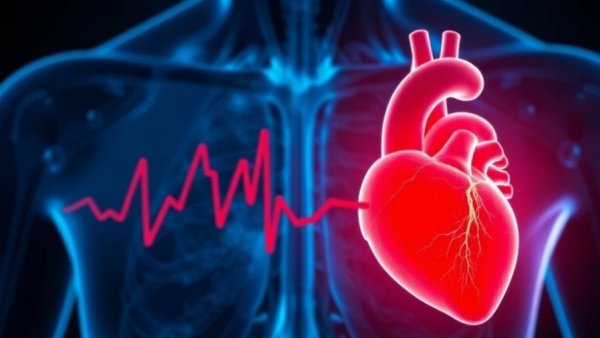
Understanding the Invisible Threats to Heart Health
Heart disease continues to be a leading cause of death globally, challenging many both in prevention and understanding. New research from Chalmers University of Technology has unveiled that health risks can persist even when 'bad cholesterol' levels are under control. This implies a more complex nature of cardiovascular health than previously acknowledged.
The Role of Other Fat-Carrying Particles
While lowering low-density lipoprotein (LDL) cholesterol has been a primary focus in heart disease prevention, findings indicate that other particles, such as triglyceride-rich lipoproteins (TRL) and lipoprotein(a) (Lp(a)), contribute significantly to inflammation and blood vessel damage. These findings are crucial because they highlight that it's not just about managing LDL but also understanding the impact of these additional particles on heart health.
How this Research Changes the Game
Advancing our understanding of these fat-carrying particles opens up new avenues for heart disease prevention strategies. Instead of solely targeting cholesterol levels, healthcare professionals may now consider these other elements in their strategies. This could transform not only how we educate patients about their heart health but also redefine the treatment landscape.
AI's Role in Advancing Heart Health Understanding
The integration of artificial intelligence (AI) in medical research could be a game-changer in cardiovascular medicine. AI can analyze vast datasets to identify nuanced patterns among different fat-carrying particles and their impacts on heart health. By leveraging machine learning techniques, researchers can develop predictive models that help foresee heart disease risks in patients, even when traditional cholesterol measures seem satisfactory.
Future Perspectives: A Holistic Approach to Heart Health
The ongoing research suggests that a broader approach is needed in cardiovascular health. Understanding the mechanics behind how these particles work can help in creating precise approaches, including personalized medicine routes. For healthcare innovators, this could lead to new tools and techniques that focus on individualized treatment based on a patient’s unique profile, rather than the generalized LDL-centric methods currently utilized.
Key Takeaway: Beyond the Cholesterol Myths
As we peel back the layers surrounding heart disease, it's clear that dismissing risks based solely on cholesterol readings is a misconception that could have dire consequences. For healthcare professionals and patients alike, recognizing the full spectrum of cardiovascular health factors is crucial.










Write A Comment