


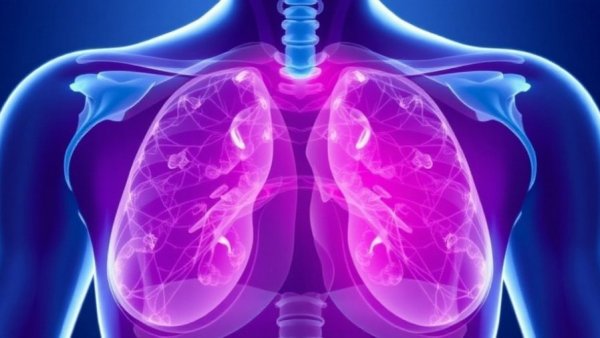
What's the Link Between 'Forever Chemicals' and Breast Cancer?
Recent research from the National Institutes of Health (NIH) has ignited conversations around the connection between two common pollutants, known as "forever chemicals," and increased rates of an aggressive form of breast cancer. Women with high levels of perfluorooctanoic acid (PFOA) and perfluorooctanesulfonic acid (PFOS) in their blood were found to be at a significantly higher risk for estrogen receptor-negative breast cancer, which is known to be more difficult to treat and associated with poorer health outcomes.
Understanding ER-Negative Breast Cancer
Breast cancer is not a monolithic disease; its various forms have different characteristics and responses to treatment. ER-negative breast cancer is distinguished by its lack of estrogen receptors, rendering hormonal therapies ineffective. This type is known to grow aggressively, making it a high priority for medical research and intervention.
The Role of 'Forever Chemicals'
PFOA and PFOS belong to a larger group of substances known as per- and polyfluoroalkyl substances (PFAS), notorious for persisting in the environment and our bodies. These chemicals have been found in a variety of common products, raising concern among health officials and the public alike. With mounting evidence suggesting a 93% increase in ER-negative breast cancer among women with the highest exposure levels, the need for further investigation into these chemicals is urgent.
Implications for Health Practices
Given these findings, healthcare professionals, medical researchers, and innovators in health technology are called to action. It is crucial to understand how these persistent chemicals might impact human health and to develop strategies to mitigate their effects. The intersection of emerging research and existing technology offers a fertile ground for innovations in disease detection and prevention, propelled by AI and predictive analytics.
Future Directions in Cancer Research
The study's insights add to the ongoing discourse about environmental health risks and their intersection with medical research. Advancements in AI-driven tools can significantly enhance how we approach cancer diagnosis and treatment, offering better patient outcomes. As artificial intelligence reshapes medical research and diagnostics, the potential for discovering early indicators of diseases like ER-negative breast cancer increases.
Taking Action: What You Can Do
Professionals in healthcare can prioritize educating their patients about potential environmental toxins like PFAS and encourage discussions about minimizing exposure. For those involved in medical research, this study serves as a reminder to explore the nuances of cancer risks associated with environmental factors and integrate findings into clinical practices.
Conclusion: Why Awareness Matters
This NIH study underscores the importance of understanding chemical exposure in the context of breast cancer. By remaining informed and proactive, both healthcare professionals and patients can make more empowered choices regarding health and safety. The dialogue surrounding forever chemicals and their health implications must continue to ensure that we protect and enhance human health effectively.









Write A Comment