


Understanding Yao Syndrome: Key Insights
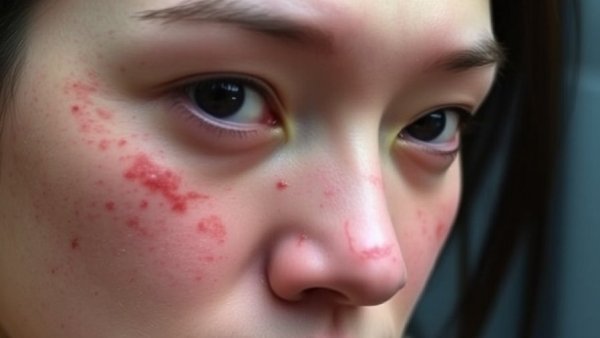
Yao syndrome, though relatively rare, has begun to capture attention due to its notable symptoms and skin manifestations. A recent review involving 470 patients highlighted that urticarial-spectrum lesions represent the most common skin finding in individuals diagnosed with this syndrome. These findings not only emphasize the importance of accurate diagnosis but also shed light on the need for proactive patient care approaches in managing this condition effectively. As awareness grows, understanding this syndrome becomes increasingly vital for patients and caregivers alike.
What Are Urticarial Lesions?
Urticarial lesions are raised, itchy welts that can develop anywhere on the body. They often signify an allergic response, and their prevalence in Yao syndrome hints at an underlying immune dysregulation unique to this condition. Patients may notice these welts appearing suddenly and resolving just as quickly. For many, urticarial lesions can be accompanied by other symptoms, which may include fatigue or gastrointestinal distress, complicating the overall management of Yao syndrome. Understanding these lesions can help patients identify and manage their symptoms more effectively. Additionally, proper medical guidance can transform the management of these symptoms, turning complex interactions into clearer strategies for maintaining skin health.
The Role of Patient Care Innovations
In an age where healthcare technology is rapidly advancing, innovations in patient care are crucial for managing complex conditions like Yao syndrome. For instance, personalized healthcare solutions not only focus on symptom management but also encompass broader health strategies tailored to individual needs. Empowering patients with knowledge about their condition, including the implications of their skin symptoms, is essential for fostering a proactive approach to health management. Moreover, educational resources and support groups can play a vital role in helping patients navigate the emotional and psychological challenges that often accompany chronic health conditions.
Bridging the Gap with AI-Driven Healthcare Solutions
Artificial intelligence (AI) is at the forefront of transforming patient care. From digital health innovations to smart health monitoring systems, AI can facilitate better patient outcomes through personalized health data analysis. For those with Yao syndrome, AI-driven healthcare solutions can assist in identifying triggers or patterns in their urticarial lesions, offering insights that guide more effective treatment options. This technology enables providers to analyze trends over time, allowing adjustments that can significantly improve a patient’s standard of living. Additionally, some AI platforms are being programmed to provide suggestions for lifestyle adjustments that could ease symptoms, thereby increasing patients' engagement in their health journey.
Preventive Healthcare Tips for Patients
For patients dealing with Yao syndrome or similar conditions, preventive healthcare is pivotal. Engaging in a healthy lifestyle, managing stress, and utilizing telemedicine for consultations can help maintain well-being. Simple lifestyle adjustments, such as incorporating anti-inflammatory foods into the diet, staying well-hydrated, and adopting a consistent exercise routine, can assist in minimizing the severity of symptoms. Regular communication with healthcare providers allows for timely adjustments in treatment, ultimately leading to enhanced quality of life. Furthermore, keeping a symptom diary can be beneficial, enabling patients to track patterns related to their urticarial lesions and overall health.
Future Outlook on Healthcare and Management of Yao Syndrome
The conversation around Yao syndrome and its skin manifestations represents a broader dialogue on the importance of continuous research and patient awareness. As healthcare evolves with advancements in technology, staying informed on health news and medical advancements will empower patients and caregivers alike. Ongoing education about chronic disease management, wellness strategies, and innovations in patient care ensures that individuals affected by Yao syndrome are not just passive recipients of treatment but active participants in their health journey. Continued research will play a crucial role in identifying the causes of Yao syndrome and developing targeted therapies.
Action Steps for Patients and Caregivers
If you or a loved one is navigating the complexities of Yao syndrome, it's vital to recognize the importance of seeking comprehensive care. Engage in open dialogues with healthcare professionals, explore AI-driven solutions available for ongoing monitoring and support, and prioritize a preventive healthcare approach that caters to individual health needs. By taking these steps, you can enhance your wellness journey, improve overall quality of life, and stay informed about the latest healthcare innovations.
Furthermore, consider connecting with support groups online or in your community where you can meet others facing similar challenges. Sharing experiences and strategies can provide comfort and practical insights. Lastly, it's essential to advocate for yourself or your loved one when seeking care. Being an informed patient can significantly influence the quality of care received, ensuring that individual needs are met. In this way, those living with Yao syndrome can build a supportive ecosystem that fosters healing and empowerment.











Write A Comment