


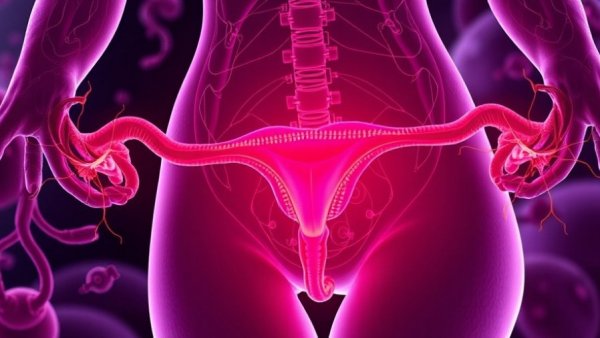
Understanding Endometriosis: A Deeper Look at Immune Dysregulation
Endometriosis, a chronic and often debilitating condition affecting millions of women worldwide, has come under the spotlight recently due to exciting new research linking immune system dysregulation to its progression. Scientists have identified the presence of TREM2+ macrophages at elevated levels in endometrial lesions, along with a correlating drop in crucial immune cells like cytotoxic T lymphocytes and natural killer cells. This discovery sheds light on how the immune system may play a pivotal role in the development and persistence of endometriosis, providing fresh avenues for treatments that could empower patients.
The Immune System’s Role in Endometriosis
The immune system's interaction with endometriosis suggests that it is not merely a gynecological disorder, but rather an intricate interplay between hormonal changes and immune responses. According to the latest research, the excess of TREM2+ macrophages could be a double-edged sword, as while they may promote tissue healing, an overload can hinder the immune response against aberrant tissue growth. This situation can create a challenging environment for the body, allowing the endometrial-like tissue outside the uterus to thrive and induce pain and inflammation.
Moreover, the relative scarcity of cytotoxic T lymphocytes and natural killer cells in the affected areas highlights a significant lapse in the immune defense, which normally helps to eliminate harmful cells. Understanding this imbalance offers a critical window into why women with endometriosis may experience a wide range of symptoms, from painful periods to infertility. Hence, this underlines the need for innovative approaches to patient care that address both immune function and symptom management.
Healthcare Innovations Helping Patients
In light of these findings, healthcare professionals and researchers are urged to consider innovative treatment modalities that target immune dysfunction in endometriosis. Patients are increasingly encouraged to become advocates for personalized healthcare solutions that not only address physical health challenges but also integrate emotional well-being into their care. This holistic approach is essential in ensuring that patients receive comprehensive support tailored to their individual needs.
For instance, treatments exploring immune modulation are gradually gaining traction, with options such as immunotherapy or targeted biologics being researched. These options must be communicated effectively to patients so they can make informed decisions about their treatment plans.
Real-life Success Stories: The Impact of Empowerment
Many patients have reported significant improvements in their quality of life when they actively engage in their treatment plans. They’ve shared stories of how understanding their condition and the immune pathways involved led them to adopt lifestyle changes that enhanced their overall wellness. One patient shared that after learning about the immune aspect of her endometriosis, she sought out nutritional advice focused on anti-inflammatory foods, which subsequently led to a reduction in her symptoms.
These personal narratives not only highlight the importance of education and awareness but also serve as touching reminders that women can reclaim their lives and health through informed choices. Yet, it’s paramount that healthcare providers support patients in their journeys by offering resources and guidance tailored to their specific needs.
The Future of Research and Patient Care in Endometriosis
The implications of this research extend beyond just understanding endometriosis; they herald potential advancements in how chronic conditions are approached in general. The notion that AI-driven healthcare solutions can help decipher complex biological interactions to personalize treatments aligns with current healthcare technology trends. For example, prediction models powered by AI could assist healthcare providers in determining which patients may benefit most from targeted therapies, thus paving the way for better patient outcomes, particularly for conditions impacted by immune dysregulation.
Furthermore, continuous dialogue between researchers and policymakers is critical. This collaboration can help secure funding for innovative studies, ultimately transforming the treatment landscape for endometriosis and beyond.
Exploring Preventive Strategies for Wellness
For those in the health-conscious demographic, it’s crucial to highlight preventive healthcare tips that can bolster immune function. Strategies can include incorporating regular physical activity into daily routines, optimizing sleep hygiene, and managing stress through mindfulness practices. The benefits of moderate exercise, for example, are well-documented; it not only boosts the immune system but also aids in the release of endorphins, which can reduce pain perception.
Moreover, diet plays a significant role in managing endometriosis symptoms. Focusing on anti-inflammatory foods such as leafy greens, fatty fish, and nuts can make a notable difference in disease outcome. When patients adopt these wellness strategies, they may not only help manage symptoms of endometriosis but also enhance their overall sense of well-being.
Conclusion: A Call to Action for Empowering Patients
As research continues to unveil the connections between the immune system and endometriosis, it’s imperative that patients navigate their journey with actionable insights at their disposal. By understanding the role of immune dysregulation and seeking out patient care innovations, individuals can advocate for themselves in a way that promotes better health outcomes. This empowerment can lead to more open conversations with healthcare providers and perhaps stimulate broader changes in the approach to women's health.
We encourage readers to explore these emerging trends, discuss them with their healthcare providers, and be proactive in implementing strategies that enhance both physical and mental health. Remember, being informed is a powerful tool in managing health, and no one should have to navigate their endometriosis journey alone.












Write A Comment