


The Surprising Science of Sleep Pressure
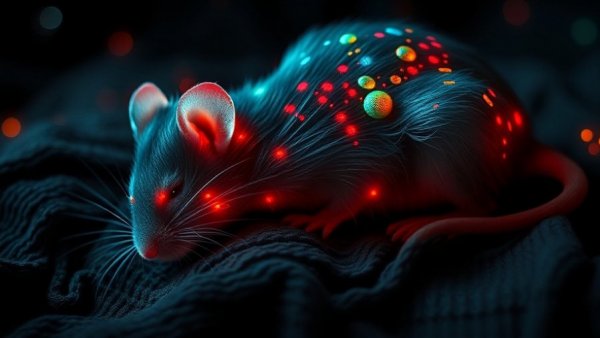
Have you ever wondered why you feel so sleepy after a long day? Recent research from the University of Basel reveals fascinating insights into how our brains regulate the need for sleep. By studying mice, scientists have identified critical brain cells that become active the longer the animals are awake. This establishes a direct connection between wakefulness and the increasing urge to sleep, known as sleep pressure. Understanding these mechanisms may not only deepen our grasp of sleep but also impact medical practices surrounding sleep disorders.
New Research: Cutting Edge Discoveries in Sleep Regulation
The study identified specific groups of neurons—GABAergic and serotonergic—that monitor wakefulness and drive sleep. When these neurons were turned off, mice slept about 70% less than usual, a startling finding given the expected negative behavioral repercussions from lack of sleep. Surprisingly, many of the mice exhibited fewer behavioral issues typically associated with sleep deprivation.
The Role of Neurons in Sleep and Behavior
By observing the change in activity of these neurons during different states of sleep and wakefulness, researchers gained insight into their dual role; they don't just signal wakefulness but are directly involved in promoting sleep. The implications extend beyond just mice; this research could influence how we think about sleep in humans, especially in light of growing concerns about sleep disorders in a technologically driven world.
The Connection to AI: Enhancing Medical Understanding
This groundbreaking research underlines the increasing intersection of neuroscience and AI in medical diagnostics. As scientists move forward, integrating artificial intelligence into this field could enhance analysis of sleep patterns and related disorders. AI tools are already revolutionizing healthcare—especially predictive analytics that allow researchers to tailor treatments based on individual sleep needs. AI’s potential to automate and analyze vast amounts of data can lead to breakthroughs not only in sleep medicine but in numerous areas of healthcare.
Looking Ahead: Future Implications for Health Tech Innovations
As we delve deeper into the mysteries of sleep, it is essential to consider how emerging technologies, particularly AI, can aid our understanding. The capabilities of AI in medical research, such as personalized treatments and improved diagnostic tools, may expand our horizons in tackling sleep-related issues and beyond. With trends indicating growth in AI-driven medical breakthroughs, the future appears brighter for healthcare innovation.
Conclusion: Why This Research Matters
Whether you’re a healthcare professional, a medical researcher, or a tech innovator, this new knowledge on sleep regulation sheds light on pivotal issues that impact our understanding of health and well-being. Continuing to explore these findings may guide future innovations that can enhance sleep quality and, consequently, overall health.











Write A Comment