


Revolutionizing Gum Disease Treatment: A Breakthrough
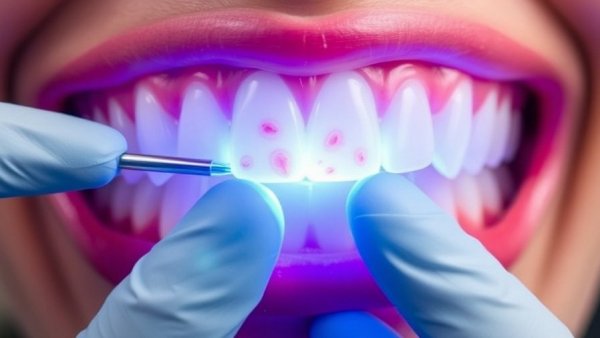
Researchers at Nagoya University in Japan have made significant strides in treating gum disease thanks to a novel method that specifically targets harmful bacteria while preserving beneficial microbes. This precise treatment is particularly aimed at combating periodontitis, a severe form of gum disease that not only causes pain but can also lead to tooth loss. Unlike traditional solutions, which often kill both good and bad bacteria, this new approach harnesses the power of egg yolk antibodies in combination with near-infrared light.
The Problem with Conventional Treatments
Current methods for tackling gum disease, such as antibiotics and antimicrobial photodynamic therapies, frequently destroy the oral ecosystem, leading to potential adverse outcomes. As explained by Kazuhide Sato, a researcher involved in the project, these treatments do not discriminate between harmful bacteria and those necessary for oral health. The danger lies in eliminating protective species, which may further exacerbate inflammation and contribute to dental issues.
Innovation Rooted in Cancer Treatment
Inspired by treatment techniques originally developed for cancer therapy, the team has utilized a method known as near-infrared photoimmunotherapy. This technique employs light-sensitive dyes attached to antibodies that specifically target Porphyromonas gingivalis, a keystone pathogen playing a critical role in gum disease. The antibodies, derived from egg yolks of hens immunized against the pathogen, allow for large-scale and cost-effective production, representing a promising new frontier in targeted therapies.
Benefits of the New Treatment Approach
The new method, called near-infrared photo-antibacterial targeting therapy (NIR-PAT²), has shown encouraging results in early experiments. It not only reduces harmful organisms but also protects healthily functioning cells within the gums, which is essential for maintaining the body's microbial balance. Such advancements hold the potential to transform both dental and overall health, particularly as researchers continue to explore the balance of microorganisms in the human mouth.
Looking Ahead: The Future of Gum Disease Therapy
With continued experimentation and research, this innovative treatment could pave the way for more effective, less invasive options for patients suffering from periodontitis. The implications extend beyond oral health—showcasing how a nuanced understanding of disease and technology can lead to transformative healthcare solutions. As Dr. Sarah Thompson emphasizes, the intersection of artificial intelligence and medical diagnostics will continue to shape innovative approaches that could enhance patient outcomes in the future.
Final Thoughts: Why This Matters
The introduction of NIR-PAT² underscores the importance of tailoring treatments to the unique needs of patients, adapting successful strategies from one area of medicine to another. For healthcare professionals, understanding the importance of bacterium balance in the mouth might change how therapies are developed and implemented, enhancing overall patient care.
As we continue to explore these advancements in medical technology, the insights gained from this method not only inform dental health but also reflect larger trends in healthcare that prioritize personalized treatments. The world of AI and healthcare innovation is rapidly advancing, leading us into a future where such breakthroughs could become commonplace.











Write A Comment