cropper
update
Ai Pulth
Ai Pulse Health
update
  • Home
  • Categories
    • Better Patient Care
    • New Medical Discoveries
    • Smart Health Tools
    • AI and Ethics
    • Real-Life Success Stories
    • What’s Next in AI Health
November 06.2026
2 Minutes Read

Revolutionary Gel Offers Hope for Regrowing Tooth Enamel: Discover How It Works

Goodbye, cavities? Scientists create gel that could regrow tooth enamel

Could Gel Revolutionize Dental Care Forever?

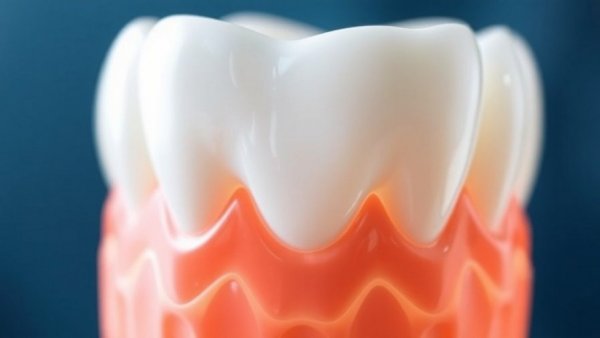
In a breakthrough that could change the landscape of dental care, researchers from the University of Nottingham have developed a gel capable of regrowing lost tooth enamel. This revolutionary gel offers not just the promise of restoring damaged teeth, but it could also significantly reduce the incidence of cavities and sensitivity, two persistent issues in oral health. The gel uses natural minerals found in saliva—specifically calcium and phosphate ions—to regenerate enamel in a similar way to how it forms during childhood.

How This Gel Works: A Closer Look

Unlike traditional methods that often rely on fluoride, this innovative gel employs a material crafted from proteins that mimic the natural proteins vital for enamel formation. When applied, it fills in microscopic cracks and creates a thin, durable coating on the tooth surface. This process, known as epitaxial mineralization, enables the new enamel substance to grow in alignment with existing tooth structures, allowing for a strong and durable bond.

Addressing Tooth Sensitivity and Preventing Decay

Another significant aspect of this gel is its ability to address issues of tooth sensitivity, especially for those whose dentin has been exposed due to enamel erosion or gum recession. By promoting an enamel-like mineral layer over dentin, this gel will not only decrease sensitivity to stimuli like hot and cold but also enhance the attachment of dental restorations. This makes it a dual-action solution, combating both discomfort and decay.

The Impact of AI and Technology on Future Solutions

As we marvel at innovations like this gel, it is essential to consider how advancements in artificial intelligence could further enhance dental technologies. AI is already making waves in various areas of healthcare, including diagnostics, treatment recommendations, and even patient recruitment for clinical trials. Integrating AI into dental research could lead to more customized treatment options, predictive analytics to anticipate dental issues, and improved efficacy of interventions like this groundbreaking gel. The juxtaposition of AI in oral care not only showcases the innovative spirit of medical research but also brings us closer to proactive dental health management.

Final Thoughts

As this new gel progresses through clinical evaluations, it holds the potential to redefine standard dental procedures and enhance patient care. The significance of this innovation is noteworthy as it not only promises a solution for currently irreversible conditions but also opens the door for future explorations in regenerative medicine and applications influenced by AI technologies. As healthcare professionals, staying informed on such advancements can provide insights that fundamentally improve practice and patient outcomes.

New Medical Discoveries

0 Views

0 Comments

Write A Comment

*
*
Please complete the captcha to submit your comment.
Related Posts All Posts
11.05.2026

Discovery of BRP as a Natural Ozempic Alternative: The Role of AI

Update AI Unveils a Revolutionary Natural Molecule for Weight Loss In a groundbreaking discovery, Stanford researchers have harnessed artificial intelligence to unveil BRP, a naturally occurring molecule that shows remarkable potential as a weight-loss treatment. Unlike current obesity medications such as Ozempic, which can lead to digestive side effects and muscle loss, BRP specifically targets the brain’s hypothalamus to manage hunger and metabolism more effectively. Understanding the Mechanism of BRP BRP's targeted approach could represent a significant shift in obesity treatment. While the active ingredient in Ozempic, semaglutide, influences multiple organs, leading to broader side effects, BRP is designed to act primarily on the hypothalamus, the brain region that plays a critical role in regulating hunger. This unique mechanism not only reduces food intake effectively—by up to 50% in animal trials—but could also minimize adverse reactions typically caused by obesity drugs. AI’s Role in the Discovery of BRP The discovery of BRP exemplifies how AI-driven medical breakthroughs can transform healthcare. Researchers utilized machine learning algorithms to analyze thousands of compounds, pinpointing BRP by its appetite-suppressing qualities. This innovative process illustrates the immense potential of AI in drug discovery, showcasing its ability to accelerate the identification of viable therapeutic candidates while providing insights into biological mechanisms that govern body weight and hunger. The Future of Weight-Loss Treatments Given the dire global obesity epidemic, treatments that can effectively suppress appetite with fewer side effects are in high demand. If future human trials confirm BRP's efficacy and safety, it could pave the way for a new generation of obesity medications that provide people with healthier options for weight management, fundamentally changing how we approach treatment for obesity. The Broader Impact of AI in Healthcare BRP's discovery is not just a triumph for weight loss; it represents a defining moment in the realm of healthcare innovation. It highlights the vital role of artificial intelligence in the future of medical diagnostics, drug discovery, and personalized medicine. With continued advancements in machine learning, we can expect further breakthroughs that will enhance treatment options for various conditions, from metabolic diseases to cancer. As healthcare professionals, researchers, and innovators look to the future, the path is clear: the integration of AI offers an unprecedented opportunity to understand and combat chronic health issues through novel therapies. With BRP on the horizon, we may soon have the tools to tackle obesity more effectively than ever before, potentially changing countless lives.

11.05.2026

How Super HGF Could Revolutionize Muscle Repair for Aging Patients

Update The Breakthrough in Muscle Repair TechnologyRecent scientific advancements have led to an exciting discovery regarding muscle repair, particularly relevant to aging populations. Researchers from Kyushu University have identified a compound that enhances the natural muscle-repair protein known as hepatocyte growth factor (HGF), transforming it into what they refer to as "Super HGF." This enhancement more than doubles the protein's ability to bind to a specific receptor essential for muscle regeneration while simultaneously protecting it from age-related breakdown.Understanding How Aging Affects Muscle HealthAs people age, muscle strength and their ability to recover from injury begin to decline. This is due in part to the breakdown of skeletal muscle tissue, which becomes less effective at rebuilding itself. Aging muscles often experience diminished functionality as fat accumulates and essential muscle fibers decline. Without proper maintenance and recovery, everyday tasks become increasingly challenging, impacting one's mobility and quality of life.The critical element in muscle regeneration involves specialized stem cells known as satellite cells. These cells, which lie dormant alongside muscle fibers, are activated when the body signals a need for repair. This is where HGF plays a pivotal role; it binds to the c-met receptor present on satellite cells, signaling them to wake up and begin the regeneration process. However, the effectiveness of HGF decreases with age, leading to less efficient muscle repair.What Makes Super HGF Special?The team, led by Professor Ryuichi Tatsumi, published their findings in *Scientific Reports*. Their research suggests that a chemical modification process—known as nitration—may hamper HGF's ability to connect to its receptor. The newly developed Super HGF, however, is engineered to resist this modification, maintaining its functionality and potency even in aging muscles. This breakthrough opens up potential new avenues for treatments targeting muscle atrophy and loss of strength, which affect countless individuals across the globe.The Future of Muscle Repair and AI InnovationsThis groundbreaking discovery is particularly significant in today's context where technology plays a pivotal role in healthcare innovations, including artificial intelligence (AI). AI is increasingly being utilized to optimize drug discovery processes and support medical research. The integration of AI in medical breakthroughs, such as muscle repair technologies, could streamline the pathway for developing effective treatments, potentially leading to personalized medicine treatments tailored to individual needs.Implications for Healthcare ProfessionalsFor healthcare professionals, the emergence of Super HGF offers a glimmer of hope in combatting age-related muscle deterioration. As this research develops, it will be essential to remain updated on new treatment options and their applications. Furthermore, AI technologies can complement these advancements, enabling better diagnostics and tailored patient care strategies. This collaborative approach could revolutionize the management of muscle loss in aging populations, addressing a prevalent concern.Call to Action for Health InnovatorsAs researchers and healthcare providers explore this innovative approach to muscle repair, continued engagement with emerging technologies, including AI for personalized medicine, will be crucial. Embrace these advancements to enhance patient outcomes and contribute to the growing narrative of regenerative medicine.

11.04.2026

Discovering Autism's Origins: How Placental Health and Inflammation Connect

Update Embarking on the Journey of Understanding Autism's Origins In an intriguing new study from Cold Spring Harbor Laboratory, researchers have made a breakthrough in unraveling the puzzle of autism’s origins, finding unexpected evidence linking maternal inflammation and placental health to autism-like traits in male mice. This discovery could revolutionize our understanding of autism spectrum disorder (ASD) while opening doors for early intervention strategies. Why Do Boys Have a Higher Risk of Autism? Autism is diagnosed more frequently in boys than in girls, a statistic that has puzzled scientists. The recent findings shed light on this discrepancy by revealing that male fetuses are more vulnerable to developmental issues caused by maternal immune activation during pregnancy. Researchers observed that special cells in the placenta, crucial for protecting the fetus from maternal immune responses, were damaged in male fetuses, potentially explaining the heightened risk of developing autism. Early Signs of Developmental Disruptions The study tracked the effects of inflammation at various stages of pregnancy, finding that a surge in immune response at around 12.5 days gestation led to a stark contrast in development between male and female embryos. While male embryos exhibited abnormal development, their female counterparts remained unharmed. This crucial finding indicates that signs of autism-related traits might manifest significantly earlier than previously thought, suggesting that pregnancy conditions can critically influence a child's neurodevelopment. A New Perspective on Placental Health The role of the placenta extends beyond simply nourishing a developing fetus; it plays a vital role in immune tolerance. Researchers suggest that understanding placental health could be key to realizing how environmental and genetic factors interplay in the development of ASD. The discovery that spongiotrophoblasts, the specialized placental cells, degrade in male fetuses—while remaining intact in females—provides actionable insights that could steer future research in maternal and fetal health. Moving Forward: Implications for Future Research This groundbreaking research illustrates the interconnectedness of maternal health, placental function, and neurodevelopment. By focusing on how immune activation impacts placental integrity, researchers can better target preventive measures during pregnancy. Moreover, advances in artificial intelligence (AI) can enhance these efforts by providing predictive analytics for outcomes based on a woman’s health during pregnancy. For instance, AI algorithms could identify at-risk pregnancies by analyzing data patterns from previous cases. How AI Can Transform Medical Research and Autism Studies As we delve deeper into the complex causations of autism, the integration of AI into medical diagnostics and treatment strategies promises significant benefits. Applications of AI in drug discovery and predictive modeling can enhance our understanding of genetic markers linked to autism, potentially leading to personalized treatment options. By leveraging AI's capabilities in genomics, researchers can analyze vast data sets to identify biomarkers that may predict autism risk, creating a proactive approach to prevention. Understanding these connections is essential for healthcare professionals and researchers aiming to improve outcomes for children at risk of developing autism. As we learn more about placental health and its implications for autism, interdisciplinary collaboration among geneticists, obstetricians, and AI specialists will be essential. To stay informed about the latest advancements in autism research and how technology is reshaping the landscape of medical discovery, it’s crucial for healthcare providers and researchers to engage with ongoing studies and innovations in predictive analytics.

Ai Pulse Health
UPDATE
  • update
  • update
  • update
  • update
  • update
  • update
  • update

ABOUT US

AI Pulse Health delivers the latest news and insights on how AI is transforming healthcare, from medical advancements to wellness tools and patient care innovations.

© 2026 Ai Pulse Health All Rights Reserved. Harp Island Close, London, Brent NW100DF . Contact Us . Terms of Service . Privacy Policy

eyJjb21wYW55IjoiQWkgUHVsc2UgSGVhbHRoIiwiYWRkcmVzcyI6IkhhcnAgSXNsYW5kIENsb3NlIiwiY2l0eSI6IkxvbmRvbiIsInN0YXRlIjoiQnJlbnQiLCJ6aXAiOiJOVzEwMERGIiwiZW1haWwiOiJsb3JlbmFzQGdldG1pbGVyaXNtYXJrZXRpbmcuY29tIiwidG9zIjoiUEhBK1BITjBjbTl1Wno0OFpXMCtWMmhsYmlCNWIzVWdjMmxuYmkxcGJpQjNhWFJvSUhWekxDQjViM1VnWVhKbElHZHBkbWx1WnladVluTndPeUI1YjNWeUlIQmxjbTFwYzNOcGIyNGdZVzVrSUdOdmJuTmxiblFnZEc4Z2MyVnVaQ0I1YjNVZ1pXMWhhV3dnWVc1a0wyOXlJRk5OVXlCMFpYaDBJRzFsYzNOaFoyVnpMaUJDZVNCamFHVmphMmx1WnlCMGFHVWdWR1Z5YlhNZ1lXNWtJRU52Ym1ScGRHbHZibk1nWW05NElHRnVaQ0JpZVNCemFXZHVhVzVuSUdsdUlIbHZkU0JoZFhSdmJXRjBhV05oYkd4NUlHTnZibVpwY20wZ2RHaGhkQ0I1YjNVZ1lXTmpaWEIwSUdGc2JDQjBaWEp0Y3lCcGJpQjBhR2x6SUdGbmNtVmxiV1Z1ZEM0OEwyVnRQand2YzNSeWIyNW5Qand2Y0Q0S0NqeHdQanhoSUdoeVpXWTlJbWgwZEhBNkx5OTNkM2N1WjI5dloyeGxMbU52YlNJK2FIUjBjRG92TDNkM2R5NW5iMjluYkdVdVkyOXRQQzloUGp3dmNENEtDanh3UGladVluTndPend2Y0Q0S0NqeHdQanh6ZEhKdmJtYytVMFZTVmtsRFJUd3ZjM1J5YjI1blBqd3ZjRDRLQ2p4d1BsZGxJSEJ5YjNacFpHVWdZU0J6WlhKMmFXTmxJSFJvWVhRZ1kzVnljbVZ1ZEd4NUlHRnNiRzkzY3lCNWIzVWdkRzhnY21WalpXbDJaU0J5WlhGMVpYTjBjeUJtYjNJZ1ptVmxaR0poWTJzc0lHTnZiWEJoYm5rZ2FXNW1iM0p0WVhScGIyNHNJSEJ5YjIxdmRHbHZibUZzSUdsdVptOXliV0YwYVc5dUxDQmpiMjF3WVc1NUlHRnNaWEowY3l3Z1kyOTFjRzl1Y3l3Z1pHbHpZMjkxYm5SeklHRnVaQ0J2ZEdobGNpQnViM1JwWm1sallYUnBiMjV6SUhSdklIbHZkWElnWlcxaGFXd2dZV1JrY21WemN5QmhibVF2YjNJZ1kyVnNiSFZzWVhJZ2NHaHZibVVnYjNJZ1pHVjJhV05sTGlCWmIzVWdkVzVrWlhKemRHRnVaQ0JoYm1RZ1lXZHlaV1VnZEdoaGRDQjBhR1VnVTJWeWRtbGpaU0JwY3lCd2NtOTJhV1JsWkNBbWNYVnZkRHRCVXkxSlV5WnhkVzkwT3lCaGJtUWdkR2hoZENCM1pTQmhjM04xYldVZ2JtOGdjbVZ6Y0c5dWMybGlhV3hwZEhrZ1ptOXlJSFJvWlNCMGFXMWxiR2x1WlhOekxDQmtaV3hsZEdsdmJpd2diV2x6TFdSbGJHbDJaWEo1SUc5eUlHWmhhV3gxY21VZ2RHOGdjM1J2Y21VZ1lXNTVJSFZ6WlhJZ1kyOXRiWFZ1YVdOaGRHbHZibk1nYjNJZ2NHVnljMjl1WVd4cGVtRjBhVzl1SUhObGRIUnBibWR6TGp3dmNENEtDanh3UGxsdmRTQmhjbVVnY21WemNHOXVjMmxpYkdVZ1ptOXlJRzlpZEdGcGJtbHVaeUJoWTJObGMzTWdkRzhnZEdobElGTmxjblpwWTJVc0lHRnVaQ0IwYUdGMElHRmpZMlZ6Y3lCdFlYa2dhVzUyYjJ4MlpTQjBhR2x5WkMxd1lYSjBlU0JtWldWeklDaHpkV05vSUdGeklGTk5VeUIwWlhoMElHMWxjM05oWjJWekxDQkpiblJsY201bGRDQnpaWEoyYVdObElIQnliM1pwWkdWeUlHOXlJR05sYkd4MWJHRnlJR0ZwY25ScGJXVWdZMmhoY21kbGN5a3VJRmx2ZFNCaGNtVWdjbVZ6Y0c5dWMybGliR1VnWm05eUlIUm9iM05sSUdabFpYTXNJR2x1WTJ4MVpHbHVaeUIwYUc5elpTQm1aV1Z6SUdGemMyOWphV0YwWldRZ2QybDBhQ0IwYUdVZ1pHbHpjR3hoZVNCdmNpQmtaV3hwZG1WeWVTQnZaaUJsWVdOb0lGTk5VeUIwWlhoMElHMWxjM05oWjJVZ2QyVWdjMlZ1WkNCMGJ5QjViM1V1SUVsdUlHRmtaR2wwYVc5dUxDQjViM1VnYlhWemRDQndjbTkyYVdSbElHRnVaQ0JoY21VZ2NtVnpjRzl1YzJsaWJHVWdabTl5SUdGc2JDQmxjWFZwY0cxbGJuUWdibVZqWlhOellYSjVJSFJ2SUdGalkyVnpjeUIwYUdVZ1UyVnlkbWxqWlNCaGJtUWdjbVZqWldsMlpTQjBhR1VnVTAxVElIUmxlSFFnYldWemMyRm5aWE11SUZkbElHUnZJRzV2ZENCamFHRnlaMlVnWVc1NUlHWmxaWE1nWm05eUlIUm9aU0JrWld4cGRtVnllU0J2WmlCbGJXRnBiQ0J2Y2lCVFRWTXVJRlJvYVhNZ2FYTWdZU0JtY21WbElITmxjblpwWTJVZ2QyVWdjSEp2ZG1sa1pTNGdTRzkzWlhabGNpd2djR3hsWVhObElHTm9aV05ySUhkcGRHZ2dlVzkxY2lCcGJuUmxjbTVsZENCelpYSjJhV05sSUhCeWIzWnBaR1Z5SUdGdVpDQmpaV3hzZFd4aGNpQmpZWEp5YVdWeUlHWnZjaUJoYm5rZ1kyaGhjbWRsY3lCMGFHRjBJSGx2ZFNCdFlYa2dhVzVqZFhJZ1lYTWdZU0J5WlhOMWJIUWdiMllnY21WalpXbDJhVzVuSUdWdFlXbHNJR0Z1WkNCVFRWTWdkR1Y0ZENCdFpYTnpZV2RsY3lCMGFHRjBJSGRsSUdSbGJHbDJaWElnZFhCdmJpQjViM1Z5SUc5d2RDMXBiaUJoYm1RZ2NtVm5hWE4wY21GMGFXOXVJSGRwZEdnZ2IzVnlJR1Z0WVdsc0lHRnVaQ0JUVFZNZ2MyVnlkbWxqWlhNdUlGbHZkU0JqWVc0Z1kyRnVZMlZzSUdGMElHRnVlU0IwYVcxbExpQktkWE4wSUhSbGVIUWdKbkYxYjNRN1UxUlBVQ1p4ZFc5ME95QjBieVp1WW5Od096eG9hV2RvYkdsbmFIUWdZMnhoYzNNOUltTnZiWEJoYm5sVFRWTlFhRzl1WlZWd1pHRjBaU0krYm5Wc2JEd3ZhR2xuYUd4cFoyaDBQaTRnUVdaMFpYSWdlVzkxSUhObGJtUWdkR2hsSUZOTlV5QnRaWE56WVdkbElDWnhkVzkwTzFOVVQxQW1jWFZ2ZERzZ2RHOGdkWE1zSUhkbElIZHBiR3dnYzJWdVpDQjViM1VnWVc0Z1UwMVRJRzFsYzNOaFoyVWdkRzhnWTI5dVptbHliU0IwYUdGMElIbHZkU0JvWVhabElHSmxaVzRnZFc1emRXSnpZM0pwWW1Wa0xpQkJablJsY2lCMGFHbHpMQ0I1YjNVZ2QybHNiQ0J1YnlCc2IyNW5aWElnY21WalpXbDJaU0JUVFZNZ2JXVnpjMkZuWlhNZ1puSnZiU0IxY3k0OEwzQStDZ284Y0Q0OGMzUnliMjVuUGxsUFZWSWdVa1ZIU1ZOVVVrRlVTVTlPSUU5Q1RFbEhRVlJKVDA1VFBDOXpkSEp2Ym1jK1BDOXdQZ29LUEhBK1NXNGdZMjl1YzJsa1pYSmhkR2x2YmlCdlppQjViM1Z5SUhWelpTQnZaaUIwYUdVZ1UyVnlkbWxqWlN3Z2VXOTFJR0ZuY21WbElIUnZPand2Y0Q0S0NqeHZiRDRLQ1R4c2FUNXdjbTkyYVdSbElIUnlkV1VzSUdGalkzVnlZWFJsTENCamRYSnlaVzUwSUdGdVpDQmpiMjF3YkdWMFpTQnBibVp2Y20xaGRHbHZiaUJoWW05MWRDQjViM1Z5YzJWc1ppQmhjeUJ3Y205dGNIUmxaQ0JpZVNCMGFHVWdVMlZ5ZG1salpTWWpNems3Y3lCeVpXZHBjM1J5WVhScGIyNGdabTl5YlNBb2MzVmphQ0JwYm1admNtMWhkR2x2YmlCaVpXbHVaeUIwYUdVZ0puRjFiM1E3VW1WbmFYTjBjbUYwYVc5dUlFUmhkR0VtY1hWdmREc3BJR0Z1WkR3dmJHaytDZ2s4YkdrK2JXRnBiblJoYVc0Z1lXNWtJSEJ5YjIxd2RHeDVJSFZ3WkdGMFpTQjBhR1VnVW1WbmFYTjBjbUYwYVc5dUlFUmhkR0VnZEc4Z2EyVmxjQ0JwZENCMGNuVmxMQ0JoWTJOMWNtRjBaU3dnWTNWeWNtVnVkQ0JoYm1RZ1kyOXRjR3hsZEdVdUlFbG1JSGx2ZFNCd2NtOTJhV1JsSUdGdWVTQnBibVp2Y20xaGRHbHZiaUIwYUdGMElHbHpJSFZ1ZEhKMVpTd2dhVzVoWTJOMWNtRjBaU3dnYm05MElHTjFjbkpsYm5RZ2IzSWdhVzVqYjIxd2JHVjBaU3dnYjNJZ2QyVWdhR0YyWlNCeVpXRnpiMjVoWW14bElHZHliM1Z1WkhNZ2RHOGdjM1Z6Y0dWamRDQjBhR0YwSUhOMVkyZ2dhVzVtYjNKdFlYUnBiMjRnYVhNZ2RXNTBjblZsTENCcGJtRmpZM1Z5WVhSbExDQnViM1FnWTNWeWNtVnVkQ0J2Y2lCcGJtTnZiWEJzWlhSbExDQjNaU0JvWVhabElIUm9aU0J5YVdkb2RDQjBieUJ6ZFhOd1pXNWtJRzl5SUR4emRISnZibWMrUEhOd1lXNGdjM1I1YkdVOUltTnZiRzl5T2lOR1JqQXdNREE3SWo1MFpYSnRhVzVoZEdVZ2VXOTFjaUJoWTJOdmRXNTBMM0J5YjJacGJHVWdZVzVrSUhKbFpuVnpaU0JoYm5rZ1lXNWtJR0ZzYkNCamRYSnlaVzUwSUc5eUlHWjFkSFZ5WlNCMWMyVWdiMllnZEdobElGTmxjblpwWTJVZ0tHOXlJR0Z1ZVNCd2IzSjBhVzl1SUhSb1pYSmxiMllwTGp3dmMzQmhiajQ4TDNOMGNtOXVaejQ4TDJ4cFBnbzhMMjlzUGdvS1BIQStKbTVpYzNBN1BDOXdQZ284YUdsbmFHeHBaMmgwSUdOc1lYTnpQU0pqYjIxd1lXNTVUbUZ0WlZWd1pHRjBaU0krUVdrZ1VIVnNjMlVnU0dWaGJIUm9QQzlvYVdkb2JHbG5hSFErUEdKeUlDOCtDanhvYVdkb2JHbG5hSFFnWTJ4aGMzTTlJbU52YlhCaGJubEJaR1J5WlhOelZYQmtZWFJsSWo1SVlYSndJRWx6YkdGdVpDQkRiRzl6WlN3Z1RHOXVaRzl1TENCQ2NtVnVkQ0JPVnpFd01FUkdQQzlvYVdkb2JHbG5hSFErUEdKeUlDOCtDanhvYVdkb2JHbG5hSFFnWTJ4aGMzTTlJbU52YlhCaGJubFFhRzl1WlZWd1pHRjBaU0krS3pRME56ZzFOalUxTURBek5Ud3ZhR2xuYUd4cFoyaDBQanhpY2lBdlBnbzhhR2xuYUd4cFoyaDBJR05zWVhOelBTSmpiMjF3WVc1NVJXMWhhV3hWY0dSaGRHVWlQbXh2Y21WdVlYTkFaMlYwYldsc1pYSnBjMjFoY210bGRHbHVaeTVqYjIwOEwyaHBaMmhzYVdkb2REND0iLCJwcml2YWN5IjoiUEhBK1BITjBjbTl1Wno1UVVrbFdRVU5aUEM5emRISnZibWMrUEM5d1Bnb0tQSEErUEhOMGNtOXVaejVVYUdVZ2FXNW1iM0p0WVhScGIyNGdjSEp2ZG1sa1pXUWdaSFZ5YVc1bklIUm9hWE1nY21WbmFYTjBjbUYwYVc5dUlHbHpJR3RsY0hRZ2NISnBkbUYwWlNCaGJtUWdZMjl1Wm1sa1pXNTBhV0ZzTENCaGJtUWdkMmxzYkNCdVpYWmxjaUJpWlNCa2FYTjBjbWxpZFhSbFpDd2dZMjl3YVdWa0xDQnpiMnhrTENCMGNtRmtaV1FnYjNJZ2NHOXpkR1ZrSUdsdUlHRnVlU0IzWVhrc0lITm9ZWEJsSUc5eUlHWnZjbTB1SUZSb2FYTWdhWE1nYjNWeUlHZDFZWEpoYm5SbFpTNDhMM04wY205dVp6NDhMM0ErQ2dvOGNENDhjM1J5YjI1blBrbE9SRVZOVGtsVVdUd3ZjM1J5YjI1blBqd3ZjRDRLQ2p4d1BqeGxiVDVaYjNVZ1lXZHlaV1VnZEc4Z2FXNWtaVzF1YVdaNUlHRnVaQ0JvYjJ4a0lIVnpMQ0JoYm1RZ2FYUnpJSE4xWW5OcFpHbGhjbWxsY3l3Z1lXWm1hV3hwWVhSbGN5d2diMlptYVdObGNuTXNJR0ZuWlc1MGN5d2dZMjh0WW5KaGJtUmxjbk1nYjNJZ2IzUm9aWElnY0dGeWRHNWxjbk1zSUdGdVpDQmxiWEJzYjNsbFpYTXNJR2hoY20xc1pYTnpJR1p5YjIwZ1lXNTVJR05zWVdsdElHOXlJR1JsYldGdVpDd2dhVzVqYkhWa2FXNW5JSEpsWVhOdmJtRmliR1VnWVhSMGIzSnVaWGx6SmlNek9Uc2dabVZsY3l3Z2JXRmtaU0JpZVNCaGJua2dkR2hwY21RZ2NHRnlkSGtnWkhWbElIUnZJRzl5SUdGeWFYTnBibWNnYjNWMElHOW1JRU52Ym5SbGJuUWdlVzkxSUhKbFkyVnBkbVVzSUhOMVltMXBkQ3dnY21Wd2JIa3NJSEJ2YzNRc0lIUnlZVzV6YldsMElHOXlJRzFoYTJVZ1lYWmhhV3hoWW14bElIUm9jbTkxWjJnZ2RHaGxJRk5sY25acFkyVXNJSGx2ZFhJZ2RYTmxJRzltSUhSb1pTQlRaWEoyYVdObExDQjViM1Z5SUdOdmJtNWxZM1JwYjI0Z2RHOGdkR2hsSUZObGNuWnBZMlVzSUhsdmRYSWdkbWx2YkdGMGFXOXVJRzltSUhSb1pTQlVUMU1zSUc5eUlIbHZkWElnZG1sdmJHRjBhVzl1SUc5bUlHRnVlU0J5YVdkb2RITWdiMllnWVc1dmRHaGxjaTQ4TDJWdFBqd3ZjRDRLQ2p4d1BqeHpkSEp2Ym1jK1JFbFRRMHhCU1UxRlVpQlBSaUJYUVZKU1FVNVVTVVZUUEM5emRISnZibWMrUEM5d1Bnb0tQSEErUEhOMGNtOXVaejVaVDFVZ1JWaFFVa1ZUVTB4WklGVk9SRVZTVTFSQlRrUWdRVTVFSUVGSFVrVkZJRlJJUVZRNlBDOXpkSEp2Ym1jK1BDOXdQZ29LUEc5c1Bnb0pQR3hwUGxsUFZWSWdWVk5GSUU5R0lGUklSU0JUUlZKV1NVTkZJRWxUSUVGVUlGbFBWVklnVTA5TVJTQlNTVk5MTGlCVVNFVWdVMFZTVmtsRFJTQkpVeUJRVWs5V1NVUkZSQ0JQVGlCQlRpQW1jWFZ2ZER0QlV5QkpVeVp4ZFc5ME95QkJUa1FnSm5GMWIzUTdRVk1nUVZaQlNVeEJRa3hGSm5GMWIzUTdJRUpCVTBsVExpQXNMaUJCVGtRZ1ZWTXNJRWxVSmlNek9UdFRJRU5WVTFSUFRVVlNVeXdnUlZoUVVrVlRVMHhaSUVSSlUwTk1RVWxOVXlCQlRFd2dWMEZTVWtGT1ZFbEZVeUJQUmlCQlRsa2dTMGxPUkN3Z1YwaEZWRWhGVWlCRldGQlNSVk5USUU5U0lFbE5VRXhKUlVRc0lFbE9RMHhWUkVsT1J5d2dRbFZVSUU1UFZDQk1TVTFKVkVWRUlGUlBJRlJJUlNCSlRWQk1TVVZFSUZkQlVsSkJUbFJKUlZNZ1QwWWdUVVZTUTBoQlRsUkJRa2xNU1ZSWkxDQkdTVlJPUlZOVElFWlBVaUJCSUZCQlVsUkpRMVZNUVZJZ1VGVlNVRTlUUlNCQlRrUWdUazlPTFVsT1JsSkpUa2RGVFVWT1ZDNDhMMnhwUGdvSlBHeHBQazFCUzBWVElFNVBJRmRCVWxKQlRsUlpJRlJJUVZRZ0tHa3BJRlJJUlNCVFJWSldTVU5GSUZkSlRFd2dUVVZGVkNCWlQxVlNJRkpGVVZWSlVrVk5SVTVVVXl3Z0tHbHBLU0JVU0VVZ1UwVlNWa2xEUlNCWFNVeE1JRUpGSUZWT1NVNVVSVkpTVlZCVVJVUXNJRlJKVFVWTVdTd2dVMFZEVlZKRkxDQlBVaUJGVWxKUFVpMUdVa1ZGTENBb2FXbHBLU0JVU0VVZ1VrVlRWVXhVVXlCVVNFRlVJRTFCV1NCQ1JTQlBRbFJCU1U1RlJDQkdVazlOSUZSSVJTQlZVMFVnVDBZZ1ZFaEZJRk5GVWxaSlEwVWdWMGxNVENCQ1JTQkJRME5WVWtGVVJTQlBVaUJTUlV4SlFVSk1SU3dnUVU1RUlDaHBkaWtnUVU1WklFVlNVazlTVXlCSlRpQlVTRVVnVTA5R1ZGZEJVa1VnVjBsTVRDQkNSU0JEVDFKU1JVTlVSVVF1UEM5c2FUNEtDVHhzYVQ1QlRsa2dUVUZVUlZKSlFVd2dSRTlYVGt4UFFVUkZSQ0JQVWlCUFZFaEZVbGRKVTBVZ1QwSlVRVWxPUlVRZ1ZFaFNUMVZIU0NCVVNFVWdWVk5GSUU5R0lGUklSU0JUUlZKV1NVTkZJRWxUSUVSUFRrVWdRVlFnV1U5VlVpQlBWMDRnUkVsVFExSkZWRWxQVGlCQlRrUWdVa2xUU3lCQlRrUWdWRWhCVkNCWlQxVWdWMGxNVENCQ1JTQlRUMHhGVEZrZ1VrVlRVRTlPVTBsQ1RFVWdSazlTSUVGT1dTQkVRVTFCUjBVZ1ZFOGdXVTlWVWlCRFQwMVFWVlJGVWlCVFdWTlVSVTBnVDFJZ1RFOVRVeUJQUmlCRVFWUkJJRlJJUVZRZ1VrVlRWVXhVVXlCR1VrOU5JRlJJUlNCRVQxZE9URTlCUkNCUFJpQkJUbGtnVTFWRFNDQk5RVlJGVWtsQlRDNDhMMnhwUGdvSlBHeHBQazVQSUVGRVZrbERSU0JQVWlCSlRrWlBVazFCVkVsUFRpd2dWMGhGVkVoRlVpQlBVa0ZNSUU5U0lGZFNTVlJVUlU0c0lFOUNWRUZKVGtWRUlFSlpJRmxQVlNCR1VrOU5JRTlTSUZSSVVrOVZSMGdnVDFJZ1JsSlBUU0JVU0VVZ1UwVlNWa2xEUlNCVFNFRk1UQ0JEVWtWQlZFVWdRVTVaSUZkQlVsSkJUbFJaSUU1UFZDQkZXRkJTUlZOVFRGa2dVMVJCVkVWRUlFbE9JRlJJUlNCVVQxTXVQQzlzYVQ0S1BDOXZiRDRLQ2p4d1BqeHpkSEp2Ym1jK1RFbE5TVlJCVkVsUFRpQlBSaUJNU1VGQ1NVeEpWRms4TDNOMGNtOXVaejQ4TDNBK0NnbzhjRDVaVDFVZ1JWaFFVa1ZUVTB4WklGVk9SRVZTVTFSQlRrUWdRVTVFSUVGSFVrVkZJRlJJUVZRZ1FVNUVJRk5JUVV4TUlFNVBWQ0JDUlNCTVNVRkNURVVnUms5U0lFRk9XU0JFU1ZKRlExUXNJRWxPUkVsU1JVTlVMQ0JKVGtOSlJFVk9WRUZNTENCVFVFVkRTVUZNTENCRFQwNVRSVkZWUlU1VVNVRk1JRTlTSUVWWVJVMVFURUZTV1NCRVFVMUJSMFZUTENCSlRrTk1WVVJKVGtjZ1FsVlVJRTVQVkNCTVNVMUpWRVZFSUZSUExDQkVRVTFCUjBWVElFWlBVaUJNVDFOVElFOUdJRkJTVDBaSlZGTXNJRWRQVDBSWFNVeE1MQ0JWVTBVc0lFUkJWRUVnVDFJZ1QxUklSVklnU1U1VVFVNUhTVUpNUlNCTVQxTlRSVk1nS0VWV1JVNGdTVVlnU0VGVElFSkZSVTRnUVVSV1NWTkZSQ0JQUmlCVVNFVWdVRTlUVTBsQ1NVeEpWRmtnVDBZZ1UxVkRTQ0JFUVUxQlIwVlRLU3dnVWtWVFZVeFVTVTVISUVaU1QwMDZQQzl3UGdvS1BHOXNQZ29KUEd4cFBsUklSU0JWVTBVZ1QxSWdWRWhGSUVsT1FVSkpURWxVV1NCVVR5QlZVMFVnVkVoRklGTkZVbFpKUTBVN1BDOXNhVDRLQ1R4c2FUNVVTRVVnUTA5VFZDQlBSaUJRVWs5RFZWSkZUVVZPVkNCUFJpQlRWVUpUVkVsVVZWUkZJRWRQVDBSVElFRk9SQ0JUUlZKV1NVTkZVeUJTUlZOVlRGUkpUa2NnUmxKUFRTQkJUbGtnUjA5UFJGTXNJRVJCVkVFc0lFbE9SazlTVFVGVVNVOU9JRTlTSUZORlVsWkpRMFZUSUZCVlVrTklRVk5GUkNCUFVpQlBRbFJCU1U1RlJDQlBVaUJOUlZOVFFVZEZVeUJTUlVORlNWWkZSQ0JQVWlCVVVrRk9VMEZEVkVsUFRsTWdSVTVVUlZKRlJDQkpUbFJQSUZSSVVrOVZSMGdnVDFJZ1JsSlBUU0JVU0VVZ1UwVlNWa2xEUlRzOEwyeHBQZ29KUEd4cFBsVk9RVlZVU0U5U1NWcEZSQ0JCUTBORlUxTWdWRThnVDFJZ1FVeFVSVkpCVkVsUFRpQlBSaUJaVDFWU0lGUlNRVTVUVFVsVFUwbFBUbE1nVDFJZ1JFRlVRVHM4TDJ4cFBnb0pQR3hwUGxOVVFWUkZUVVZPVkZNZ1QxSWdRMDlPUkZWRFZDQlBSaUJCVGxrZ1ZFaEpVa1FnVUVGU1ZGa2dUMDRnVkVoRklGTkZVbFpKUTBVN0lFOVNQQzlzYVQ0S0NUeHNhVDVCVGxrZ1QxUklSVklnVFVGVVZFVlNJRkpGVEVGVVNVNUhJRlJQSUZSSVJTQlRSVkpXU1VORkxqd3ZiR2srQ2p3dmIydytDZ284Y0Q0OGRUNUNlU0J5WldkcGMzUmxjbWx1WnlCaGJtUWdjM1ZpYzJOeWFXSnBibWNnZEc4Z2IzVnlJR1Z0WVdsc0lHRnVaQ0JUVFZNZ2MyVnlkbWxqWlN3Z1lua2diM0IwTFdsdUxDQnZibXhwYm1VZ2NtVm5hWE4wY21GMGFXOXVJRzl5SUdKNUlHWnBiR3hwYm1jZ2IzVjBJR0VnWTJGeVpDd2dKbkYxYjNRN2VXOTFJR0ZuY21WbElIUnZJSFJvWlhObElGUkZVazFUSUU5R0lGTkZVbFpKUTBVbWNYVnZkRHNnWVc1a0lIbHZkU0JoWTJ0dWIzZHNaV1JuWlNCaGJtUWdkVzVrWlhKemRHRnVaQ0IwYUdVZ1lXSnZkbVVnZEdWeWJYTWdiMllnYzJWeWRtbGpaU0J2ZFhSc2FXNWxaQ0JoYm1RZ1pHVjBZV2xzWldRZ1ptOXlJSGx2ZFNCMGIyUmhlUzQ4TDNVK1BDOXdQZ29LUEhBK0ptNWljM0E3UEM5d1BnbzhhR2xuYUd4cFoyaDBJR05zWVhOelBTSmpiMjF3WVc1NVRtRnRaVlZ3WkdGMFpTSStRV2tnVUhWc2MyVWdTR1ZoYkhSb1BDOW9hV2RvYkdsbmFIUStQR0p5SUM4K0NqeG9hV2RvYkdsbmFIUWdZMnhoYzNNOUltTnZiWEJoYm5sQlpHUnlaWE56VlhCa1lYUmxJajVJWVhKd0lFbHpiR0Z1WkNCRGJHOXpaU3dnVEc5dVpHOXVMQ0JDY21WdWRDQk9WekV3TUVSR1BDOW9hV2RvYkdsbmFIUStQR0p5SUM4K0NqeG9hV2RvYkdsbmFIUWdZMnhoYzNNOUltTnZiWEJoYm5sUWFHOXVaVlZ3WkdGMFpTSStLelEwTnpnMU5qVTFNREF6TlR3dmFHbG5hR3hwWjJoMFBqeGljaUF2UGdvOGFHbG5hR3hwWjJoMElHTnNZWE56UFNKamIyMXdZVzU1UlcxaGFXeFZjR1JoZEdVaVBteHZjbVZ1WVhOQVoyVjBiV2xzWlhKcGMyMWhjbXRsZEdsdVp5NWpiMjA4TDJocFoyaHNhV2RvZEQ0PSJ9

Terms of Service

Privacy Policy

Core Modal Title

Sorry, no results found

You Might Find These Articles Interesting

T
Please Check Your Email
We Will Be Following Up Shortly
*
*
*