


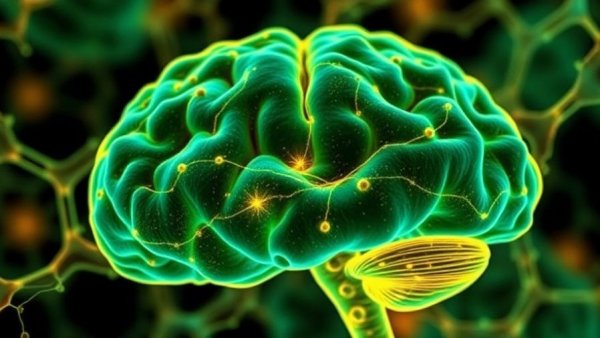
Embarking on the Journey of Understanding Autism's Origins
In an intriguing new study from Cold Spring Harbor Laboratory, researchers have made a breakthrough in unraveling the puzzle of autism’s origins, finding unexpected evidence linking maternal inflammation and placental health to autism-like traits in male mice. This discovery could revolutionize our understanding of autism spectrum disorder (ASD) while opening doors for early intervention strategies.
Why Do Boys Have a Higher Risk of Autism?
Autism is diagnosed more frequently in boys than in girls, a statistic that has puzzled scientists. The recent findings shed light on this discrepancy by revealing that male fetuses are more vulnerable to developmental issues caused by maternal immune activation during pregnancy. Researchers observed that special cells in the placenta, crucial for protecting the fetus from maternal immune responses, were damaged in male fetuses, potentially explaining the heightened risk of developing autism.
Early Signs of Developmental Disruptions
The study tracked the effects of inflammation at various stages of pregnancy, finding that a surge in immune response at around 12.5 days gestation led to a stark contrast in development between male and female embryos. While male embryos exhibited abnormal development, their female counterparts remained unharmed. This crucial finding indicates that signs of autism-related traits might manifest significantly earlier than previously thought, suggesting that pregnancy conditions can critically influence a child's neurodevelopment.
A New Perspective on Placental Health
The role of the placenta extends beyond simply nourishing a developing fetus; it plays a vital role in immune tolerance. Researchers suggest that understanding placental health could be key to realizing how environmental and genetic factors interplay in the development of ASD. The discovery that spongiotrophoblasts, the specialized placental cells, degrade in male fetuses—while remaining intact in females—provides actionable insights that could steer future research in maternal and fetal health.
Moving Forward: Implications for Future Research
This groundbreaking research illustrates the interconnectedness of maternal health, placental function, and neurodevelopment. By focusing on how immune activation impacts placental integrity, researchers can better target preventive measures during pregnancy. Moreover, advances in artificial intelligence (AI) can enhance these efforts by providing predictive analytics for outcomes based on a woman’s health during pregnancy. For instance, AI algorithms could identify at-risk pregnancies by analyzing data patterns from previous cases.
How AI Can Transform Medical Research and Autism Studies
As we delve deeper into the complex causations of autism, the integration of AI into medical diagnostics and treatment strategies promises significant benefits. Applications of AI in drug discovery and predictive modeling can enhance our understanding of genetic markers linked to autism, potentially leading to personalized treatment options. By leveraging AI's capabilities in genomics, researchers can analyze vast data sets to identify biomarkers that may predict autism risk, creating a proactive approach to prevention.
Understanding these connections is essential for healthcare professionals and researchers aiming to improve outcomes for children at risk of developing autism. As we learn more about placental health and its implications for autism, interdisciplinary collaboration among geneticists, obstetricians, and AI specialists will be essential.
To stay informed about the latest advancements in autism research and how technology is reshaping the landscape of medical discovery, it’s crucial for healthcare providers and researchers to engage with ongoing studies and innovations in predictive analytics.










Write A Comment