cropper
update
Ai Pulth
Ai Pulse Health
update
  • Home
  • Categories
    • Better Patient Care
    • New Medical Discoveries
    • Smart Health Tools
    • AI and Ethics
    • Real-Life Success Stories
    • What’s Next in AI Health
November 05.2026
4 Minutes Read

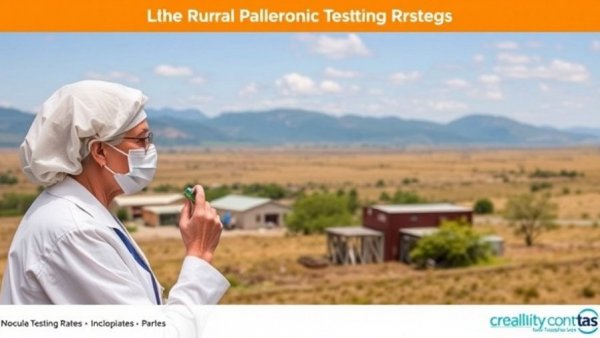
Molecular Testing Rates in Rural NSCLC Patients: Understanding the Challenges and Solutions

Molecular Testing Rates Low in Rural Patients With NSCLC

Understanding the Importance of Molecular Testing

Molecular testing is vital in personalizing treatment for non-small cell lung cancer (NSCLC), especially among older adults. Such tests evaluate the genetic makeup of cancer, guiding healthcare providers in tailoring therapies to individual patient needs. This personalization can be life-saving, enabling the selection of treatments that target specific mutations or characteristics of a patient's cancer. Unfortunately, recent studies show that these important testing rates remain alarmingly low among rural patients, leading to concerns about equity in health access.

The Challenge of Access in Rural Healthcare

Access to modern medical care, including advanced molecular testing, poses significant challenges for many living in rural areas. Factors like long distances to healthcare facilities, fewer specialists, and socioeconomic barriers contribute to this disparity. Patients in these regions are not only at a disadvantage when it comes to receiving timely diagnoses but also miss out on potential breakthroughs in personalized medicine that could drastically improve their outcomes. For many rural patients, traveling significant distances to see an oncologist adds to their physical and emotional burden, impacting their overall health.

Current Trends in Molecular Testing

While advances in healthcare technology have led to improved testing methods, the implementation of these innovations has been inconsistent, particularly in rural areas. A survey conducted among older adults with NSCLC revealed that less than 20% had undergone molecular testing. This poses critical implications for treatment plans and patient outcomes, pushing healthcare providers to rethink their strategies in reaching underserved populations. As the medical community continues to uncover more about the genetic underpinnings of cancer, it becomes imperative that all patients, including those in rural communities, have equal access to these testing options.

Empowering Patients Through Education

Empowering patients with knowledge about their health options is crucial for improving testing rates. Doctors and healthcare providers must prioritize patient education, ensuring that individuals understand the value of molecular testing in their treatment plans. This includes sharing information about the specific benefits of molecular testing, such as increased chances of targeted therapy success and overall survival rates. Simple outreach efforts—including community seminars, informative brochures, and digital health initiatives—can educate patients and caregivers on the benefits of such tests, ultimately leading to better healthcare decisions. By fostering an informed patient community, we can inspire individuals to take an active role in their health management.

The Role of Telemedicine in Molecular Testing

Telemedicine has emerged as a promising solution to enhance access to care for those in rural regions. With video consultations and online health resources, patients can connect with specialists who can advise on molecular testing and personalized care strategies. Telemedicine can bridge the gap between patients and advanced healthcare options, making it easier to access information and services regardless of geographical barriers. For instance, through telehealth platforms, specialists can discuss test results with patients and recommend specific treatments without the patient needing to travel hours, significantly easing both the logistical and emotional strains of care.

Future Directions for Healthcare Innovations

The adoption of AI-driven healthcare solutions holds substantial potential for improving patient care among rural populations. From smart health monitoring to predictive analytics in chronic disease management, these technologies can help identify needing interventions early on. By leveraging data analytics, healthcare providers can track trends in rural health more effectively, leading to more tailored and timely support for patients. Collaborations between tech companies and healthcare providers could lead to innovations that directly influence outcomes, ensuring equitable access to the latest medical advancements. As we move forward, there's also a need for policies that support funding for rural health innovations, thus creating a sustainable environment for continuous improvement.

Addressing Misconceptions and Challenges

One misconception about molecular testing is that it is only reserved for select patients or requires extensive insurance approvals. In reality, many testing options are available and accessible to a wide range of patients, often covered by insurance plans under certain criteria. By challenging these misconceptions and offering easily navigable pathways for testing approvals, healthcare providers can simplify the process and encourage more patients to consider these vital assessments. Additionally, raising awareness can empower patients to advocate for themselves and ask their healthcare providers about molecular testing options during their consultations.

Community and Support Resources

For rural patients facing the battle against NSCLC, community support can play a crucial role. Local cancer support groups can not only provide emotional backing but also share vital resources on molecular testing and treatment options. Furthermore, partnerships between local health organizations and larger cancer research institutions can facilitate mobile clinics or information sessions aimed at educating rural communities about cancer care advancements. Building connections with survivors and caregivers who have navigated similar journeys can also inspire hope and resilience, reminding patients they are not alone in their fight.

Conclusion: A Call for Action

In closing, the concerning low rates of molecular testing among rural patients with NSCLC must catalyze action from all stakeholders in the healthcare field. By adopting technology-driven strategies, increasing patient education, and ensuring broader access to advanced testing options, we can work toward a future where every patient, regardless of their location, receives the personalized care they deserve. Together, let's advocate for better healthcare accessibility, share knowledge with those in need, and make a lasting impact on the lives of countless individuals. Moving forward, all of us—patients, healthcare providers, and policymakers—must collaborate to create a healthcare system where equity prevails, and every patient has the opportunity to thrive.


Better Patient Care

1 Views

0 Comments

Write A Comment

*
*
Please complete the captcha to submit your comment.
Related Posts All Posts
11.05.2026

Unlocking Better Patient Outcomes with the Serratus Anterior Plane Block

Update Understanding the Serratus Anterior Plane Block Minimally invasive cardiac surgery has been evolving rapidly, with techniques becoming more refined to enhance patient outcomes. One such innovation is the use of the serratus anterior plane block (SAPB), which is proving to be a game-changer in acute pain management. By delivering anesthesia directly to the serratus anterior muscle, this technique provides targeted relief in a manner that contrasts sharply with traditional approaches like the erector spinae plane block (ESPB). As surgical methods improve, techniques like SAPB can lead to shorter recovery times, reduced hospital stays, and an overall increase in patient satisfaction. Understanding the Anatomy and Function of SAPB The serratus anterior muscle plays a crucial role in the movement of the shoulder and upper arm. However, its involvement in surgical procedures, especially those related to the thorax, has opened up new avenues for pain relief. The SAPB works by blocking the sensory nerves involved in pain transmission from the rib cage, effectively dulling the discomfort that often follows surgeries, particularly in cardiac cases. This anatomical insight helps healthcare providers understand why the SAPB can enhance pain management and improve patient outcomes, making it an essential technique in modern anesthesia. Why It Matters for Patients For health-conscious individuals and patients undergoing surgery, effective pain management is crucial not just for comfort but also for a smoother recovery. Chronic pain can significantly affect a person's quality of life, leading to anxiety and distress, which can also impede the healing process. Studies have shown that patients who benefit from SAPB report lower pain scores postoperatively compared to those who receive the ESPB. Lower pain levels mean that individuals can focus on their recovery instead of struggling with discomfort. This means that they can experience a more controlled and less distressing recovery period, which can significantly enhance their overall well-being. Comparing Techniques for Better Outcomes The advancements in techniques like SAPB exemplify the ongoing innovations in healthcare aimed at improving patient care and recovery processes. While patients often seek options that minimize discomfort and complications, healthcare professionals are constantly challenged to find solutions that balance efficacy and patient safety. SAPB stands out in this regard, offering a reliable alternative for managing surgical pain with efficacy similar to that of its counterparts. Furthermore, the targeted nature of the SAPB may result in fewer systemic side effects compared to traditional opioid pain management methods, which is an important consideration for patients concerned about medication dependency and adverse reactions. Real-World Implications for Recovery In practice, the benefits of employing SAPB can lead to more successful surgical outcomes. Patients may experience improved mobility, allowing for more comfortable breathing exercises essential after cardiac procedures. This is particularly important for cardiac patients who are often at risk for complications such as pneumonia if they are unable to take deep breaths due to pain. Additionally, effective pain control can extend beyond physical relief; it contributes to lower stress levels and aids in faster rehabilitation. When patients experience less pain, they are more likely to engage in postoperative exercises and therapy, thereby enhancing their recovery trajectory. Addressing Potential Concerns Despite the promising benefits of SAPB, patients and healthcare professionals alike should be aware of potential concerns associated with any medical procedure. It is critical for patients to discuss any underlying health issues with their physicians before undergoing the block, as individual circumstances can affect the suitability and effectiveness of the procedure. Additionally, while SAPB has been shown to have fewer side effects than some traditional pain relief methods, ongoing research is necessary to fully understand all possible outcomes and complications associated with its use. Open dialogue with medical professionals can ensure that patients feel comfortable and informed about their pain management options. Future Directions in Pain Management As healthcare continues to integrate technology and research, the future landscape of pain management looks promising. Increased adoption of innovative blocks like SAPB is just the tip of the iceberg. We might also see the rise of AI in healthcare, enabling more personalized and effective pain management strategies based on individual patient data. Emerging technologies could help tailor treatments specific to a patient's unique needs, considering factors like their medical history, pain tolerance, and even genetic predispositions to pain perception. With a push toward smarter health monitoring technologies and AI-driven insights, healthcare could evolve into a more patient-centered model that is both responsive and effective. This shift could empower patients to receive more tailored and effective pain management solutions, leading to significantly improved surgical recovery experiences. Empowering Patients through Knowledge In an era characterized by patient empowerment, knowledge is just as critical as treatment itself. Gaining insight into pain management options allows patients to engage in more informed discussions with their healthcare providers. Familiarity with effective methods like SAPB not only equips patients with the information they need but also opens avenues for personalized healthcare solutions tailored to their unique circumstances. It empowers patients to ask pertinent questions, voice concerns, and express preferences regarding their treatment plans. For caregivers, understanding these advancements can make a significant difference in how they support their loved ones through recovery, fostering an environment of encouragement and informed decision-making. Moreover, caregivers can act as advocates for their loved ones, ensuring that they receive the most appropriate and effective pain management strategies available. Conclusion: Taking Charge of Your Health Understanding the innovations in pain management, particularly the benefits of the serratus anterior plane block, can inspire patients to take active roles in their healthcare journeys. By integrating these advancements, patients can advocate more effectively for their needs during consultations with their healthcare providers. As we embrace health and wellness updates, leveraging these advancements becomes essential for achieving better patient outcomes. Knowledge is a powerful tool; sharing it with loved ones or medical professionals can spark conversations that lead to improved care strategies. Together, through informed choices and advocacy, individuals can contribute to a future of healthcare that prioritizes comfort and effective pain management for all.

11.05.2026

How Medical Events Are Revolutionizing Digital Health Through Patient Engagement

Update The Transformation of Healthcare through Medical Events In an era where digital health is gaining momentum, medical events play a pivotal role in bringing together patients, healthcare professionals, policymakers, and industry stakeholders. As the landscape of medicine evolves, these events have emerged as critical platforms for sharing innovative ideas, integrating patient perspectives, and enhancing healthcare delivery systems. Why Patient-Centric Design Matters One of the most significant changes in how medical conferences are organized is the focus on patient-centric designs. It’s vital that patient voices are not merely heard but integrated at every level of these events. Organizations are beginning to realize that the most impactful conferences include patients not just as audience members but as speakers, sharing their stories and insights. A notable example is e-Patient Dave, whose advocacy for patient engagement has transformed the discourse at healthcare conferences, showing the profound impact patient involvement can have. Incorporating patient advocates into event planning can enhance the relevance of discussions, ensuring that the topics address real-world patient experiences and needs. By establishing advisory panels of patients, organizers can continually gauge the accessibility and expectations from these events. Building a Lasting Online Presence As digital connectivity becomes paramount, the importance of maintaining an online presence cannot be overstated. Conferences should extend their reach beyond the physical event through the use of social media platforms and digital forums. Tools such as Twitter Spaces or LinkedIn Live can keep the conversation going during breaks, allowing participants to engage in real-time discussions about the latest innovations and applications in healthcare. Furthermore, dedicated platforms like Discord can facilitate ongoing dialogues categorized by specific interests, thereby fostering a collaborative environment. Post-event webinars can also create opportunities for attendees to engage further with the content delivered at the conference. Leveraging Technology Wisely While technology can enhance engagement through exciting tools like augmented and virtual reality, it is essential to strike a balance. The primary focus should remain on the content being presented, as overwhelming attendees with excessive technology can detract from the overall experience. Instead, organizers should utilize technologies that complement the event without overshadowing the core discussions about AI healthcare solutions, patient engagement tools, and overall healthcare innovation. Current Trends Shaping the Future of Patient Care As digital health tools continue to develop, conference organizers must stay ahead by embracing trends such as predictive analytics in healthcare, remote patient monitoring, and AI-driven diagnostics. The integration of smart health technologies into medical events showcases the potential for better outcomes in patient care through AI-enhanced interactions. These elements not only reflect the current trajectory of healthcare but also highlight the urgent need for transformation within medical practice. Making Informed Decisions with Event Insights Medical conferences provide attendees with actionable insights that they can implement in their practices. By discussing the latest advancements in AI in healthcare delivery and how these innovations can enhance patient satisfaction, participants can develop a clear understanding of where the industry is heading. This knowledge translates into improved clinical decision-making and personalized medicine tailored to the unique needs of patients. Conclusion: Embracing Change in Healthcare As we journey further into the digital health revolution, the role of medical events cannot be underestimated. By focusing on patient engagement, leveraging technology wisely, and maintaining a continuous online dialogue, health professionals can utilize these gatherings to become agents of change in the industry. It is essential for all stakeholders to embrace this evolution towards a more integrated, patient-centered healthcare experience. Let’s move forward together and prioritize the patient in our discussions and innovations.

11.05.2026

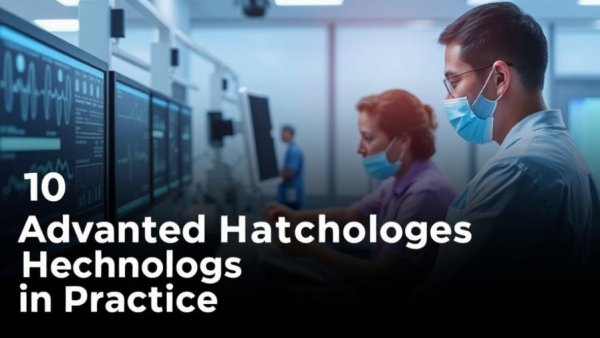
Discover 10 Advanced Healthcare Technologies Enhancing Patient Care

Update Redefining Healthcare: The Role of Technology in Patient Care Over the years, the healthcare industry has been undergoing a monumental transformation, fueled by innovations that promise to redefine standard practices in ways that were once the stuff of science fiction. Advanced healthcare technologies are no longer abstract ideas; they are practical tools that forward-thinking healthcare professionals can use to enhance patient care, making the patient experience more personalized and effective. Wearable Ultrasound: A Game Changer for Diagnosis Imagine receiving real-time diagnostic information while on the go. The introduction of wearable ultrasound has made this a reality. The innovative design by Sonologi allows for continuous monitoring of patient health, especially cardiovascular conditions. Clinicians can now access imaging data as patients wear the device, fostering proactive and timely medical decisions. This shift towards AI in patient care represents a significant leap in how we perceive diagnostics, allowing healthcare providers to track health metrics around the clock. Enhancing Safety and Efficiency with Exoskeleton Technology As healthcare professionals often face physically daunting tasks, German Bionic's Apogee+ exoskeleton has emerged as an intelligent solution to help alleviate the workload. The technology assists staff in lifting patients and reduces fatigue, thus mitigating injury risks. This revolutionary system boosts operational efficiency by empowering healthcare workers to perform their duties with improved safety and strength. In an era of increasing staff shortages, such innovations pave the way for better patient-centered care. The Power of Virtual Reality in Healing Virtual Reality (VR) is breaking ground within healthcare settings, proving particularly beneficial in intensive care units (ICUs). With its ability to transport patients mentally away from the hospital environment, VR creates calming experiences that can ease the trauma of hospital stays. For instance, UF Health Shands Hospital has implemented virtual tours of serene landscapes, helping patients recover psychologically while dealing with physical ailments. Such practices echo the importance of enhancing the patient experience through innovative digital health tools. Mixed Reality's Impact on Surgical Precision Mixed Reality (MR) is gaining traction as a transformative tool in surgical environments. By allowing surgeons to overlay digital images onto their field of view during operations, MR enables more precise interventions. Applications developed by organizations like apoQlar facilitate the engagement of both medical staff and students, enriching educational processes and enhancing outcomes in complex surgeries. The infusion of such smart health technologies is a testament to the healthcare transformation we currently witness. AI in Patient Care: Transforming Diagnostics and Engagement The role of artificial intelligence in healthcare continues to expand ambitiously. AI-powered diagnostics are reshaping how conditions are detected and treated, fostering greater accuracy and speed. Furthermore, predictive analytics in healthcare empowers professionals to anticipate patient needs, facilitating proactive care that aligns with personalized medicine principles. As healthcare shifts from reactive to proactive strategies, the integration of AI not only enhances outcomes but also improves patient engagement. The Future is Here: Embracing Advanced Technologies With the rapid evolution of healthcare technologies, professionals must remain informed about emerging tools that can enhance their practices. The integration of AI-driven patient care solutions, smart health technologies, and digital health tools is not merely a trend; it is the future of healthcare. As we explore the challenges and opportunities that lie ahead, being equipped with knowledge on these innovative tools will be essential for professionals aiming to deliver quality patient care. For healthcare professionals eager to stay ahead in this transforming landscape, it’s crucial to embrace the advancements shaping our industry today. Get involved, seek out training opportunities, and engage with these technologies to better serve your patients.

Ai Pulse Health
UPDATE
  • update
  • update
  • update
  • update
  • update
  • update
  • update

ABOUT US

AI Pulse Health delivers the latest news and insights on how AI is transforming healthcare, from medical advancements to wellness tools and patient care innovations.

© 2026 Ai Pulse Health All Rights Reserved. Harp Island Close, London, Brent NW100DF . Contact Us . Terms of Service . Privacy Policy

eyJjb21wYW55IjoiQWkgUHVsc2UgSGVhbHRoIiwiYWRkcmVzcyI6IkhhcnAgSXNsYW5kIENsb3NlIiwiY2l0eSI6IkxvbmRvbiIsInN0YXRlIjoiQnJlbnQiLCJ6aXAiOiJOVzEwMERGIiwiZW1haWwiOiJsb3JlbmFzQGdldG1pbGVyaXNtYXJrZXRpbmcuY29tIiwidG9zIjoiUEhBK1BITjBjbTl1Wno0OFpXMCtWMmhsYmlCNWIzVWdjMmxuYmkxcGJpQjNhWFJvSUhWekxDQjViM1VnWVhKbElHZHBkbWx1WnladVluTndPeUI1YjNWeUlIQmxjbTFwYzNOcGIyNGdZVzVrSUdOdmJuTmxiblFnZEc4Z2MyVnVaQ0I1YjNVZ1pXMWhhV3dnWVc1a0wyOXlJRk5OVXlCMFpYaDBJRzFsYzNOaFoyVnpMaUJDZVNCamFHVmphMmx1WnlCMGFHVWdWR1Z5YlhNZ1lXNWtJRU52Ym1ScGRHbHZibk1nWW05NElHRnVaQ0JpZVNCemFXZHVhVzVuSUdsdUlIbHZkU0JoZFhSdmJXRjBhV05oYkd4NUlHTnZibVpwY20wZ2RHaGhkQ0I1YjNVZ1lXTmpaWEIwSUdGc2JDQjBaWEp0Y3lCcGJpQjBhR2x6SUdGbmNtVmxiV1Z1ZEM0OEwyVnRQand2YzNSeWIyNW5Qand2Y0Q0S0NqeHdQanhoSUdoeVpXWTlJbWgwZEhBNkx5OTNkM2N1WjI5dloyeGxMbU52YlNJK2FIUjBjRG92TDNkM2R5NW5iMjluYkdVdVkyOXRQQzloUGp3dmNENEtDanh3UGladVluTndPend2Y0Q0S0NqeHdQanh6ZEhKdmJtYytVMFZTVmtsRFJUd3ZjM1J5YjI1blBqd3ZjRDRLQ2p4d1BsZGxJSEJ5YjNacFpHVWdZU0J6WlhKMmFXTmxJSFJvWVhRZ1kzVnljbVZ1ZEd4NUlHRnNiRzkzY3lCNWIzVWdkRzhnY21WalpXbDJaU0J5WlhGMVpYTjBjeUJtYjNJZ1ptVmxaR0poWTJzc0lHTnZiWEJoYm5rZ2FXNW1iM0p0WVhScGIyNHNJSEJ5YjIxdmRHbHZibUZzSUdsdVptOXliV0YwYVc5dUxDQmpiMjF3WVc1NUlHRnNaWEowY3l3Z1kyOTFjRzl1Y3l3Z1pHbHpZMjkxYm5SeklHRnVaQ0J2ZEdobGNpQnViM1JwWm1sallYUnBiMjV6SUhSdklIbHZkWElnWlcxaGFXd2dZV1JrY21WemN5QmhibVF2YjNJZ1kyVnNiSFZzWVhJZ2NHaHZibVVnYjNJZ1pHVjJhV05sTGlCWmIzVWdkVzVrWlhKemRHRnVaQ0JoYm1RZ1lXZHlaV1VnZEdoaGRDQjBhR1VnVTJWeWRtbGpaU0JwY3lCd2NtOTJhV1JsWkNBbWNYVnZkRHRCVXkxSlV5WnhkVzkwT3lCaGJtUWdkR2hoZENCM1pTQmhjM04xYldVZ2JtOGdjbVZ6Y0c5dWMybGlhV3hwZEhrZ1ptOXlJSFJvWlNCMGFXMWxiR2x1WlhOekxDQmtaV3hsZEdsdmJpd2diV2x6TFdSbGJHbDJaWEo1SUc5eUlHWmhhV3gxY21VZ2RHOGdjM1J2Y21VZ1lXNTVJSFZ6WlhJZ1kyOXRiWFZ1YVdOaGRHbHZibk1nYjNJZ2NHVnljMjl1WVd4cGVtRjBhVzl1SUhObGRIUnBibWR6TGp3dmNENEtDanh3UGxsdmRTQmhjbVVnY21WemNHOXVjMmxpYkdVZ1ptOXlJRzlpZEdGcGJtbHVaeUJoWTJObGMzTWdkRzhnZEdobElGTmxjblpwWTJVc0lHRnVaQ0IwYUdGMElHRmpZMlZ6Y3lCdFlYa2dhVzUyYjJ4MlpTQjBhR2x5WkMxd1lYSjBlU0JtWldWeklDaHpkV05vSUdGeklGTk5VeUIwWlhoMElHMWxjM05oWjJWekxDQkpiblJsY201bGRDQnpaWEoyYVdObElIQnliM1pwWkdWeUlHOXlJR05sYkd4MWJHRnlJR0ZwY25ScGJXVWdZMmhoY21kbGN5a3VJRmx2ZFNCaGNtVWdjbVZ6Y0c5dWMybGliR1VnWm05eUlIUm9iM05sSUdabFpYTXNJR2x1WTJ4MVpHbHVaeUIwYUc5elpTQm1aV1Z6SUdGemMyOWphV0YwWldRZ2QybDBhQ0IwYUdVZ1pHbHpjR3hoZVNCdmNpQmtaV3hwZG1WeWVTQnZaaUJsWVdOb0lGTk5VeUIwWlhoMElHMWxjM05oWjJVZ2QyVWdjMlZ1WkNCMGJ5QjViM1V1SUVsdUlHRmtaR2wwYVc5dUxDQjViM1VnYlhWemRDQndjbTkyYVdSbElHRnVaQ0JoY21VZ2NtVnpjRzl1YzJsaWJHVWdabTl5SUdGc2JDQmxjWFZwY0cxbGJuUWdibVZqWlhOellYSjVJSFJ2SUdGalkyVnpjeUIwYUdVZ1UyVnlkbWxqWlNCaGJtUWdjbVZqWldsMlpTQjBhR1VnVTAxVElIUmxlSFFnYldWemMyRm5aWE11SUZkbElHUnZJRzV2ZENCamFHRnlaMlVnWVc1NUlHWmxaWE1nWm05eUlIUm9aU0JrWld4cGRtVnllU0J2WmlCbGJXRnBiQ0J2Y2lCVFRWTXVJRlJvYVhNZ2FYTWdZU0JtY21WbElITmxjblpwWTJVZ2QyVWdjSEp2ZG1sa1pTNGdTRzkzWlhabGNpd2djR3hsWVhObElHTm9aV05ySUhkcGRHZ2dlVzkxY2lCcGJuUmxjbTVsZENCelpYSjJhV05sSUhCeWIzWnBaR1Z5SUdGdVpDQmpaV3hzZFd4aGNpQmpZWEp5YVdWeUlHWnZjaUJoYm5rZ1kyaGhjbWRsY3lCMGFHRjBJSGx2ZFNCdFlYa2dhVzVqZFhJZ1lYTWdZU0J5WlhOMWJIUWdiMllnY21WalpXbDJhVzVuSUdWdFlXbHNJR0Z1WkNCVFRWTWdkR1Y0ZENCdFpYTnpZV2RsY3lCMGFHRjBJSGRsSUdSbGJHbDJaWElnZFhCdmJpQjViM1Z5SUc5d2RDMXBiaUJoYm1RZ2NtVm5hWE4wY21GMGFXOXVJSGRwZEdnZ2IzVnlJR1Z0WVdsc0lHRnVaQ0JUVFZNZ2MyVnlkbWxqWlhNdUlGbHZkU0JqWVc0Z1kyRnVZMlZzSUdGMElHRnVlU0IwYVcxbExpQktkWE4wSUhSbGVIUWdKbkYxYjNRN1UxUlBVQ1p4ZFc5ME95QjBieVp1WW5Od096eG9hV2RvYkdsbmFIUWdZMnhoYzNNOUltTnZiWEJoYm5sVFRWTlFhRzl1WlZWd1pHRjBaU0krYm5Wc2JEd3ZhR2xuYUd4cFoyaDBQaTRnUVdaMFpYSWdlVzkxSUhObGJtUWdkR2hsSUZOTlV5QnRaWE56WVdkbElDWnhkVzkwTzFOVVQxQW1jWFZ2ZERzZ2RHOGdkWE1zSUhkbElIZHBiR3dnYzJWdVpDQjViM1VnWVc0Z1UwMVRJRzFsYzNOaFoyVWdkRzhnWTI5dVptbHliU0IwYUdGMElIbHZkU0JvWVhabElHSmxaVzRnZFc1emRXSnpZM0pwWW1Wa0xpQkJablJsY2lCMGFHbHpMQ0I1YjNVZ2QybHNiQ0J1YnlCc2IyNW5aWElnY21WalpXbDJaU0JUVFZNZ2JXVnpjMkZuWlhNZ1puSnZiU0IxY3k0OEwzQStDZ284Y0Q0OGMzUnliMjVuUGxsUFZWSWdVa1ZIU1ZOVVVrRlVTVTlPSUU5Q1RFbEhRVlJKVDA1VFBDOXpkSEp2Ym1jK1BDOXdQZ29LUEhBK1NXNGdZMjl1YzJsa1pYSmhkR2x2YmlCdlppQjViM1Z5SUhWelpTQnZaaUIwYUdVZ1UyVnlkbWxqWlN3Z2VXOTFJR0ZuY21WbElIUnZPand2Y0Q0S0NqeHZiRDRLQ1R4c2FUNXdjbTkyYVdSbElIUnlkV1VzSUdGalkzVnlZWFJsTENCamRYSnlaVzUwSUdGdVpDQmpiMjF3YkdWMFpTQnBibVp2Y20xaGRHbHZiaUJoWW05MWRDQjViM1Z5YzJWc1ppQmhjeUJ3Y205dGNIUmxaQ0JpZVNCMGFHVWdVMlZ5ZG1salpTWWpNems3Y3lCeVpXZHBjM1J5WVhScGIyNGdabTl5YlNBb2MzVmphQ0JwYm1admNtMWhkR2x2YmlCaVpXbHVaeUIwYUdVZ0puRjFiM1E3VW1WbmFYTjBjbUYwYVc5dUlFUmhkR0VtY1hWdmREc3BJR0Z1WkR3dmJHaytDZ2s4YkdrK2JXRnBiblJoYVc0Z1lXNWtJSEJ5YjIxd2RHeDVJSFZ3WkdGMFpTQjBhR1VnVW1WbmFYTjBjbUYwYVc5dUlFUmhkR0VnZEc4Z2EyVmxjQ0JwZENCMGNuVmxMQ0JoWTJOMWNtRjBaU3dnWTNWeWNtVnVkQ0JoYm1RZ1kyOXRjR3hsZEdVdUlFbG1JSGx2ZFNCd2NtOTJhV1JsSUdGdWVTQnBibVp2Y20xaGRHbHZiaUIwYUdGMElHbHpJSFZ1ZEhKMVpTd2dhVzVoWTJOMWNtRjBaU3dnYm05MElHTjFjbkpsYm5RZ2IzSWdhVzVqYjIxd2JHVjBaU3dnYjNJZ2QyVWdhR0YyWlNCeVpXRnpiMjVoWW14bElHZHliM1Z1WkhNZ2RHOGdjM1Z6Y0dWamRDQjBhR0YwSUhOMVkyZ2dhVzVtYjNKdFlYUnBiMjRnYVhNZ2RXNTBjblZsTENCcGJtRmpZM1Z5WVhSbExDQnViM1FnWTNWeWNtVnVkQ0J2Y2lCcGJtTnZiWEJzWlhSbExDQjNaU0JvWVhabElIUm9aU0J5YVdkb2RDQjBieUJ6ZFhOd1pXNWtJRzl5SUR4emRISnZibWMrUEhOd1lXNGdjM1I1YkdVOUltTnZiRzl5T2lOR1JqQXdNREE3SWo1MFpYSnRhVzVoZEdVZ2VXOTFjaUJoWTJOdmRXNTBMM0J5YjJacGJHVWdZVzVrSUhKbFpuVnpaU0JoYm5rZ1lXNWtJR0ZzYkNCamRYSnlaVzUwSUc5eUlHWjFkSFZ5WlNCMWMyVWdiMllnZEdobElGTmxjblpwWTJVZ0tHOXlJR0Z1ZVNCd2IzSjBhVzl1SUhSb1pYSmxiMllwTGp3dmMzQmhiajQ4TDNOMGNtOXVaejQ4TDJ4cFBnbzhMMjlzUGdvS1BIQStKbTVpYzNBN1BDOXdQZ284YUdsbmFHeHBaMmgwSUdOc1lYTnpQU0pqYjIxd1lXNTVUbUZ0WlZWd1pHRjBaU0krUVdrZ1VIVnNjMlVnU0dWaGJIUm9QQzlvYVdkb2JHbG5hSFErUEdKeUlDOCtDanhvYVdkb2JHbG5hSFFnWTJ4aGMzTTlJbU52YlhCaGJubEJaR1J5WlhOelZYQmtZWFJsSWo1SVlYSndJRWx6YkdGdVpDQkRiRzl6WlN3Z1RHOXVaRzl1TENCQ2NtVnVkQ0JPVnpFd01FUkdQQzlvYVdkb2JHbG5hSFErUEdKeUlDOCtDanhvYVdkb2JHbG5hSFFnWTJ4aGMzTTlJbU52YlhCaGJubFFhRzl1WlZWd1pHRjBaU0krS3pRME56ZzFOalUxTURBek5Ud3ZhR2xuYUd4cFoyaDBQanhpY2lBdlBnbzhhR2xuYUd4cFoyaDBJR05zWVhOelBTSmpiMjF3WVc1NVJXMWhhV3hWY0dSaGRHVWlQbXh2Y21WdVlYTkFaMlYwYldsc1pYSnBjMjFoY210bGRHbHVaeTVqYjIwOEwyaHBaMmhzYVdkb2REND0iLCJwcml2YWN5IjoiUEhBK1BITjBjbTl1Wno1UVVrbFdRVU5aUEM5emRISnZibWMrUEM5d1Bnb0tQSEErUEhOMGNtOXVaejVVYUdVZ2FXNW1iM0p0WVhScGIyNGdjSEp2ZG1sa1pXUWdaSFZ5YVc1bklIUm9hWE1nY21WbmFYTjBjbUYwYVc5dUlHbHpJR3RsY0hRZ2NISnBkbUYwWlNCaGJtUWdZMjl1Wm1sa1pXNTBhV0ZzTENCaGJtUWdkMmxzYkNCdVpYWmxjaUJpWlNCa2FYTjBjbWxpZFhSbFpDd2dZMjl3YVdWa0xDQnpiMnhrTENCMGNtRmtaV1FnYjNJZ2NHOXpkR1ZrSUdsdUlHRnVlU0IzWVhrc0lITm9ZWEJsSUc5eUlHWnZjbTB1SUZSb2FYTWdhWE1nYjNWeUlHZDFZWEpoYm5SbFpTNDhMM04wY205dVp6NDhMM0ErQ2dvOGNENDhjM1J5YjI1blBrbE9SRVZOVGtsVVdUd3ZjM1J5YjI1blBqd3ZjRDRLQ2p4d1BqeGxiVDVaYjNVZ1lXZHlaV1VnZEc4Z2FXNWtaVzF1YVdaNUlHRnVaQ0JvYjJ4a0lIVnpMQ0JoYm1RZ2FYUnpJSE4xWW5OcFpHbGhjbWxsY3l3Z1lXWm1hV3hwWVhSbGN5d2diMlptYVdObGNuTXNJR0ZuWlc1MGN5d2dZMjh0WW5KaGJtUmxjbk1nYjNJZ2IzUm9aWElnY0dGeWRHNWxjbk1zSUdGdVpDQmxiWEJzYjNsbFpYTXNJR2hoY20xc1pYTnpJR1p5YjIwZ1lXNTVJR05zWVdsdElHOXlJR1JsYldGdVpDd2dhVzVqYkhWa2FXNW5JSEpsWVhOdmJtRmliR1VnWVhSMGIzSnVaWGx6SmlNek9Uc2dabVZsY3l3Z2JXRmtaU0JpZVNCaGJua2dkR2hwY21RZ2NHRnlkSGtnWkhWbElIUnZJRzl5SUdGeWFYTnBibWNnYjNWMElHOW1JRU52Ym5SbGJuUWdlVzkxSUhKbFkyVnBkbVVzSUhOMVltMXBkQ3dnY21Wd2JIa3NJSEJ2YzNRc0lIUnlZVzV6YldsMElHOXlJRzFoYTJVZ1lYWmhhV3hoWW14bElIUm9jbTkxWjJnZ2RHaGxJRk5sY25acFkyVXNJSGx2ZFhJZ2RYTmxJRzltSUhSb1pTQlRaWEoyYVdObExDQjViM1Z5SUdOdmJtNWxZM1JwYjI0Z2RHOGdkR2hsSUZObGNuWnBZMlVzSUhsdmRYSWdkbWx2YkdGMGFXOXVJRzltSUhSb1pTQlVUMU1zSUc5eUlIbHZkWElnZG1sdmJHRjBhVzl1SUc5bUlHRnVlU0J5YVdkb2RITWdiMllnWVc1dmRHaGxjaTQ4TDJWdFBqd3ZjRDRLQ2p4d1BqeHpkSEp2Ym1jK1JFbFRRMHhCU1UxRlVpQlBSaUJYUVZKU1FVNVVTVVZUUEM5emRISnZibWMrUEM5d1Bnb0tQSEErUEhOMGNtOXVaejVaVDFVZ1JWaFFVa1ZUVTB4WklGVk9SRVZTVTFSQlRrUWdRVTVFSUVGSFVrVkZJRlJJUVZRNlBDOXpkSEp2Ym1jK1BDOXdQZ29LUEc5c1Bnb0pQR3hwUGxsUFZWSWdWVk5GSUU5R0lGUklSU0JUUlZKV1NVTkZJRWxUSUVGVUlGbFBWVklnVTA5TVJTQlNTVk5MTGlCVVNFVWdVMFZTVmtsRFJTQkpVeUJRVWs5V1NVUkZSQ0JQVGlCQlRpQW1jWFZ2ZER0QlV5QkpVeVp4ZFc5ME95QkJUa1FnSm5GMWIzUTdRVk1nUVZaQlNVeEJRa3hGSm5GMWIzUTdJRUpCVTBsVExpQXNMaUJCVGtRZ1ZWTXNJRWxVSmlNek9UdFRJRU5WVTFSUFRVVlNVeXdnUlZoUVVrVlRVMHhaSUVSSlUwTk1RVWxOVXlCQlRFd2dWMEZTVWtGT1ZFbEZVeUJQUmlCQlRsa2dTMGxPUkN3Z1YwaEZWRWhGVWlCRldGQlNSVk5USUU5U0lFbE5VRXhKUlVRc0lFbE9RMHhWUkVsT1J5d2dRbFZVSUU1UFZDQk1TVTFKVkVWRUlGUlBJRlJJUlNCSlRWQk1TVVZFSUZkQlVsSkJUbFJKUlZNZ1QwWWdUVVZTUTBoQlRsUkJRa2xNU1ZSWkxDQkdTVlJPUlZOVElFWlBVaUJCSUZCQlVsUkpRMVZNUVZJZ1VGVlNVRTlUUlNCQlRrUWdUazlPTFVsT1JsSkpUa2RGVFVWT1ZDNDhMMnhwUGdvSlBHeHBQazFCUzBWVElFNVBJRmRCVWxKQlRsUlpJRlJJUVZRZ0tHa3BJRlJJUlNCVFJWSldTVU5GSUZkSlRFd2dUVVZGVkNCWlQxVlNJRkpGVVZWSlVrVk5SVTVVVXl3Z0tHbHBLU0JVU0VVZ1UwVlNWa2xEUlNCWFNVeE1JRUpGSUZWT1NVNVVSVkpTVlZCVVJVUXNJRlJKVFVWTVdTd2dVMFZEVlZKRkxDQlBVaUJGVWxKUFVpMUdVa1ZGTENBb2FXbHBLU0JVU0VVZ1VrVlRWVXhVVXlCVVNFRlVJRTFCV1NCQ1JTQlBRbFJCU1U1RlJDQkdVazlOSUZSSVJTQlZVMFVnVDBZZ1ZFaEZJRk5GVWxaSlEwVWdWMGxNVENCQ1JTQkJRME5WVWtGVVJTQlBVaUJTUlV4SlFVSk1SU3dnUVU1RUlDaHBkaWtnUVU1WklFVlNVazlTVXlCSlRpQlVTRVVnVTA5R1ZGZEJVa1VnVjBsTVRDQkNSU0JEVDFKU1JVTlVSVVF1UEM5c2FUNEtDVHhzYVQ1QlRsa2dUVUZVUlZKSlFVd2dSRTlYVGt4UFFVUkZSQ0JQVWlCUFZFaEZVbGRKVTBVZ1QwSlVRVWxPUlVRZ1ZFaFNUMVZIU0NCVVNFVWdWVk5GSUU5R0lGUklSU0JUUlZKV1NVTkZJRWxUSUVSUFRrVWdRVlFnV1U5VlVpQlBWMDRnUkVsVFExSkZWRWxQVGlCQlRrUWdVa2xUU3lCQlRrUWdWRWhCVkNCWlQxVWdWMGxNVENCQ1JTQlRUMHhGVEZrZ1VrVlRVRTlPVTBsQ1RFVWdSazlTSUVGT1dTQkVRVTFCUjBVZ1ZFOGdXVTlWVWlCRFQwMVFWVlJGVWlCVFdWTlVSVTBnVDFJZ1RFOVRVeUJQUmlCRVFWUkJJRlJJUVZRZ1VrVlRWVXhVVXlCR1VrOU5JRlJJUlNCRVQxZE9URTlCUkNCUFJpQkJUbGtnVTFWRFNDQk5RVlJGVWtsQlRDNDhMMnhwUGdvSlBHeHBQazVQSUVGRVZrbERSU0JQVWlCSlRrWlBVazFCVkVsUFRpd2dWMGhGVkVoRlVpQlBVa0ZNSUU5U0lGZFNTVlJVUlU0c0lFOUNWRUZKVGtWRUlFSlpJRmxQVlNCR1VrOU5JRTlTSUZSSVVrOVZSMGdnVDFJZ1JsSlBUU0JVU0VVZ1UwVlNWa2xEUlNCVFNFRk1UQ0JEVWtWQlZFVWdRVTVaSUZkQlVsSkJUbFJaSUU1UFZDQkZXRkJTUlZOVFRGa2dVMVJCVkVWRUlFbE9JRlJJUlNCVVQxTXVQQzlzYVQ0S1BDOXZiRDRLQ2p4d1BqeHpkSEp2Ym1jK1RFbE5TVlJCVkVsUFRpQlBSaUJNU1VGQ1NVeEpWRms4TDNOMGNtOXVaejQ4TDNBK0NnbzhjRDVaVDFVZ1JWaFFVa1ZUVTB4WklGVk9SRVZTVTFSQlRrUWdRVTVFSUVGSFVrVkZJRlJJUVZRZ1FVNUVJRk5JUVV4TUlFNVBWQ0JDUlNCTVNVRkNURVVnUms5U0lFRk9XU0JFU1ZKRlExUXNJRWxPUkVsU1JVTlVMQ0JKVGtOSlJFVk9WRUZNTENCVFVFVkRTVUZNTENCRFQwNVRSVkZWUlU1VVNVRk1JRTlTSUVWWVJVMVFURUZTV1NCRVFVMUJSMFZUTENCSlRrTk1WVVJKVGtjZ1FsVlVJRTVQVkNCTVNVMUpWRVZFSUZSUExDQkVRVTFCUjBWVElFWlBVaUJNVDFOVElFOUdJRkJTVDBaSlZGTXNJRWRQVDBSWFNVeE1MQ0JWVTBVc0lFUkJWRUVnVDFJZ1QxUklSVklnU1U1VVFVNUhTVUpNUlNCTVQxTlRSVk1nS0VWV1JVNGdTVVlnU0VGVElFSkZSVTRnUVVSV1NWTkZSQ0JQUmlCVVNFVWdVRTlUVTBsQ1NVeEpWRmtnVDBZZ1UxVkRTQ0JFUVUxQlIwVlRLU3dnVWtWVFZVeFVTVTVISUVaU1QwMDZQQzl3UGdvS1BHOXNQZ29KUEd4cFBsUklSU0JWVTBVZ1QxSWdWRWhGSUVsT1FVSkpURWxVV1NCVVR5QlZVMFVnVkVoRklGTkZVbFpKUTBVN1BDOXNhVDRLQ1R4c2FUNVVTRVVnUTA5VFZDQlBSaUJRVWs5RFZWSkZUVVZPVkNCUFJpQlRWVUpUVkVsVVZWUkZJRWRQVDBSVElFRk9SQ0JUUlZKV1NVTkZVeUJTUlZOVlRGUkpUa2NnUmxKUFRTQkJUbGtnUjA5UFJGTXNJRVJCVkVFc0lFbE9SazlTVFVGVVNVOU9JRTlTSUZORlVsWkpRMFZUSUZCVlVrTklRVk5GUkNCUFVpQlBRbFJCU1U1RlJDQlBVaUJOUlZOVFFVZEZVeUJTUlVORlNWWkZSQ0JQVWlCVVVrRk9VMEZEVkVsUFRsTWdSVTVVUlZKRlJDQkpUbFJQSUZSSVVrOVZSMGdnVDFJZ1JsSlBUU0JVU0VVZ1UwVlNWa2xEUlRzOEwyeHBQZ29KUEd4cFBsVk9RVlZVU0U5U1NWcEZSQ0JCUTBORlUxTWdWRThnVDFJZ1FVeFVSVkpCVkVsUFRpQlBSaUJaVDFWU0lGUlNRVTVUVFVsVFUwbFBUbE1nVDFJZ1JFRlVRVHM4TDJ4cFBnb0pQR3hwUGxOVVFWUkZUVVZPVkZNZ1QxSWdRMDlPUkZWRFZDQlBSaUJCVGxrZ1ZFaEpVa1FnVUVGU1ZGa2dUMDRnVkVoRklGTkZVbFpKUTBVN0lFOVNQQzlzYVQ0S0NUeHNhVDVCVGxrZ1QxUklSVklnVFVGVVZFVlNJRkpGVEVGVVNVNUhJRlJQSUZSSVJTQlRSVkpXU1VORkxqd3ZiR2srQ2p3dmIydytDZ284Y0Q0OGRUNUNlU0J5WldkcGMzUmxjbWx1WnlCaGJtUWdjM1ZpYzJOeWFXSnBibWNnZEc4Z2IzVnlJR1Z0WVdsc0lHRnVaQ0JUVFZNZ2MyVnlkbWxqWlN3Z1lua2diM0IwTFdsdUxDQnZibXhwYm1VZ2NtVm5hWE4wY21GMGFXOXVJRzl5SUdKNUlHWnBiR3hwYm1jZ2IzVjBJR0VnWTJGeVpDd2dKbkYxYjNRN2VXOTFJR0ZuY21WbElIUnZJSFJvWlhObElGUkZVazFUSUU5R0lGTkZVbFpKUTBVbWNYVnZkRHNnWVc1a0lIbHZkU0JoWTJ0dWIzZHNaV1JuWlNCaGJtUWdkVzVrWlhKemRHRnVaQ0IwYUdVZ1lXSnZkbVVnZEdWeWJYTWdiMllnYzJWeWRtbGpaU0J2ZFhSc2FXNWxaQ0JoYm1RZ1pHVjBZV2xzWldRZ1ptOXlJSGx2ZFNCMGIyUmhlUzQ4TDNVK1BDOXdQZ29LUEhBK0ptNWljM0E3UEM5d1BnbzhhR2xuYUd4cFoyaDBJR05zWVhOelBTSmpiMjF3WVc1NVRtRnRaVlZ3WkdGMFpTSStRV2tnVUhWc2MyVWdTR1ZoYkhSb1BDOW9hV2RvYkdsbmFIUStQR0p5SUM4K0NqeG9hV2RvYkdsbmFIUWdZMnhoYzNNOUltTnZiWEJoYm5sQlpHUnlaWE56VlhCa1lYUmxJajVJWVhKd0lFbHpiR0Z1WkNCRGJHOXpaU3dnVEc5dVpHOXVMQ0JDY21WdWRDQk9WekV3TUVSR1BDOW9hV2RvYkdsbmFIUStQR0p5SUM4K0NqeG9hV2RvYkdsbmFIUWdZMnhoYzNNOUltTnZiWEJoYm5sUWFHOXVaVlZ3WkdGMFpTSStLelEwTnpnMU5qVTFNREF6TlR3dmFHbG5hR3hwWjJoMFBqeGljaUF2UGdvOGFHbG5hR3hwWjJoMElHTnNZWE56UFNKamIyMXdZVzU1UlcxaGFXeFZjR1JoZEdVaVBteHZjbVZ1WVhOQVoyVjBiV2xzWlhKcGMyMWhjbXRsZEdsdVp5NWpiMjA4TDJocFoyaHNhV2RvZEQ0PSJ9

Terms of Service

Privacy Policy

Core Modal Title

Sorry, no results found

You Might Find These Articles Interesting

T
Please Check Your Email
We Will Be Following Up Shortly
*
*
*