


The Exciting Potential of Diranersen in Early Alzheimer’s Disease
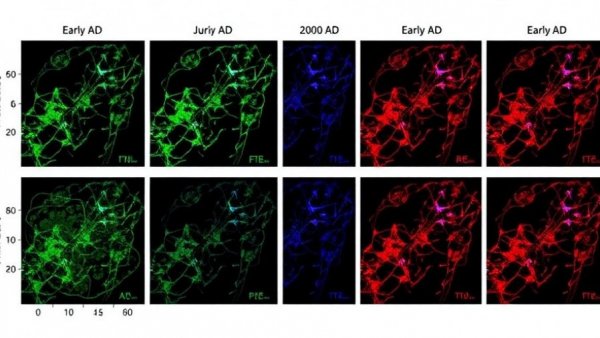
Recent Phase 2 clinical trial data reveals promising insights for diranersen, a tau-targeting agent demonstrating increasing cognitive benefits over 96 weeks for patients in the early stages of Alzheimer’s disease. This drug aims to address the complex pathways that contribute to cognitive decline, providing hope and a possible lifeline to many affected individuals and their families. As awareness grows around the challenges posed by Alzheimer’s, innovative therapies like diranersen offer a glimmer of hope for families navigating this tumultuous journey alongside their loved ones.
Understanding Tau-Targeting Agents
Tau-targeting agents are designed to address the tau protein tangles in the brains of Alzheimer’s patients, a hallmark of the disease that is intricately linked to neuronal damage and cognitive decline. These tau tangles disrupt communication between nerve cells, leading to the symptoms associated with Alzheimer’s. By focusing on this specific protein, tau-targeting drugs represent an innovative approach to combating one of the root causes of the disease. The mechanism of action for diranersen involves reducing levels of toxic tau species, which can possibly reverse some cognitive decline associated with the disease and improve quality of life for patients.
The Importance of Longer Trials
While the initial findings are encouraging, the necessity of larger clinical trials cannot be overstated. These trials will help confirm the efficacy and safety of diranersen in diverse populations, ultimately leading to more reliable insights into its benefits. Such comprehensive studies will play a crucial role in establishing treatment regimens that enhance patient outcomes and foster personalized healthcare strategies. Larger trials can also consider factors such as age, gender, and genetic background, ensuring that treatments are effective for all individuals within the Alzheimer’s community.
Strategic Insights for Families Affected by Alzheimer’s
For caregivers and families, understanding treatment avenues like diranersen can empower them to make informed decisions. Seeking out clinical trials, understanding new research, and integrating these insights into patient care strategies are essential steps toward fostering a proactive approach to Alzheimer’s management. Families may benefit from consulting with healthcare professionals who can explain these emerging therapies and provide guidance on potential participation in ongoing studies. This way, they can better navigate the healthcare landscape while advocating for their loved ones.
Empowering Patients Through Education
Education stands as a powerful tool in chronic disease management, especially for conditions as complex as Alzheimer’s. Healthcare providers must strive for an open dialogue with patients and their families, disseminating crucial information about emerging therapies like diranersen while encouraging inquiries about ongoing treatment options. By staying informed, families can make strategic decisions about care plans and treatments that prioritize personal needs and preferences. Patient education initiatives can also enhance understanding of not just Alzheimer’s but also the benefits and potential side effects of new medications.
Future Predictions for Alzheimer’s Treatment
As we look to the future, the landscape of Alzheimer’s treatment appears to be shifting towards more personalized and targeted approaches. The enhancement of technologies, such as AI in healthcare, is poised to provide unprecedented insights into patient responses. By analyzing large sets of healthcare data, AI can predict how individuals might respond to treatments like diranersen, helping healthcare professionals tailor interventions that better meet individual needs. This evolution aligns with a broader trend toward more integrated, patient-centered health solutions, promising better healthcare outcomes for all involved.
The Broader Impact of Healthcare Innovations
Discovering effective treatments like diranersen underscores the continuous progress in medical advancements. Innovations in healthcare technology and precision medicine hold the potential to revolutionize patient care not only in Alzheimer’s but across various health conditions, emphasizing the importance of integrating technology with compassionate care. With ongoing research and development, we may see a future where Alzheimer’s diagnoses are made earlier, and treatments are administered more effectively, ultimately improving the quality of life for patients.
The convergence of AI-driven healthcare solutions could pave the way for more streamlined diagnoses, enhanced monitoring, and better therapeutic strategies tailored to individual patients. This type of personalized medicine can engage patients actively in their journeys toward better health, fostering collaboration between healthcare providers and patients.
Encouraging Participation in Research
As new treatments like diranersen emerge, participation in clinical trials becomes increasingly important. Not only do these studies pave the way for potential new therapies, but they also help advance our understanding of Alzheimer’s and other neurodegenerative diseases. Families should discuss with their doctors the possibility of enrolling in clinical trials, which often provide access to cutting-edge treatments and contribute to valuable research that benefits the broader community. By choosing to participate, patients and their families can play a critical role in shaping the future of Alzheimer’s care.
In conclusion, the journey through Alzheimer’s disease remains complex and challenging, but emerging therapies like diranersen signal a beacon of hope. Families should remain educated and engaged, leveraging resources offered by healthcare professionals to navigate this journey. The collaborative effort in understanding Alzheimer’s, combined with the relentless pursuit of innovative treatments, lays the groundwork for empowered patient care in the future.











Write A Comment