


Unlocking New Perspectives: AI's Role in Understanding ADHD and Anxiety
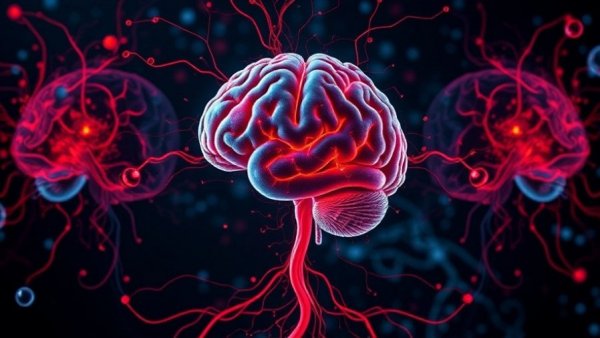
The integration of technology into healthcare has led to groundbreaking discoveries, particularly in understanding complex mental health conditions like ADHD and anxiety. Researchers at Stanford Medicine have unveiled three unique brain types, known as biotypes, that are associated with these disorders. This revelation, driven by AI analysis of extensive brain imaging data, not only alters the perspective on traditional symptom-based diagnosis but also paves the way for more personalized treatment strategies.
Why Understanding Brain Biotypes is Critical
The traditional approach to diagnosing ADHD and anxiety heavily relies on symptom checklists, which often overlook the underlying biological characteristics of these disorders. This can lead to misdiagnosis and ineffective treatments. Dr. Yu Zhang, a co-senior author of the study, emphasized that children with ADHD and those with anxiety frequently present overlapping symptoms. By identifying these distinct brain biotypes, clinicians can now tailor their interventions to better suit individual patients' needs.
How the Research Was Conducted
The Stanford research team utilized data from the Adolescent Brain Cognitive Development (ABCD) study, examining thousands of functional MRI scans from children diagnosed with ADHD, anxiety, or both. This innovative approach involved artificial intelligence (AI) to analyze and identify unique patterns of brain circuit disruptions associated with each biotype. The findings derived from analyzing over 3,500 children—including those with diagnosed conditions and healthy controls—illustrate the potential of AI in enhancing medical research and improving diagnostic accuracy.
Future Implications of Identifying Brain Biotypes
What does this mean for the future of mental health treatment? Children diagnosed with ADHD, anxiety, or both may experience varied symptoms that can now be recognized through their brain biotypes. This advancement signals a paradigm shift in how medical professionals can move beyond conventional diagnostic labels to embrace a more nuanced understanding of patient needs. This individualized approach holds promise for developing targeted therapies and advancing personalized medicine initiatives.
Beyond ADHD and Anxiety: The Broader Impact of AI
The implications of AI-driven research extend far beyond treating ADHD and anxiety. Innovations in AI applications have already begun reshaping various aspects of healthcare, from drug discovery to predictive analytics in clinical trials and even in the development of personalized medicine and genetic testing. As highlighted in contemporary studies, embracing AI not only enhances our understanding of existing medical conditions but also equips researchers with tools that facilitate earlier disease detection and optimization of treatment pathways.
Take Action: Embrace the Future of Healthcare Innovation
The exploration into AI-powered diagnostics is just the beginning. For healthcare professionals, embracing this emerging technology can lead to improved outcomes for patients. Consider integrating AI tools and methodologies into your practice to leverage the full potential of personalized healthcare solutions. As we stand on the brink of a transformative period in medicine, the collaboration between artificial intelligence and healthcare is set to redefine how we diagnose and treat complex disorders.










Write A Comment