cropper
update
Ai Pulth
Ai Pulse Health
update
  • Home
  • Categories
    • Better Patient Care
    • New Medical Discoveries
    • Smart Health Tools
    • AI and Ethics
    • Real-Life Success Stories
    • What’s Next in AI Health
November 09.2026
4 Minutes Read

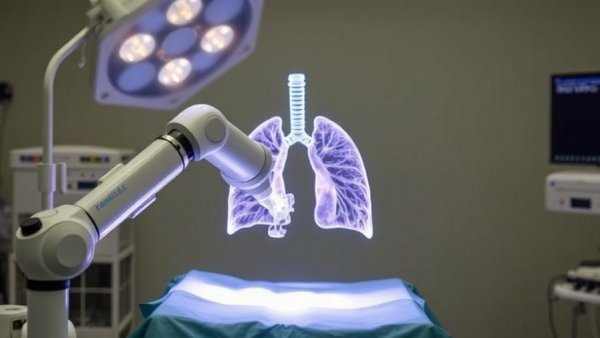
Why Robotic Assistance in Lung Biopsy Could Revolutionize Patient Care

Robotic Assistance Boosts Safety in Lung Biopsy

Understanding the Impact of Robotic Assistance in Lung Biopsy

In the realm of healthcare, the integration of robotic assistance into surgical procedures has emerged as a revolutionary advancement, particularly in lung biopsy. Recent studies indicate that patients undergoing robotic-assisted lung biopsy experience fewer complications while maintaining comparable sensitivity rates to traditional CT scans. This innovation not only enhances safety for patients but also aligns with the ongoing trends in healthcare technology aimed at improving patient care outcomes.

What Makes Robotic Assistance a Game Changer?

The essence of robotic-assisted procedures lies in their precision and minimally invasive nature. Unlike conventional techniques, which can sometimes lead to increased trauma and extended recovery times, robotic systems offer a level of accuracy that significantly reduces the risk of complications. This is especially vital for patients with sensitive health conditions or those undergoing repeated procedures. With the aid of robotic systems, surgeons can perform delicate operations with enhanced visualization and dexterity, ensuring that the surrounding healthy tissues remain untouched.

The Benefits of Robotic Lung Biopsy

Patients can greatly benefit from robotic lung biopsy procedures. One of the most significant advantages is the reduced recovery time. Because the technique is less invasive, patients often find themselves back on their feet much sooner compared to traditional methods. This not only helps them return to their normal activities more quickly but also minimizes hospital stays, reducing overall healthcare costs.

Additionally, fewer complications mean less anxiety for patients and their families. Knowing that surgical interventions carry lower risks allows individuals to approach treatment decisions with greater peace of mind. In turn, this can lead to better overall outcomes, as reduced stress contributes to improved healing and a positive state of mind throughout the recovery process.

Healthcare Technology Trends: Paving the Way for Better Patient Outcomes

The rise of robotic assistance in healthcare is part of a broader trend toward technological innovation aimed at enhancing patient wellness. As healthcare continues to evolve, innovations like AI-driven solutions, telehealth services, and digital health monitoring are becoming increasingly prevalent. These advancements allow for personalized healthcare solutions that consider each patient’s unique needs, leading to better management of chronic diseases and improved health outcomes.

Simplifying Complex Procedures

One of the important aspects of robotic-assisted surgeries is how they can simplify complex procedures that may otherwise pose significant risks. For example, navigating to a lung tumor can be hazardous, especially if the tumor is located near sensitive structures. Robotic systems allow for more precise navigation, reducing the chances of what is referred to as "collateral damage," where non-targeted tissues sustain injury during surgery.

Patient Wellness Strategies: Empowering Patients Through Information

For patients and caregivers, understanding the benefits of robotic-assisted procedures can be empowering. With fewer complications and safer recovery, patients can approach their health with confidence. Educating oneself on available treatments and advancements in healthcare fosters a proactive mindset that is essential for maintaining well-being. Empowered patients are more likely to engage in open dialogues with healthcare providers, ask critical questions, and participate actively in their treatment plans.

The Role of AI in Enhancing Surgical Precision

Artificial intelligence plays a crucial role in the success of robotic-assisted lung biopsies. This technology underpins the machinery that helps guide the surgical instruments with remarkable precision. As healthcare professionals leverage AI-driven solutions, the potential for human error decreases, leading to a landscape where safer, more successful surgeries become the norm. AI algorithms analyze vast amounts of data, allowing for real-time adjustments during procedures, thereby enhancing the overall safety of the interventions.

Future Predictions: The Continuing Evolution of Surgery

Looking ahead, the use of robotic assistance in medical procedures is expected to expand rapidly. With ongoing advancements in technology and increased investment in healthcare innovations, similar applications could extend beyond lung biopsy to a range of surgical fields. Robotics have already made significant inroads in areas such as urology, gynecology, and orthopedics. The implications predict a future where patient care is not only more efficient but also more humane. As technological barriers are overcome, we can anticipate an era where outpatient robotic surgeries become commonplace, reducing the need for invasive hospital stays.

Patient-Centric Care: The Future of Healthcare

At the heart of these advancements is a shift toward patient-centric care. Innovations like robotic-assisted surgeries are designed with the patient experience in mind. This new paradigm not only focuses on the effectiveness of the procedure but also emphasizes the overall comfort and safety of the patient, ushering in an era where treatment is tailored to the desires and needs of the individual.

Conclusion: Taking Charge of Your Health

As technology continues to shape healthcare practices, staying informed and engaged with these advancements is crucial for patients and caregivers alike. By embracing the benefits of robotic-assisted procedures and understanding the role of AI in healthcare, individuals can take actionable steps toward improving their health and wellness. Whether you are preparing for a procedure or supporting a loved one, knowledge is power. Explore the latest healthcare news to stay updated on patient care innovations and empower yourself in your journey towards well-being.


Better Patient Care

1 Views

0 Comments

Write A Comment

*
*
Please complete the captcha to submit your comment.
Related Posts All Posts
11.10.2026

How Medical Futures Studies Transform AI in Patient Care for Better Outcomes

Update Unlocking the Future of Medicine: A Science in Progress In an era where scientific advancements redefine numerous fields, the healthcare sector is on the brink of a major transformation. Dr. Bertalan Mesko, a visionary in this domain, is spearheading the establishment of Medical Futures Studies, a new scientific field focused on the future of healthcare. His recent efforts culminate in the publication of 14 studies that spotlight innovative methodologies for exploring how medicine might evolve to better serve patients and practitioners alike. What Are Medical Futures Studies? Medical Futures Studies is an evolving discipline that applies systematic foresight methodologies to the healthcare field. According to Dr. Mesko, the need for this new scientific subfield became apparent after a scoping review identified only a limited number of studies employing established futures methods in healthcare. This new focus aspires to integrate predictive analytics and advanced research techniques to enhance decision-making in medical environments. The Importance of Foresight in Scientific Research Predicting the future is not merely about guessing; it requires rigorous methodologies to understand potential developments in healthcare better. Dr. Mesko emphasizes that effective scientific decisions often rely on assumptions that warrant systematic examination through established futures methods. The 14 studies published in the Journal of Medical Internet Research exemplify this approach by providing actionable insights into various aspects of healthcare, from technology integration to medical education. Highlights of the 14 Studies Each of the studies explores pressing issues in medicine while employing different methodologies such as scoping reviews, horizon scanning, and scenario analysis. Here are some key insights: Technology Integration for Nurses: This study explored how future hospital rooms can leverage smart health technologies to enhance care delivery. It involved collaborations with nursing professionals who shared their insights on what tools will feel intuitive and helpful in high-demand environments. A Guide to Futures Methods in Health Care: By specifically targeting policies and practices for healthcare professionals, this guide illustrates how they can employ foresight techniques effectively to prepare for uncertainties in the future. Participatory Design in Medical Education: This research demonstrates how involving stakeholders in discussions about future medical education can lead to better engagement and tailor training approaches. Real-World Applications: How Findings Can Improve Patient Care For healthcare professionals and researchers, understanding these studies is crucial as they lay the groundwork for better patient outcomes through innovation. Implementing AI-powered diagnostics and personalized medicine can lead to healthcare transformation, enhancing patient experiences by harnessing data-driven insights efficiently. Building a Research Community and Methodological Standards For Medical Futures Studies to thrive, there is a pressing need for a robust research community, peer-reviewed publications, and standard methodologies. As Dr. Mesko points out, collaboration across various sectors in healthcare can lead to greater innovations—especially when considering AI in healthcare delivery and remote patient monitoring systems. Concluding Thoughts: Embracing the Future of Healthcare As medical professionals, engaging with these emerging insights offers opportunities to proactively shape the future of care delivery. The studies highlight how the integration of AI in patient care can lead to smarter health technologies that not only improve disease detection but also enhance patient-centered care. As we move forward, let’s prioritize embracing these insights and fostering a culture of innovation in our practices. Preventative measures such as implementing foresight methodologies today can significantly impact patient care tomorrow.

11.10.2026

Why Soccer Training Alone Doesn't Boost Lean Mass for T2D Patients

Update The Dancing Effect: How Soccer Training Impacts Fitness Soccer, often perceived merely as a competitive sport, has significant implications for improving fitness and muscle function, particularly for those living with Type 2 Diabetes (T2D). A recent study revealed that while soccer training enhances cardiovascular health and stamina, it surprisingly does not lead to a notable increase in lean muscle mass. This finding opens a crucial dialogue about tailored fitness solutions for individuals managing chronic conditions. Understanding how various exercises contribute to health is key for those seeking effective strategies. The Study Breakdown: What Were the Goals? The research team set out with a dual focus: to assess how soccer training impacts both fitness levels and lean body mass among participants with T2D. The study observed a group engaging in regular soccer sessions, with hopes that the high-energy sport would not only elevate their physical endurance but also contribute to muscle gain. The methodology included a range of assessments, from monitoring heart rates to performing body composition analyses. Such methods help provide a well-rounded perspective on how sports can influence health outcomes in different areas. Understanding T2D: The Challenge of Lean Mass Type 2 Diabetes poses unique challenges in terms of maintaining muscle mass and overall fitness. For patients, managing glucose levels while also trying to achieve fitness goals can be difficult. This limitation makes it vital to identify effective exercise regimens. Traditional forms of exercise, like resistance training, are known for promoting muscle gain; thus, the lack of change observed in muscle mass during soccer training raises interesting questions about the right forms of exercise for T2D patients. Additionally, understanding the role of diet and lifestyle is crucial. Patients may require multifaceted strategies that combine exercise with proper nutrition to attain desired health results. Why Soccer? The Unique Benefits Despite the lean mass phenomenon, soccer offers numerous benefits. The sport involves running, which is excellent for cardiovascular health and managing blood sugar levels. The transition from walking to sprinting can help improve insulin sensitivity, a critical factor for many with T2D. Moreover, the social element of team plays can support mental health—a crucial aspect when it comes to chronic disease management. Engaging with others not only provides motivation but can reduce feelings of isolation that often accompany chronic conditions. Many participants in soccer training programs report heightened moods and reduced anxiety levels, allowing for better everyday functioning. Making Adjustments: The Need for Personalized Approaches With soccer not influencing lean mass as hoped, it underlines the importance of personalized fitness solutions tailored to individual health needs. Engaging with health professionals for tailored exercise plans can empower patients. Incorporating strength training sessions alongside soccer practices could optimize outcomes. These adjustments can aid individuals with T2D in managing both fitness and muscle mass effectively while ensuring a comprehensive exercise routine. Additionally, factors such as age, pre-existing conditions, and personal preferences should be considered when developing a fitness regimen. A holistic approach that means listening to patient feedback reinforces commitment and fosters a sustainable process for achieving health goals. Future Directions: What Lies Ahead for T2D Management? Health care professionals are proposing a future where exercise regimens are tailored more precisely to individual patient profiles. As we witness advancements in healthcare technology, integrating AI-driven solutions for monitoring patients' progress becomes crucial. This innovation could lead to personalized healthcare solutions that adapt in real-time to patient needs, ultimately yielding better health outcomes. Furthermore, continuous personal assessments can provide immediate feedback, allowing patients to shift their focus or efforts as needed, which is essential for maintaining motivation and managing day-to-day fluctuations in their health status. Healthcare technology trends emphasize the importance of not relying solely on one form of physical activity. The evidence suggests that soccer alone may not suffice for muscle development but promotes overall well-being, paving the way for combining various fitness approaches. For example, patients might incorporate swimming, cycling, or resistance training, depending on what they enjoy and what fits their lifestyle. Broadening one's fitness scope can also open doors to new social connections and support networks, enriching the overall experience. How Can Patients Take Charge of Their Health? To empower patients, wellness strategies must incorporate education on diverse exercise benefits. Engaging in discussions with healthcare providers about creating a multifaceted approach—one that includes soccer, strength training, and nutritional guidance—can lead to a comprehensive plan that amplifies health and wellness. Becoming informed about various dietary practices, meal timing, and types of carbohydrates can also enhance the benefits reaped from exercise, creating a synergistic effect that leads to improved quality of life. Conclusion: Embracing Comprehensive Health Solutions The findings from the soccer training study remind us that while traditional sports can offer significant benefits, they must be approached holistically, especially in populations with complex health challenges like Type 2 Diabetes. As research evolves, it opens avenues for integrating innovative healthcare solutions, ensuring that patients receive the guidance and tools needed for successful chronic disease management. Now is the time to explore and embrace comprehensive health strategies that empower patients toward a healthier future! By forging stronger partnerships between patients and healthcare providers, all parties can work together to create proactive plans that enhance overall health and quality of life.

11.07.2026

Serious Infection Risk in MS: Disability and Anti-CD20 Therapy Effects

Update Understanding the Infection Risks in Multiple Sclerosis Recent findings from two comprehensive real-world studies have unveiled alarming statistics regarding multiple sclerosis (MS). Those living with MS face heightened risks of serious infections, especially if they experience physical disabilities. The immune system’s stability can be compromised, leading to a greater vulnerability to infections that could complicate existing medical conditions. Disability and Its Direct Impact on Health In MS patients, even mild disability can significantly correlate with an increased risk of infections. This revelation indicates that health management strategies must consider the level of physical capability when determining the best treatment paths. The disability scale used to measure MS severity highlights that even individuals who may seem capable can face increased health challenges. Health-conscious individuals and caregivers alike need to stay informed about how various factors—including disability—affect the overall health of MS patients. Understanding this connection is vital—not only for those living with MS but also for broader healthcare systems aimed at improving care delivery. It emphasizes the need for a comprehensive approach to treatment that addresses both physical and mental health. Anti-CD20 Therapy: A Double-Edged Sword Among the treatment options available, anti-CD20 therapy has been highlighted for its potency in managing MS symptoms. However, the studies discussed reveal that this particular treatment roughly doubles the risk of serious infections compared to other therapies. This raises critical questions about the balance of benefits and risks when selecting treatment plans for MS. The decision to engage in anti-CD20 therapy must involve careful consideration of the patient’s current health status and previous treatment history. Caregivers must engage actively in discussions with healthcare providers to navigate these complex choices. It is essential for patients and their families to understand that while anti-CD20 therapies can improve neurological functions and mobility, they can also significantly impact the body’s ability to fend off infections. As a result, tailored approaches are needed to ensure that the treatment regimen maximally benefits each unique patient without introducing unnecessary risks. Personalizing MS Treatment for Better Outcomes The evolving landscape of MS treatment underscores the importance of personalized healthcare considerations. As patients and caregivers assess treatment options, being informed about the nuances of each therapy, like anti-CD20 drugs, can lead to better patient outcomes. Understanding the connection between disability and the likelihood of infections can empower individuals in their healthcare decisions. A key takeaway is that communication between the patient, their family, and healthcare professionals is paramount in creating a comprehensive care strategy. By establishing a dialogue about perceived risks and benefits, patients are more likely to adopt a treatment plan that truly aligns with their lifestyle and health objectives. Patient Care Tips to Enhance Safety For those managing MS or caring for someone who does, implementing preventive healthcare tips is crucial. Regular check-ups, staying aware of infection symptoms, and ensuring vaccinations are up to date can help mitigate risks. A thorough understanding of what constitutes typical and atypical symptoms can assist caregivers in responding promptly to any concerning changes in health. Holistic approaches that incorporate both physical activity and mental health strategies also play a significant role in enhancing overall well-being in MS patients. Simple acts, such as organizing gentle exercise routines or group activities with fellow MS patients, can foster both physical health and emotional support, creating a nurturing environment. The Role of Technology in Chronic Disease Management Innovations in healthcare technology can facilitate better monitoring of MS patients. Tools such as smart health monitoring devices, mobile apps, and telemedicine can enhance patient engagement in health management. These advancements enable individuals to track symptoms proactively and maintain consistent communication with healthcare providers, ensuring timely attention when concerns arise. Programs that facilitate easy access to teletherapy or online wellness classes can also empower patients to continue their treatment plans without interruption. Additionally, communities and patients can benefit greatly from online forums and resources dedicated to sharing experiences about living with MS. These platforms allow individuals to share their insights, support one another, and highlight additional tools and strategies that have proven effective in their journeys. A Call for Awareness and Open Communication As the conversation surrounding MS continues to evolve, it is essential for patients and their caregivers to advocate for themselves. Being well-informed about risks, treatment options, and emerging healthcare technologies can significantly influence patient wellness strategies. Educating oneself about potential side effects of treatments and openly discussing these with healthcare professionals can help tailor an approach that prioritizes their health. Furthermore, caregivers play a crucial role in supporting patients, both emotionally and logistically. By encouraging MS patients to voice their concerns and preferences during medical appointments, caregivers can foster a more collaborative healthcare experience that accurately reflects the needs and wishes of those living with the disease. Conclusion: Taking Steps Toward a Healthier Future The insights from recent studies are crucial for those living with MS and their caregivers. By staying informed about the links between disability, treatment options, and infection risk, individuals can make empowered choices for their health and wellness journey. Whether it’s through adopting preventive measures, leveraging technology for better monitoring, or engaging in open dialogue with healthcare professionals, proactive steps can lead to a better quality of life. Ultimately, the collaboration between patients, caregivers, and health providers will enhance understanding and management of MS. With these strategies in place, individuals can strive for not just survival but a fulfilling life despite the challenges posed by multiple sclerosis.

Ai Pulse Health
UPDATE
  • update
  • update
  • update
  • update
  • update
  • update
  • update

ABOUT US

AI Pulse Health delivers the latest news and insights on how AI is transforming healthcare, from medical advancements to wellness tools and patient care innovations.

© 2026 Ai Pulse Health All Rights Reserved. Harp Island Close, London, Brent NW100DF . Contact Us . Terms of Service . Privacy Policy

eyJjb21wYW55IjoiQWkgUHVsc2UgSGVhbHRoIiwiYWRkcmVzcyI6IkhhcnAgSXNsYW5kIENsb3NlIiwiY2l0eSI6IkxvbmRvbiIsInN0YXRlIjoiQnJlbnQiLCJ6aXAiOiJOVzEwMERGIiwiZW1haWwiOiJsb3JlbmFzQGdldG1pbGVyaXNtYXJrZXRpbmcuY29tIiwidG9zIjoiUEhBK1BITjBjbTl1Wno0OFpXMCtWMmhsYmlCNWIzVWdjMmxuYmkxcGJpQjNhWFJvSUhWekxDQjViM1VnWVhKbElHZHBkbWx1WnladVluTndPeUI1YjNWeUlIQmxjbTFwYzNOcGIyNGdZVzVrSUdOdmJuTmxiblFnZEc4Z2MyVnVaQ0I1YjNVZ1pXMWhhV3dnWVc1a0wyOXlJRk5OVXlCMFpYaDBJRzFsYzNOaFoyVnpMaUJDZVNCamFHVmphMmx1WnlCMGFHVWdWR1Z5YlhNZ1lXNWtJRU52Ym1ScGRHbHZibk1nWW05NElHRnVaQ0JpZVNCemFXZHVhVzVuSUdsdUlIbHZkU0JoZFhSdmJXRjBhV05oYkd4NUlHTnZibVpwY20wZ2RHaGhkQ0I1YjNVZ1lXTmpaWEIwSUdGc2JDQjBaWEp0Y3lCcGJpQjBhR2x6SUdGbmNtVmxiV1Z1ZEM0OEwyVnRQand2YzNSeWIyNW5Qand2Y0Q0S0NqeHdQanhoSUdoeVpXWTlJbWgwZEhBNkx5OTNkM2N1WjI5dloyeGxMbU52YlNJK2FIUjBjRG92TDNkM2R5NW5iMjluYkdVdVkyOXRQQzloUGp3dmNENEtDanh3UGladVluTndPend2Y0Q0S0NqeHdQanh6ZEhKdmJtYytVMFZTVmtsRFJUd3ZjM1J5YjI1blBqd3ZjRDRLQ2p4d1BsZGxJSEJ5YjNacFpHVWdZU0J6WlhKMmFXTmxJSFJvWVhRZ1kzVnljbVZ1ZEd4NUlHRnNiRzkzY3lCNWIzVWdkRzhnY21WalpXbDJaU0J5WlhGMVpYTjBjeUJtYjNJZ1ptVmxaR0poWTJzc0lHTnZiWEJoYm5rZ2FXNW1iM0p0WVhScGIyNHNJSEJ5YjIxdmRHbHZibUZzSUdsdVptOXliV0YwYVc5dUxDQmpiMjF3WVc1NUlHRnNaWEowY3l3Z1kyOTFjRzl1Y3l3Z1pHbHpZMjkxYm5SeklHRnVaQ0J2ZEdobGNpQnViM1JwWm1sallYUnBiMjV6SUhSdklIbHZkWElnWlcxaGFXd2dZV1JrY21WemN5QmhibVF2YjNJZ1kyVnNiSFZzWVhJZ2NHaHZibVVnYjNJZ1pHVjJhV05sTGlCWmIzVWdkVzVrWlhKemRHRnVaQ0JoYm1RZ1lXZHlaV1VnZEdoaGRDQjBhR1VnVTJWeWRtbGpaU0JwY3lCd2NtOTJhV1JsWkNBbWNYVnZkRHRCVXkxSlV5WnhkVzkwT3lCaGJtUWdkR2hoZENCM1pTQmhjM04xYldVZ2JtOGdjbVZ6Y0c5dWMybGlhV3hwZEhrZ1ptOXlJSFJvWlNCMGFXMWxiR2x1WlhOekxDQmtaV3hsZEdsdmJpd2diV2x6TFdSbGJHbDJaWEo1SUc5eUlHWmhhV3gxY21VZ2RHOGdjM1J2Y21VZ1lXNTVJSFZ6WlhJZ1kyOXRiWFZ1YVdOaGRHbHZibk1nYjNJZ2NHVnljMjl1WVd4cGVtRjBhVzl1SUhObGRIUnBibWR6TGp3dmNENEtDanh3UGxsdmRTQmhjbVVnY21WemNHOXVjMmxpYkdVZ1ptOXlJRzlpZEdGcGJtbHVaeUJoWTJObGMzTWdkRzhnZEdobElGTmxjblpwWTJVc0lHRnVaQ0IwYUdGMElHRmpZMlZ6Y3lCdFlYa2dhVzUyYjJ4MlpTQjBhR2x5WkMxd1lYSjBlU0JtWldWeklDaHpkV05vSUdGeklGTk5VeUIwWlhoMElHMWxjM05oWjJWekxDQkpiblJsY201bGRDQnpaWEoyYVdObElIQnliM1pwWkdWeUlHOXlJR05sYkd4MWJHRnlJR0ZwY25ScGJXVWdZMmhoY21kbGN5a3VJRmx2ZFNCaGNtVWdjbVZ6Y0c5dWMybGliR1VnWm05eUlIUm9iM05sSUdabFpYTXNJR2x1WTJ4MVpHbHVaeUIwYUc5elpTQm1aV1Z6SUdGemMyOWphV0YwWldRZ2QybDBhQ0IwYUdVZ1pHbHpjR3hoZVNCdmNpQmtaV3hwZG1WeWVTQnZaaUJsWVdOb0lGTk5VeUIwWlhoMElHMWxjM05oWjJVZ2QyVWdjMlZ1WkNCMGJ5QjViM1V1SUVsdUlHRmtaR2wwYVc5dUxDQjViM1VnYlhWemRDQndjbTkyYVdSbElHRnVaQ0JoY21VZ2NtVnpjRzl1YzJsaWJHVWdabTl5SUdGc2JDQmxjWFZwY0cxbGJuUWdibVZqWlhOellYSjVJSFJ2SUdGalkyVnpjeUIwYUdVZ1UyVnlkbWxqWlNCaGJtUWdjbVZqWldsMlpTQjBhR1VnVTAxVElIUmxlSFFnYldWemMyRm5aWE11SUZkbElHUnZJRzV2ZENCamFHRnlaMlVnWVc1NUlHWmxaWE1nWm05eUlIUm9aU0JrWld4cGRtVnllU0J2WmlCbGJXRnBiQ0J2Y2lCVFRWTXVJRlJvYVhNZ2FYTWdZU0JtY21WbElITmxjblpwWTJVZ2QyVWdjSEp2ZG1sa1pTNGdTRzkzWlhabGNpd2djR3hsWVhObElHTm9aV05ySUhkcGRHZ2dlVzkxY2lCcGJuUmxjbTVsZENCelpYSjJhV05sSUhCeWIzWnBaR1Z5SUdGdVpDQmpaV3hzZFd4aGNpQmpZWEp5YVdWeUlHWnZjaUJoYm5rZ1kyaGhjbWRsY3lCMGFHRjBJSGx2ZFNCdFlYa2dhVzVqZFhJZ1lYTWdZU0J5WlhOMWJIUWdiMllnY21WalpXbDJhVzVuSUdWdFlXbHNJR0Z1WkNCVFRWTWdkR1Y0ZENCdFpYTnpZV2RsY3lCMGFHRjBJSGRsSUdSbGJHbDJaWElnZFhCdmJpQjViM1Z5SUc5d2RDMXBiaUJoYm1RZ2NtVm5hWE4wY21GMGFXOXVJSGRwZEdnZ2IzVnlJR1Z0WVdsc0lHRnVaQ0JUVFZNZ2MyVnlkbWxqWlhNdUlGbHZkU0JqWVc0Z1kyRnVZMlZzSUdGMElHRnVlU0IwYVcxbExpQktkWE4wSUhSbGVIUWdKbkYxYjNRN1UxUlBVQ1p4ZFc5ME95QjBieVp1WW5Od096eG9hV2RvYkdsbmFIUWdZMnhoYzNNOUltTnZiWEJoYm5sVFRWTlFhRzl1WlZWd1pHRjBaU0krYm5Wc2JEd3ZhR2xuYUd4cFoyaDBQaTRnUVdaMFpYSWdlVzkxSUhObGJtUWdkR2hsSUZOTlV5QnRaWE56WVdkbElDWnhkVzkwTzFOVVQxQW1jWFZ2ZERzZ2RHOGdkWE1zSUhkbElIZHBiR3dnYzJWdVpDQjViM1VnWVc0Z1UwMVRJRzFsYzNOaFoyVWdkRzhnWTI5dVptbHliU0IwYUdGMElIbHZkU0JvWVhabElHSmxaVzRnZFc1emRXSnpZM0pwWW1Wa0xpQkJablJsY2lCMGFHbHpMQ0I1YjNVZ2QybHNiQ0J1YnlCc2IyNW5aWElnY21WalpXbDJaU0JUVFZNZ2JXVnpjMkZuWlhNZ1puSnZiU0IxY3k0OEwzQStDZ284Y0Q0OGMzUnliMjVuUGxsUFZWSWdVa1ZIU1ZOVVVrRlVTVTlPSUU5Q1RFbEhRVlJKVDA1VFBDOXpkSEp2Ym1jK1BDOXdQZ29LUEhBK1NXNGdZMjl1YzJsa1pYSmhkR2x2YmlCdlppQjViM1Z5SUhWelpTQnZaaUIwYUdVZ1UyVnlkbWxqWlN3Z2VXOTFJR0ZuY21WbElIUnZPand2Y0Q0S0NqeHZiRDRLQ1R4c2FUNXdjbTkyYVdSbElIUnlkV1VzSUdGalkzVnlZWFJsTENCamRYSnlaVzUwSUdGdVpDQmpiMjF3YkdWMFpTQnBibVp2Y20xaGRHbHZiaUJoWW05MWRDQjViM1Z5YzJWc1ppQmhjeUJ3Y205dGNIUmxaQ0JpZVNCMGFHVWdVMlZ5ZG1salpTWWpNems3Y3lCeVpXZHBjM1J5WVhScGIyNGdabTl5YlNBb2MzVmphQ0JwYm1admNtMWhkR2x2YmlCaVpXbHVaeUIwYUdVZ0puRjFiM1E3VW1WbmFYTjBjbUYwYVc5dUlFUmhkR0VtY1hWdmREc3BJR0Z1WkR3dmJHaytDZ2s4YkdrK2JXRnBiblJoYVc0Z1lXNWtJSEJ5YjIxd2RHeDVJSFZ3WkdGMFpTQjBhR1VnVW1WbmFYTjBjbUYwYVc5dUlFUmhkR0VnZEc4Z2EyVmxjQ0JwZENCMGNuVmxMQ0JoWTJOMWNtRjBaU3dnWTNWeWNtVnVkQ0JoYm1RZ1kyOXRjR3hsZEdVdUlFbG1JSGx2ZFNCd2NtOTJhV1JsSUdGdWVTQnBibVp2Y20xaGRHbHZiaUIwYUdGMElHbHpJSFZ1ZEhKMVpTd2dhVzVoWTJOMWNtRjBaU3dnYm05MElHTjFjbkpsYm5RZ2IzSWdhVzVqYjIxd2JHVjBaU3dnYjNJZ2QyVWdhR0YyWlNCeVpXRnpiMjVoWW14bElHZHliM1Z1WkhNZ2RHOGdjM1Z6Y0dWamRDQjBhR0YwSUhOMVkyZ2dhVzVtYjNKdFlYUnBiMjRnYVhNZ2RXNTBjblZsTENCcGJtRmpZM1Z5WVhSbExDQnViM1FnWTNWeWNtVnVkQ0J2Y2lCcGJtTnZiWEJzWlhSbExDQjNaU0JvWVhabElIUm9aU0J5YVdkb2RDQjBieUJ6ZFhOd1pXNWtJRzl5SUR4emRISnZibWMrUEhOd1lXNGdjM1I1YkdVOUltTnZiRzl5T2lOR1JqQXdNREE3SWo1MFpYSnRhVzVoZEdVZ2VXOTFjaUJoWTJOdmRXNTBMM0J5YjJacGJHVWdZVzVrSUhKbFpuVnpaU0JoYm5rZ1lXNWtJR0ZzYkNCamRYSnlaVzUwSUc5eUlHWjFkSFZ5WlNCMWMyVWdiMllnZEdobElGTmxjblpwWTJVZ0tHOXlJR0Z1ZVNCd2IzSjBhVzl1SUhSb1pYSmxiMllwTGp3dmMzQmhiajQ4TDNOMGNtOXVaejQ4TDJ4cFBnbzhMMjlzUGdvS1BIQStKbTVpYzNBN1BDOXdQZ284YUdsbmFHeHBaMmgwSUdOc1lYTnpQU0pqYjIxd1lXNTVUbUZ0WlZWd1pHRjBaU0krUVdrZ1VIVnNjMlVnU0dWaGJIUm9QQzlvYVdkb2JHbG5hSFErUEdKeUlDOCtDanhvYVdkb2JHbG5hSFFnWTJ4aGMzTTlJbU52YlhCaGJubEJaR1J5WlhOelZYQmtZWFJsSWo1SVlYSndJRWx6YkdGdVpDQkRiRzl6WlN3Z1RHOXVaRzl1TENCQ2NtVnVkQ0JPVnpFd01FUkdQQzlvYVdkb2JHbG5hSFErUEdKeUlDOCtDanhvYVdkb2JHbG5hSFFnWTJ4aGMzTTlJbU52YlhCaGJubFFhRzl1WlZWd1pHRjBaU0krS3pRME56ZzFOalUxTURBek5Ud3ZhR2xuYUd4cFoyaDBQanhpY2lBdlBnbzhhR2xuYUd4cFoyaDBJR05zWVhOelBTSmpiMjF3WVc1NVJXMWhhV3hWY0dSaGRHVWlQbXh2Y21WdVlYTkFaMlYwYldsc1pYSnBjMjFoY210bGRHbHVaeTVqYjIwOEwyaHBaMmhzYVdkb2REND0iLCJwcml2YWN5IjoiUEhBK1BITjBjbTl1Wno1UVVrbFdRVU5aUEM5emRISnZibWMrUEM5d1Bnb0tQSEErUEhOMGNtOXVaejVVYUdVZ2FXNW1iM0p0WVhScGIyNGdjSEp2ZG1sa1pXUWdaSFZ5YVc1bklIUm9hWE1nY21WbmFYTjBjbUYwYVc5dUlHbHpJR3RsY0hRZ2NISnBkbUYwWlNCaGJtUWdZMjl1Wm1sa1pXNTBhV0ZzTENCaGJtUWdkMmxzYkNCdVpYWmxjaUJpWlNCa2FYTjBjbWxpZFhSbFpDd2dZMjl3YVdWa0xDQnpiMnhrTENCMGNtRmtaV1FnYjNJZ2NHOXpkR1ZrSUdsdUlHRnVlU0IzWVhrc0lITm9ZWEJsSUc5eUlHWnZjbTB1SUZSb2FYTWdhWE1nYjNWeUlHZDFZWEpoYm5SbFpTNDhMM04wY205dVp6NDhMM0ErQ2dvOGNENDhjM1J5YjI1blBrbE9SRVZOVGtsVVdUd3ZjM1J5YjI1blBqd3ZjRDRLQ2p4d1BqeGxiVDVaYjNVZ1lXZHlaV1VnZEc4Z2FXNWtaVzF1YVdaNUlHRnVaQ0JvYjJ4a0lIVnpMQ0JoYm1RZ2FYUnpJSE4xWW5OcFpHbGhjbWxsY3l3Z1lXWm1hV3hwWVhSbGN5d2diMlptYVdObGNuTXNJR0ZuWlc1MGN5d2dZMjh0WW5KaGJtUmxjbk1nYjNJZ2IzUm9aWElnY0dGeWRHNWxjbk1zSUdGdVpDQmxiWEJzYjNsbFpYTXNJR2hoY20xc1pYTnpJR1p5YjIwZ1lXNTVJR05zWVdsdElHOXlJR1JsYldGdVpDd2dhVzVqYkhWa2FXNW5JSEpsWVhOdmJtRmliR1VnWVhSMGIzSnVaWGx6SmlNek9Uc2dabVZsY3l3Z2JXRmtaU0JpZVNCaGJua2dkR2hwY21RZ2NHRnlkSGtnWkhWbElIUnZJRzl5SUdGeWFYTnBibWNnYjNWMElHOW1JRU52Ym5SbGJuUWdlVzkxSUhKbFkyVnBkbVVzSUhOMVltMXBkQ3dnY21Wd2JIa3NJSEJ2YzNRc0lIUnlZVzV6YldsMElHOXlJRzFoYTJVZ1lYWmhhV3hoWW14bElIUm9jbTkxWjJnZ2RHaGxJRk5sY25acFkyVXNJSGx2ZFhJZ2RYTmxJRzltSUhSb1pTQlRaWEoyYVdObExDQjViM1Z5SUdOdmJtNWxZM1JwYjI0Z2RHOGdkR2hsSUZObGNuWnBZMlVzSUhsdmRYSWdkbWx2YkdGMGFXOXVJRzltSUhSb1pTQlVUMU1zSUc5eUlIbHZkWElnZG1sdmJHRjBhVzl1SUc5bUlHRnVlU0J5YVdkb2RITWdiMllnWVc1dmRHaGxjaTQ4TDJWdFBqd3ZjRDRLQ2p4d1BqeHpkSEp2Ym1jK1JFbFRRMHhCU1UxRlVpQlBSaUJYUVZKU1FVNVVTVVZUUEM5emRISnZibWMrUEM5d1Bnb0tQSEErUEhOMGNtOXVaejVaVDFVZ1JWaFFVa1ZUVTB4WklGVk9SRVZTVTFSQlRrUWdRVTVFSUVGSFVrVkZJRlJJUVZRNlBDOXpkSEp2Ym1jK1BDOXdQZ29LUEc5c1Bnb0pQR3hwUGxsUFZWSWdWVk5GSUU5R0lGUklSU0JUUlZKV1NVTkZJRWxUSUVGVUlGbFBWVklnVTA5TVJTQlNTVk5MTGlCVVNFVWdVMFZTVmtsRFJTQkpVeUJRVWs5V1NVUkZSQ0JQVGlCQlRpQW1jWFZ2ZER0QlV5QkpVeVp4ZFc5ME95QkJUa1FnSm5GMWIzUTdRVk1nUVZaQlNVeEJRa3hGSm5GMWIzUTdJRUpCVTBsVExpQXNMaUJCVGtRZ1ZWTXNJRWxVSmlNek9UdFRJRU5WVTFSUFRVVlNVeXdnUlZoUVVrVlRVMHhaSUVSSlUwTk1RVWxOVXlCQlRFd2dWMEZTVWtGT1ZFbEZVeUJQUmlCQlRsa2dTMGxPUkN3Z1YwaEZWRWhGVWlCRldGQlNSVk5USUU5U0lFbE5VRXhKUlVRc0lFbE9RMHhWUkVsT1J5d2dRbFZVSUU1UFZDQk1TVTFKVkVWRUlGUlBJRlJJUlNCSlRWQk1TVVZFSUZkQlVsSkJUbFJKUlZNZ1QwWWdUVVZTUTBoQlRsUkJRa2xNU1ZSWkxDQkdTVlJPUlZOVElFWlBVaUJCSUZCQlVsUkpRMVZNUVZJZ1VGVlNVRTlUUlNCQlRrUWdUazlPTFVsT1JsSkpUa2RGVFVWT1ZDNDhMMnhwUGdvSlBHeHBQazFCUzBWVElFNVBJRmRCVWxKQlRsUlpJRlJJUVZRZ0tHa3BJRlJJUlNCVFJWSldTVU5GSUZkSlRFd2dUVVZGVkNCWlQxVlNJRkpGVVZWSlVrVk5SVTVVVXl3Z0tHbHBLU0JVU0VVZ1UwVlNWa2xEUlNCWFNVeE1JRUpGSUZWT1NVNVVSVkpTVlZCVVJVUXNJRlJKVFVWTVdTd2dVMFZEVlZKRkxDQlBVaUJGVWxKUFVpMUdVa1ZGTENBb2FXbHBLU0JVU0VVZ1VrVlRWVXhVVXlCVVNFRlVJRTFCV1NCQ1JTQlBRbFJCU1U1RlJDQkdVazlOSUZSSVJTQlZVMFVnVDBZZ1ZFaEZJRk5GVWxaSlEwVWdWMGxNVENCQ1JTQkJRME5WVWtGVVJTQlBVaUJTUlV4SlFVSk1SU3dnUVU1RUlDaHBkaWtnUVU1WklFVlNVazlTVXlCSlRpQlVTRVVnVTA5R1ZGZEJVa1VnVjBsTVRDQkNSU0JEVDFKU1JVTlVSVVF1UEM5c2FUNEtDVHhzYVQ1QlRsa2dUVUZVUlZKSlFVd2dSRTlYVGt4UFFVUkZSQ0JQVWlCUFZFaEZVbGRKVTBVZ1QwSlVRVWxPUlVRZ1ZFaFNUMVZIU0NCVVNFVWdWVk5GSUU5R0lGUklSU0JUUlZKV1NVTkZJRWxUSUVSUFRrVWdRVlFnV1U5VlVpQlBWMDRnUkVsVFExSkZWRWxQVGlCQlRrUWdVa2xUU3lCQlRrUWdWRWhCVkNCWlQxVWdWMGxNVENCQ1JTQlRUMHhGVEZrZ1VrVlRVRTlPVTBsQ1RFVWdSazlTSUVGT1dTQkVRVTFCUjBVZ1ZFOGdXVTlWVWlCRFQwMVFWVlJGVWlCVFdWTlVSVTBnVDFJZ1RFOVRVeUJQUmlCRVFWUkJJRlJJUVZRZ1VrVlRWVXhVVXlCR1VrOU5JRlJJUlNCRVQxZE9URTlCUkNCUFJpQkJUbGtnVTFWRFNDQk5RVlJGVWtsQlRDNDhMMnhwUGdvSlBHeHBQazVQSUVGRVZrbERSU0JQVWlCSlRrWlBVazFCVkVsUFRpd2dWMGhGVkVoRlVpQlBVa0ZNSUU5U0lGZFNTVlJVUlU0c0lFOUNWRUZKVGtWRUlFSlpJRmxQVlNCR1VrOU5JRTlTSUZSSVVrOVZSMGdnVDFJZ1JsSlBUU0JVU0VVZ1UwVlNWa2xEUlNCVFNFRk1UQ0JEVWtWQlZFVWdRVTVaSUZkQlVsSkJUbFJaSUU1UFZDQkZXRkJTUlZOVFRGa2dVMVJCVkVWRUlFbE9JRlJJUlNCVVQxTXVQQzlzYVQ0S1BDOXZiRDRLQ2p4d1BqeHpkSEp2Ym1jK1RFbE5TVlJCVkVsUFRpQlBSaUJNU1VGQ1NVeEpWRms4TDNOMGNtOXVaejQ4TDNBK0NnbzhjRDVaVDFVZ1JWaFFVa1ZUVTB4WklGVk9SRVZTVTFSQlRrUWdRVTVFSUVGSFVrVkZJRlJJUVZRZ1FVNUVJRk5JUVV4TUlFNVBWQ0JDUlNCTVNVRkNURVVnUms5U0lFRk9XU0JFU1ZKRlExUXNJRWxPUkVsU1JVTlVMQ0JKVGtOSlJFVk9WRUZNTENCVFVFVkRTVUZNTENCRFQwNVRSVkZWUlU1VVNVRk1JRTlTSUVWWVJVMVFURUZTV1NCRVFVMUJSMFZUTENCSlRrTk1WVVJKVGtjZ1FsVlVJRTVQVkNCTVNVMUpWRVZFSUZSUExDQkVRVTFCUjBWVElFWlBVaUJNVDFOVElFOUdJRkJTVDBaSlZGTXNJRWRQVDBSWFNVeE1MQ0JWVTBVc0lFUkJWRUVnVDFJZ1QxUklSVklnU1U1VVFVNUhTVUpNUlNCTVQxTlRSVk1nS0VWV1JVNGdTVVlnU0VGVElFSkZSVTRnUVVSV1NWTkZSQ0JQUmlCVVNFVWdVRTlUVTBsQ1NVeEpWRmtnVDBZZ1UxVkRTQ0JFUVUxQlIwVlRLU3dnVWtWVFZVeFVTVTVISUVaU1QwMDZQQzl3UGdvS1BHOXNQZ29KUEd4cFBsUklSU0JWVTBVZ1QxSWdWRWhGSUVsT1FVSkpURWxVV1NCVVR5QlZVMFVnVkVoRklGTkZVbFpKUTBVN1BDOXNhVDRLQ1R4c2FUNVVTRVVnUTA5VFZDQlBSaUJRVWs5RFZWSkZUVVZPVkNCUFJpQlRWVUpUVkVsVVZWUkZJRWRQVDBSVElFRk9SQ0JUUlZKV1NVTkZVeUJTUlZOVlRGUkpUa2NnUmxKUFRTQkJUbGtnUjA5UFJGTXNJRVJCVkVFc0lFbE9SazlTVFVGVVNVOU9JRTlTSUZORlVsWkpRMFZUSUZCVlVrTklRVk5GUkNCUFVpQlBRbFJCU1U1RlJDQlBVaUJOUlZOVFFVZEZVeUJTUlVORlNWWkZSQ0JQVWlCVVVrRk9VMEZEVkVsUFRsTWdSVTVVUlZKRlJDQkpUbFJQSUZSSVVrOVZSMGdnVDFJZ1JsSlBUU0JVU0VVZ1UwVlNWa2xEUlRzOEwyeHBQZ29KUEd4cFBsVk9RVlZVU0U5U1NWcEZSQ0JCUTBORlUxTWdWRThnVDFJZ1FVeFVSVkpCVkVsUFRpQlBSaUJaVDFWU0lGUlNRVTVUVFVsVFUwbFBUbE1nVDFJZ1JFRlVRVHM4TDJ4cFBnb0pQR3hwUGxOVVFWUkZUVVZPVkZNZ1QxSWdRMDlPUkZWRFZDQlBSaUJCVGxrZ1ZFaEpVa1FnVUVGU1ZGa2dUMDRnVkVoRklGTkZVbFpKUTBVN0lFOVNQQzlzYVQ0S0NUeHNhVDVCVGxrZ1QxUklSVklnVFVGVVZFVlNJRkpGVEVGVVNVNUhJRlJQSUZSSVJTQlRSVkpXU1VORkxqd3ZiR2srQ2p3dmIydytDZ284Y0Q0OGRUNUNlU0J5WldkcGMzUmxjbWx1WnlCaGJtUWdjM1ZpYzJOeWFXSnBibWNnZEc4Z2IzVnlJR1Z0WVdsc0lHRnVaQ0JUVFZNZ2MyVnlkbWxqWlN3Z1lua2diM0IwTFdsdUxDQnZibXhwYm1VZ2NtVm5hWE4wY21GMGFXOXVJRzl5SUdKNUlHWnBiR3hwYm1jZ2IzVjBJR0VnWTJGeVpDd2dKbkYxYjNRN2VXOTFJR0ZuY21WbElIUnZJSFJvWlhObElGUkZVazFUSUU5R0lGTkZVbFpKUTBVbWNYVnZkRHNnWVc1a0lIbHZkU0JoWTJ0dWIzZHNaV1JuWlNCaGJtUWdkVzVrWlhKemRHRnVaQ0IwYUdVZ1lXSnZkbVVnZEdWeWJYTWdiMllnYzJWeWRtbGpaU0J2ZFhSc2FXNWxaQ0JoYm1RZ1pHVjBZV2xzWldRZ1ptOXlJSGx2ZFNCMGIyUmhlUzQ4TDNVK1BDOXdQZ29LUEhBK0ptNWljM0E3UEM5d1BnbzhhR2xuYUd4cFoyaDBJR05zWVhOelBTSmpiMjF3WVc1NVRtRnRaVlZ3WkdGMFpTSStRV2tnVUhWc2MyVWdTR1ZoYkhSb1BDOW9hV2RvYkdsbmFIUStQR0p5SUM4K0NqeG9hV2RvYkdsbmFIUWdZMnhoYzNNOUltTnZiWEJoYm5sQlpHUnlaWE56VlhCa1lYUmxJajVJWVhKd0lFbHpiR0Z1WkNCRGJHOXpaU3dnVEc5dVpHOXVMQ0JDY21WdWRDQk9WekV3TUVSR1BDOW9hV2RvYkdsbmFIUStQR0p5SUM4K0NqeG9hV2RvYkdsbmFIUWdZMnhoYzNNOUltTnZiWEJoYm5sUWFHOXVaVlZ3WkdGMFpTSStLelEwTnpnMU5qVTFNREF6TlR3dmFHbG5hR3hwWjJoMFBqeGljaUF2UGdvOGFHbG5hR3hwWjJoMElHTnNZWE56UFNKamIyMXdZVzU1UlcxaGFXeFZjR1JoZEdVaVBteHZjbVZ1WVhOQVoyVjBiV2xzWlhKcGMyMWhjbXRsZEdsdVp5NWpiMjA4TDJocFoyaHNhV2RvZEQ0PSJ9

Terms of Service

Privacy Policy

Core Modal Title

Sorry, no results found

You Might Find These Articles Interesting

T
Please Check Your Email
We Will Be Following Up Shortly
*
*
*