


The Growing Importance of HVI Score in Trauma Assessment
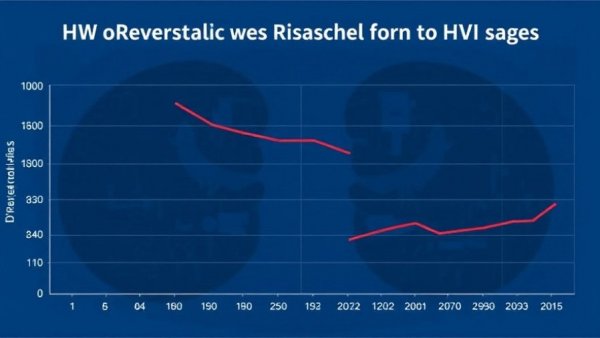
As healthcare continues to evolve, so do the tools used to assess and diagnose injuries. Among these innovations, the Hollow Viscus Injury (HVI) score has shown remarkable promise, particularly in cases of non-motor vehicle collision blunt trauma. A recent study highlighted that this scoring system, originally tailored to evaluate risk based on the presence of seat belt signs, performs well in identifying hollow viscus injuries. With the potential to improve outcomes in trauma medicine, the HVI score presents a valuable tool for both healthcare professionals and patients alike.
Understanding Hollow Viscus Injury: What You Need to Know
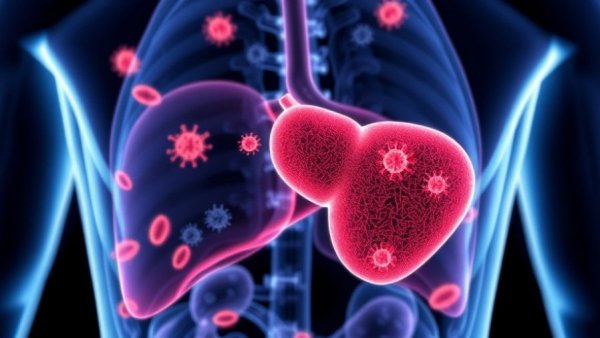
Hollow viscus injuries refer to damage involving organs that have a hollow space, such as the intestines or bladder. These injuries can be particularly dangerous as they often lead to significant internal bleeding and infection if not identified and treated promptly. Understanding what constitutes a hollow viscus injury is essential for health-conscious individuals and caregivers, as it can impact everything from daily activities to long-term health outcomes. Knowledge of early signs, such as abdominal pain, swelling, or changes in bowel habits, can be vital in recognizing when to seek immediate medical attention. Prompt treatment can significantly enhance recovery chances and reduce the likelihood of complications. Awareness around these injuries can encourage proactive health measures that focus on maintaining well-being.
Brilliance of AI in Healthcare: Bridging the Gap
Incorporating artificial intelligence in the medical field has transformed many aspects of patient care, including trauma assessment. AI-driven healthcare solutions are increasingly being utilized to analyze vast amounts of data, leading to more accurate diagnostics and quicker decision-making processes. The HVI score fits seamlessly into this narrative as healthcare technology trends lean toward integration with smart health monitoring systems that enhance patient experiences and outcomes. By utilizing AI, healthcare providers can prioritize cases more effectively, leveraging data to guide clinical decisions and interventions. This combination of technology and care not only streamlines the process but also fosters a culture of personalized treatment.
Real-Life Impact: How HVI Score Can Influence Patient Care
Consider the case of a 30-year-old male involved in a minor car accident. Initial assessments showed no visible injuries, but the presence of a seat belt sign raised a red flag for further evaluation. Thanks to the HVI scoring protocol, providers could swiftly decide on necessary imaging to rule out internal injuries. This timely intervention not only improved the chances of a positive outcome but significantly relieved anxiety for the patient and his family. Such scenarios illustrate how critical the HVI score can be in preventing overlooking severe injuries. For patients and their families, knowing that such a protocol is in place can provide peace of mind. In emergency settings, every second counts, and the ability to use the HVI score quickly can mean the difference between life and death.
Future Predictions: Will HVI Score Become Standard?
The utilization of HVI scores in broader clinical settings opens the door for future predictions about trauma care standards. If this scoring system gains acceptance among emergency medical practitioners, we can speculate that it could lead the way toward standardized protocols for assessing trauma in non-MVC cases. This would be an empowering advancement for patients who depend on quick and accurate assessments to ensure the best outcomes. Adopting the HVI score into routine trauma care could also foster further research, leading to the refinement of trauma assessment tools and methodologies. Such standardization may eventually result in national guidelines, bolstering patients' trust in the healthcare system.
Practical Insights: Enhancing Patient Awareness
Arming patients and caregivers with knowledge about hollow viscus injuries can significantly enhance health management strategies. Simple actions, such as recognizing the signs of trauma (abdominal pain, visible bruising, or changes in appetite) and understanding when to seek medical attention, can make all the difference. Furthermore, actively engaging in conversation with healthcare providers can empower patients to advocate for themselves. This proactive approach aligns with the movement toward personalized healthcare solutions and acknowledges the critical role that informed patients play in their outcomes. Additionally, educational resources—such as brochures or community workshops—can play a pivotal role in increasing awareness and understanding of these injuries.
Conclusion: Embrace the Power of Knowledge
Understanding and recognizing the HVI score's role in trauma assessment highlights a crucial intersection between innovative healthcare practices and patient empowerment. Encouraging proactive health awareness among patients can lead to better outcomes. Whether through preventive health measures or swift actions during a traumatic event, patient knowledge remains a vital component of successful healthcare delivery. Let's take a step forward by spreading awareness about injury risks and advocating for efficient assessment tools like the HVI score to ensure that patients receive the best care possible. By embracing these innovations and prioritizing education, we can work together to enhance the overall health environment for current and future generations.










Write A Comment