


The Future of Healthcare: Breakthroughs That Matter
The medical landscape is currently experiencing a renaissance thanks to groundbreaking technologies that have made significant strides in a relatively short period of time. These advancements, tied closely to the fields of genetics, vaccine development, and telehealth, promise to redefine patient care. As healthcare professionals, staying informed about these trends can enhance your ability to provide cutting-edge care.
CRISPR Gene Editing: A Revolutionary Shift
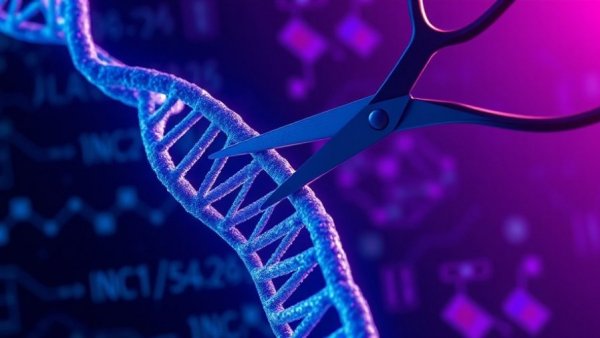
In recent years, CRISPR gene editing has emerged from its experimental status to gain regulatory approvals that will shape healthcare. With pioneering therapies, such as the 'Casgevy' treatment for sickle cell disease, the technique is now transitioning into clinical settings. Conventionally seen as a theoretical tool, it now allows for precise changes in a patient's DNA, offering a glimpse into the future where genetic diseases can be treated effectively. This advancement not only raises hopes for curing genetic disorders but also has potential implications for treating various types of cancer and rare diseases, ultimately saving countless lives.
The mRNA Vaccine Epoch: Expanding Frontiers
The swift rollout of mRNA vaccines during the COVID-19 pandemic not only saved lives but also opened alternative pathways for vaccine development. Celebrated with a Nobel prize, this technology is now exploring potential treatments for various cancers and infectious diseases. The incredible adaptability of mRNA technology positions it as a cornerstone in the future of medical responses to health challenges. For instance, research is currently underway into combining mRNA vaccines with traditional vaccinations to create more effective immunization strategies for viruses like flu and even HIV.
Telemedicine: A New Era of Healthcare Delivery
Telemedicine has reshaped how healthcare systems interact with patients, particularly during the pandemic. The ability to consult with healthcare providers from the comfort of home has disrupted traditional models of care and paved the way for innovative patient engagement tools. Remote patient monitoring and digital health applications have largely contributed to a more personalised and patient-centered approach. Additionally, telehealth has been vital for maintaining continuity of care for chronic disease management and mental health services, emphasizing its importance in modern healthcare systems.
AI Innovations: Powering Healthcare Transformation
AI-driven solutions are beginning to revolutionise clinical decision-making and enhance patient engagement. Predictive analytics in healthcare helps clinicians to anticipate patient needs and tailor treatments accordingly. For example, machine learning algorithms can identify at-risk patients and recommend preventative measures, which is especially beneficial in areas like cardiology and oncology. These advancements not only improve patient satisfaction but also empower healthcare professionals with data-driven insights that guide best practices, streamlining operations in everyday practice.
The Importance of Healthcare Innovation
As we navigate through these revolutionary changes in medicine, the ongoing integration of technology plays a pivotal role in enhancing patient outcomes. From AI in healthcare delivery to smart health technologies, each breakthrough contributes to a collective shift towards more efficient and effective care. With an increasing focus on personalised medicine, innovations such as genetic profiling will enable tailored treatment strategies, reducing side effects and enhancing effectiveness.
Embracing Change: What This Means for You
Healthcare professionals must remain engaged with these technological advancements to better serve their patients. By understanding and incorporating these breakthroughs, you can significantly improve patient experiences and outcomes, steering healthcare towards a transformative era. Educating yourself about the operational mechanisms of these new technologies will not only inform your practice but also enable you to lead conversations about their implementation in healthcare settings. As these tools evolve, they will paved the way for a more collaborative relationship between providers and patients, ultimately fostering a healthier society.
The Path Forward: Preparing for What's Next
Looking ahead, it is essential for medical practitioners to embrace the ongoing developments in medical technology. Keeping abreast of the latest research, attending workshops, or participating in relevant training sessions can equip you with the knowledge and skills needed to integrate these innovations into your practice. The future of healthcare is undoubtedly technology-driven, and those who adapt will be best positioned to deliver improved patient care.










Write A Comment