


Alzheimer's: A Silent Progression with Early Warning Signs
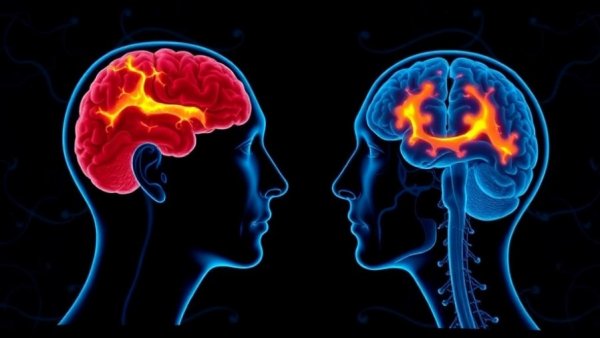
Alzheimer's disease is not just a matter of forgetting someone's name or losing track of what you were doing. It begins its silent journey deep within the brain, showing subtle signs well before the memory loss that we often associate with the disease. Researchers at Johns Hopkins University have made groundbreaking discoveries revealing that two brain regions—the entorhinal cortex and amygdala—begin to shrink years before the hippocampus, traditionally examined for Alzheimer’s symptoms, shows any signs of deterioration. This early detection could provide crucial opportunities for treatment long before cognitive decline becomes evident.
The Promise of Early Detection
Imagine if doctors could identify Alzheimer’s disease up to ten years before a patient even starts forgetting names or locations. This revolutionary possibility is now on the horizon, thanks to the insights gleaned from hundreds of MRI and PET brain scans. The entorhinal cortex and amygdala are integral to our memory and emotional responses. As these areas deteriorate, they could serve as early indicators, sparking hope that interventions might begin sooner—at the 2, 3, or 4-year mark, rather than waiting until significant symptoms manifest. According to lead researcher Michael Miller, this approach could radically change the trajectory of Alzheimer's treatment, allowing for proactive rather than reactive care.
Understanding the Biochemical Markers
Central to this early detection is the identification of biomarkers. These measurable changes in the body help clinicians and researchers understand the progression of Alzheimer’s disease. Abnormal tau protein buildup is a key factor linked to these early changes. By addressing this presence, it may be possible to halt or significantly slow the disease’s progression. As co-author Marilyn Albert emphasizes, finding reliable markers is essential to developing strategies that might even prevent symptoms from developing altogether.
AI's Role in Alzheimer’s Research
This exploration into the brain’s early warning signs is not only a triumph of medical research but also a significant opportunity for the integration of AI in medical research. Artificial intelligence has the potential to enhance our understanding of complex neurological diseases like Alzheimer’s significantly. From machine learning algorithms analyzing brain scans to predictive analytics in identifying individuals at high risk, AI is proving to be an invaluable ally in the quest for earlier and more accurate disease diagnostics.
The Future of Alzheimer’s Diagnosis
Advancements in AI technologies will likely lead to more robust early-detection tools, enabling healthcare providers to intervene earlier. Future studies will delve deeper into how AI can optimize clinical trials and personalize treatment for those at risk of Alzheimer’s disease. By continuously refining these technologies, we move closer to a world where Alzheimer’s interventions can begin before the disease takes hold.
A Call to Action for Healthcare Professionals
The implications of these findings extend beyond the lab. For healthcare professionals and researchers, this is a pivotal moment. There’s an urgent need for more investigations into the potential of AI-powered drug discovery and how these technologies can reshape Alzheimer’s care. Engaging with these insights now can help build a more informed, proactive approach for patients and families grappling with the uncertainties of this disease.











Write A Comment