cropper
update
Ai Pulth
Ai Pulse Health
update
  • Home
  • Categories
    • Better Patient Care
    • New Medical Discoveries
    • Smart Health Tools
    • AI and Ethics
    • Real-Life Success Stories
    • What’s Next in AI Health
November 20.2026
3 Minutes Read

Discover How the Aktiia Bracelet Transforms Blood Pressure Monitoring

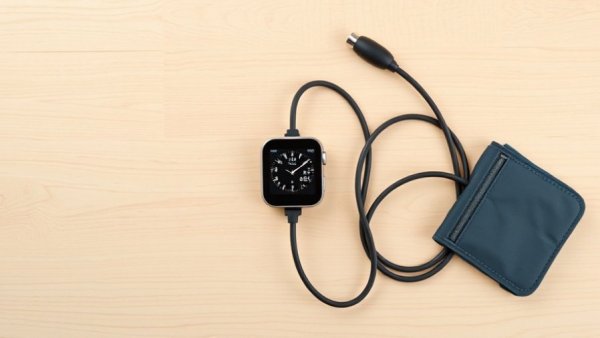
Wearable blood pressure monitor on a wooden table with packaging

Revolutionizing Blood Pressure Monitoring

The Aktiia Bracelet is a standout innovation in wearable health technology, revolutionizing the way we monitor blood pressure. Unlike traditional cuffs, the bracelet offers continuous monitoring, providing users with real-time insights into their blood pressure levels without the hassle of attaching cumbersome devices. This innovation taps into cutting-edge technology used in photoplethysmography (PPG) to deliver accurate readings, ushering in a new era where monitoring can become a seamless part of daily life.

Understanding Photoplethysmography

What exactly is photoplethysmography? This non-invasive technique shines light onto the skin and measures the fluctuations in light absorption caused by changes in blood volume. Such technology plays a vital role in how the Aktiia Bracelet estimates blood pressure. While it traditionally served to monitor heart rate and oxygen saturation, its application in blood pressure tracking marks a significant advance in digital health solutions.

The Comfort Factor

For healthcare professionals and tech-savvy individuals alike, comfort is paramount when it comes to health wearables. The Aktiia Bracelet is designed to be lightweight and user-friendly, ensuring that users can wear it throughout the day and night without discomfort. This aspect is particularly beneficial for those needing consistent tracking of their blood pressure to manage chronic conditions. Comfort helps promote adherence, ensuring users benefit from the data collected.

Where Clinical Validation Meets Practical Application

Despite its impressive technology, a lingering question remains regarding its clinical validation. The Aktiia Bracelet has undergone several studies that affirm its accuracy, yet it's still essential to combine its use with traditional blood pressure cuffs for precise medical decisions. The American Heart Association has recommended caution in using cuffless devices to manage hypertension due to their reliability concerns. Therefore, while this innovative wearable device shows promise, users should continue employing validated methods for critical health decisions, illustrating the need for a balanced approach in patient engagement.

Improving Patient Experience and Outcomes

The advent of the Aktiia Bracelet signifies more than just technological progress; it represents a shift towards improving patient care. With its ability to track blood pressure continuously, patients have the opportunity to understand trends and fluctuations in their health, which can be pivotal in managing conditions proactively. Engaging patients in their healthcare journey with such digital tools enhances patient-centered care, especially in an era where data-driven insights are increasingly important.

What This Means for the Future

As AI-powered diagnostics become more prevalent, the potential for tools like the Aktiia Bracelet expands. These innovations could lead to predictive analytics in healthcare, where patients receive alerts about significant changes in their health status before they manifest into critical problems. This transformation not only improves patient engagement tools but also fosters a collaborative relationship between patients and healthcare providers, as both parties can access real-time health data.

Take Action Now for a Healthier Tomorrow

In conclusion, the Aktiia Bracelet introduces an exciting chapter in healthcare innovation. As more health technology emerges, embracing and understanding these advancements is crucial for both healthcare professionals and patients. If you are engaged in tech-driven healthcare solutions, consider exploring devices like the Aktiia Bracelet to enrich your practice and the patient experience. The future of patient care lies in integrating advanced technology, and staying informed is essential for a healthier tomorrow.

Better Patient Care

1 Views

0 Comments

Write A Comment

*
*
Please complete the captcha to submit your comment.
Related Posts All Posts
11.20.2026

Exploring the Durable Benefits of Satralizumab for Thyroid Eye Disease

Update The Promise of Satralizumab in Thyroid Eye Disease Treatment Recent findings from clinical trials demonstrate that Satralizumab, an IL-6 receptor inhibitor, offers significant and sustainable benefits for patients suffering from Thyroid Eye Disease (TED). These improvements have been observed over an impressive duration of 48 weeks, highlighting its potential not just as a treatment but as a transformative option for enhancing the quality of life for those affected by this rarely discussed disease. As TED can lead to several complications ranging from mild discomfort to severe visual impairment, the introduction of effective therapeutics like Satralizumab is crucial in improving patient outcomes. Understanding Thyroid Eye Disease: Symptoms and Impacts Thyroid Eye Disease is a debilitating condition often linked to autoimmune thyroid diseases, such as Graves’ disease. This disorder can lead to symptoms like swollen, bulging eyes, vision problems, and a range of emotional and psychological distress, including anxiety and depression. For many individuals, these symptoms drastically affect their daily lives, whether it’s through social embarrassment, difficulty in performing everyday tasks, or significant lifestyle limitations. Therefore, it is crucial to explore effective treatment options that not only alleviate physical symptoms but also support emotional well-being. As the medical community increasingly focuses on personalized healthcare solutions, innovations like Satralizumab are a beacon of hope in addressing this chronic issue. How Satralizumab Works: Mechanisms and Benefits Satralizumab targets the interleukin-6 (IL-6) receptor, which plays a crucial role in the inflammatory process associated with TED. By interrupting this pathway, the drug can effectively reduce the inflammation and symptoms often experienced by patients. According to the trial findings, patients on Satralizumab reported notable alleviations in symptoms such as eyelid retraction and ocular pain—issues that significantly hinder daily activities and reduce overall quality of life. This adds to the growing body of evidence supporting the efficacy of this treatment option, as it not only improves symptoms but also enhances the visual and emotional well-being of patients. Cost-Effectiveness: A Cloud Over Promising Results While the benefits demonstrated by Satralizumab are promising, the cost associated with long-term therapy raises some concerns that cannot be overlooked. Healthcare professionals and patients alike are now facing the challenge of balancing treatment efficacy with affordability. Reports indicate that the price of new treatments often causes friction in patient access, leading to difficult conversations about insurance coverage and out-of-pocket costs. This dilemma presents a critical discussion point in the overarching narrative of healthcare policy changes and patient care innovations. Understanding options for cost-effective treatment solutions becomes essential for both patients and caregivers. Pricey medications can lead to stark disparities in access to treatment, with some patients unable to pursue necessary therapies. It's important for healthcare providers to explore all avenues for financial assistance and support to ensure patients can obtain the treatment they need. The Role of AI and Digital Health Innovations In a time when healthcare technology trends are shifting towards AI-driven healthcare solutions, integrating these advancements may enhance patient monitoring and medication management for TED. The utilization of smart health monitoring applications can help in tracking symptoms, thus providing healthcare professionals with real-time data to inform and personalize treatment plans more effectively. For instance, wearables and digital platforms can allow patients to log symptoms daily, leading to tailored approaches that cater to each individual’s unique responses to treatment. These innovations not only promote better adherence to treatment regimens but also facilitate ongoing dialogue between patients and healthcare providers. Empowering Patients: Actionable Insights for Better Wellness For patients diagnosed with TED, knowledge is power. Active participation in one’s treatment plan can lead to significantly better outcomes. Empowering patients involves educating them about medication management options, the significance of lifestyle changes that can complement medical treatment, and the importance of regular follow-ups with healthcare providers. Establishing a collaborative doctor-patient relationship is vital; this not only ensures adherence to treatment plans but also encourages patients to voice their concerns and preferences. Moreover, addressing the emotional implications of TED through counseling or support groups can provide significant benefits. The journey through chronic illness can be arduous, and having a support network can encourage resilience and promote proactive wellness strategies. Individuals can engage in practices such as mindfulness and stress reduction techniques, which have been shown to positively impact chronic disease management. Future Predictions: What Lies Ahead for TED Treatments Looking forward, the continuous advancements in medical science and technology promise to reshape how conditions like TED are treated. Ongoing research into medications like Satralizumab holds the potential to unveil more refined treatment methods that not only ease symptoms but also tackle the underlying causes of diseases. We anticipate innovations that will herald a future where chronic conditions can be effectively managed or potentially eradicated, enabling patients to lead healthier, more fulfilling lives. Embracing Change: Patient Care Tips As a patient or caregiver, remaining informed about treatment options, understanding the implications of new research, and staying engaged with healthcare providers creates a supportive and proactive environment. Practical patient care tips should include seeking psychological support for navigating the emotional challenges of chronic illness and actively discussing costs and concerns with medical professionals. Approaching treatment with a well-rounded perspective that includes emotional and mental health is vital for comprehensive care. The ongoing dialogue in healthcare is vital for driving progress. In a world that is continuously evolving towards innovative health solutions, staying informed empowers not just patients but also caregivers, allowing them to become advocates for change. If you or a loved one are facing challenges with Thyroid Eye Disease, consider exploring Satralizumab with your healthcare provider, and remain proactive in your health journey, ultimately paving the way for a future with improved health outcomes.

11.20.2026

How a New Blood Test May Revolutionize Alzheimer’s Disease Assessment

Update A Revolutionary Step Forward in Alzheimer’s Disease Assessment A new blood test is emerging as a potential game-changer in the early detection and monitoring of Alzheimer’s disease. Unlike traditional methods that rely heavily on invasive procedures, this breakthrough will allow clinicians to assess tau protein buildup in the brain with a simple blood draw. This innovation not only promises a less invasive process for patients but also holds the potential to significantly enhance clinical evaluation and diagnosis, transforming how we understand Alzheimer's progression. The Importance of Tau Protein in Alzheimer’s Tau proteins play a crucial role in stabilizing the structure of neurons in the brain; however, when they become hyperphosphorylated, they contribute to neurodegenerative diseases such as Alzheimer’s. Current diagnostic methods can be uncomfortable and costly, often requiring spinal taps or advanced imaging techniques that put additional stress on the patient. As more research unfolds, this new test could provide a more accessible way for patients and healthcare providers to monitor progression over time. Furthermore, it could lead to earlier diagnosis and intervention, which are fundamental in managing the disease effectively. Understanding the Need for Better Diagnostic Tools For many families, the journey of caring for someone with Alzheimer’s begins with the search for clarity. Misdiagnosis or delayed diagnosis can hinder effective treatment plans, complicating patient care strategies. This blood test could fill a critical gap by providing timely insights into a patient’s condition, enabling caregivers and healthcare professionals to make informed decisions regarding treatment and support. In turn, early access to diagnostic information can foster meaningful conversations about future care options and allow families to tailor their approaches more specifically to each patient’s needs. Empowering Patients Through Early Detection With earlier and easier diagnosis through a blood test, patients may find themselves at an advantage. Early detection allows for timely interventions that can slow disease progression and enhance daily functioning. This empowerment can foster a proactive approach to patient wellness strategies, improving overall quality of life. Early intervention might involve lifestyle changes, cognitive therapies, or medications that can help manage symptoms more effectively and reduce the severity of the disease’s impact on daily life. For caregivers, knowing the progression status of their loved one can inform their decisions on activities and engagement strategies, potentially leading to better emotional outcomes for both parties. Connecting the Dots: Blood Tests and AI in Healthcare The integration of artificial intelligence in healthcare is not just a trend but a transformative movement that could elevate patient outcomes across the board. This blood test aligns perfectly with the rise of AI-driven healthcare solutions, where data analysis can lead to more personalized healthcare solutions for Alzheimer’s patients. Machine learning algorithms can analyze vast amounts of patient data, helping to identify trends and develop customized care plans tailored to individual needs. This synergy between advanced diagnostics and AI technology could optimize treatment pathways and enhance monitoring capabilities, ensuring that patients receive the best care possible. The Future of Alzheimer’s Care: What Lies Ahead? Looking forward, the advancements in blood testing could reshape the healthcare landscape, particularly in neurology. This shift not only echoes the theme of innovative medical advancements but also highlights the importance of embracing healthcare technology trends that prioritize patient well-being and accessibility. The potential for these tests to become standard practice could ease the burden on healthcare systems and make diagnostic processes more efficient. Enhanced availability of reliable testing could enable more routine screenings for at-risk populations, ensuring that those who need care receive it in a timely manner. Frequently Asked Questions About Alzheimer’s Blood Testing Q1: How does this blood test work?This test measures levels of tau protein in the blood, providing indications of neurodegeneration in the brain associated with Alzheimer’s. It offers a non-invasive method that could revolutionize the way we assess cognitive health. Q2: Can patients get this test routinely?As research progresses and if the test receives necessary approvals, it may become an integral part of regular health evaluations for individuals at risk for Alzheimer’s. This could shift the focus from reactive to proactive care in managing brain health. Q3: What does this mean for caregiving?For caregivers, having a reliable method to monitor Alzheimer's progression can enhance patient care, facilitating better communication with healthcare providers. It empowers caregivers to advocate for their loved ones and ensures that care decisions are informed by the most accurate data available. Take Action: Empower Your Health Journey For those navigating the complexities of Alzheimer’s Disease, knowledge is power. Stay informed about the latest medical advancements and consider discussing this new blood test with healthcare providers. Understanding your health is the first step toward better patient care and outcomes. Engage actively in conversations about treatments, lifestyle adjustments, and support options. Embrace proactive measures to enhance overall well-being, whether through regular health check-ups or staying updated on the latest in healthcare technology innovations. By being informed and involved, patients and caregivers can create a robust support network and take charge of their health journey.

11.19.2026

How AI in Patient Care Influences the Cost of Life-Saving Treatments

Update The Value of Life: A Complex Equation How much is a human life worth? This question transcends mere financial calculations. From the illegal organ trade that exploits vulnerable populations to the million-dollar gene therapies that promise life-saving treatments, the price tag on human health has profound ethical implications. The worth of life can vary significantly based on context, leading to difficult conversations about value in healthcare. Furthermore, every individual harbors their unique perspectives based on personal experiences, medical needs, and socioeconomic backgrounds. Organ Trade: A Dark Side of Healthcare Worldwide, organ shortages lead to a significant black market where human organs are exploited. Organ trafficking is a billion-dollar industry that preys on the disenfranchised, creating a grim reality where human lives are treated as commodities. Reports indicate that illegal kidneys can go for as much as $120,000, while legitimate organ transactions remain highly regulated and often out of reach for those in need. The stark reality raises questions about the failure of healthcare systems to adequately provide for those desperate enough to risk their lives for survival. The Ethics of Pricing Health The pricing of medical treatments raises critical ethical questions. For instance, a drug that may save the lives of 200 to 300 babies annually carries a high development cost. Yet, when that cost translates to financial burdens on families, frustration and moral dilemmas arise. This situation underscores the struggle between the capitalist model of healthcare and a more humane approach focused on accessibility. The disparity in health outcomes between the wealthy and the underprivileged highlights the urgent need for universal frameworks that prioritize patient welfare over profits. Tech Innovations in Healthcare and Their Costs Innovative technologies are changing the landscape of healthcare, but these advancements also bear steep price tags. Gene therapies can cost over a million dollars, igniting debates on their affordability and accessibility in a population that desperately needs them. The costs associated with cutting-edge treatments present a significant barrier to equitable health access. Certainly, the promise of personalized medicine offers hope, but the reality of who can afford these treatments remains a pressing concern, particularly when they could provide curative solutions for rare and terminal conditions. The Role of AI in Healthcare Artificial intelligence is increasingly becoming a crucial component in enhancing patient care and improving outcomes. AI healthcare solutions, like predictive analytics and remote patient monitoring, are designed to engage patients and streamline care processes. However, integrating AI into healthcare involves not just technological advancements but also a focus on ethical deployment, particularly regarding patient data privacy and accessibility. Understanding the balance between innovation and economic feasibility is vital for a forward-thinking healthcare model, as ensuring that AI benefits a diverse range of patients is paramount. Future Predictions: Toward Ethical Pricing As we look to the future, healthcare transformation must prioritize patient-centered care, leveraging AI-driven patient engagement tools while addressing the ethical concerns surrounding pricing. Policymakers and healthcare providers alike must collaborate to bridge the gap between innovation and affordability. Discussions around pricing therapies must involve stakeholders from various sectors, including government, healthcare institutions, and patients themselves, to create a more inclusive approach. This shift will enable more people to access life-changing treatments, ensuring that advancements in healthcare benefit those who need them most without driving them into financial despair. Understanding how much life is worth will require us to rethink our approach to healthcare, balancing the need for innovative technology with equitable access. Amidst these challenges, it becomes increasingly vital to advocate for policies that aim toward ethical pricing structures and inclusive healthcare. As patients, providers, and policymakers navigate these murky waters, a collective push towards ethical pricing and compassionate care is needed more than ever. It isn't merely about quantifying life; it's about recognizing the intrinsic value of humanity and ensuring that every individual has a fair opportunity to access the health resources required for a fulfilling life.

Ai Pulse Health
UPDATE
  • update
  • update
  • update
  • update
  • update
  • update
  • update

ABOUT US

AI Pulse Health delivers the latest news and insights on how AI is transforming healthcare, from medical advancements to wellness tools and patient care innovations.

© 2026 Ai Pulse Health All Rights Reserved. Harp Island Close, London, Brent NW100DF . Contact Us . Terms of Service . Privacy Policy

eyJjb21wYW55IjoiQWkgUHVsc2UgSGVhbHRoIiwiYWRkcmVzcyI6IkhhcnAgSXNsYW5kIENsb3NlIiwiY2l0eSI6IkxvbmRvbiIsInN0YXRlIjoiQnJlbnQiLCJ6aXAiOiJOVzEwMERGIiwiZW1haWwiOiJsb3JlbmFzQGdldG1pbGVyaXNtYXJrZXRpbmcuY29tIiwidG9zIjoiUEhBK1BITjBjbTl1Wno0OFpXMCtWMmhsYmlCNWIzVWdjMmxuYmkxcGJpQjNhWFJvSUhWekxDQjViM1VnWVhKbElHZHBkbWx1WnladVluTndPeUI1YjNWeUlIQmxjbTFwYzNOcGIyNGdZVzVrSUdOdmJuTmxiblFnZEc4Z2MyVnVaQ0I1YjNVZ1pXMWhhV3dnWVc1a0wyOXlJRk5OVXlCMFpYaDBJRzFsYzNOaFoyVnpMaUJDZVNCamFHVmphMmx1WnlCMGFHVWdWR1Z5YlhNZ1lXNWtJRU52Ym1ScGRHbHZibk1nWW05NElHRnVaQ0JpZVNCemFXZHVhVzVuSUdsdUlIbHZkU0JoZFhSdmJXRjBhV05oYkd4NUlHTnZibVpwY20wZ2RHaGhkQ0I1YjNVZ1lXTmpaWEIwSUdGc2JDQjBaWEp0Y3lCcGJpQjBhR2x6SUdGbmNtVmxiV1Z1ZEM0OEwyVnRQand2YzNSeWIyNW5Qand2Y0Q0S0NqeHdQanhoSUdoeVpXWTlJbWgwZEhBNkx5OTNkM2N1WjI5dloyeGxMbU52YlNJK2FIUjBjRG92TDNkM2R5NW5iMjluYkdVdVkyOXRQQzloUGp3dmNENEtDanh3UGladVluTndPend2Y0Q0S0NqeHdQanh6ZEhKdmJtYytVMFZTVmtsRFJUd3ZjM1J5YjI1blBqd3ZjRDRLQ2p4d1BsZGxJSEJ5YjNacFpHVWdZU0J6WlhKMmFXTmxJSFJvWVhRZ1kzVnljbVZ1ZEd4NUlHRnNiRzkzY3lCNWIzVWdkRzhnY21WalpXbDJaU0J5WlhGMVpYTjBjeUJtYjNJZ1ptVmxaR0poWTJzc0lHTnZiWEJoYm5rZ2FXNW1iM0p0WVhScGIyNHNJSEJ5YjIxdmRHbHZibUZzSUdsdVptOXliV0YwYVc5dUxDQmpiMjF3WVc1NUlHRnNaWEowY3l3Z1kyOTFjRzl1Y3l3Z1pHbHpZMjkxYm5SeklHRnVaQ0J2ZEdobGNpQnViM1JwWm1sallYUnBiMjV6SUhSdklIbHZkWElnWlcxaGFXd2dZV1JrY21WemN5QmhibVF2YjNJZ1kyVnNiSFZzWVhJZ2NHaHZibVVnYjNJZ1pHVjJhV05sTGlCWmIzVWdkVzVrWlhKemRHRnVaQ0JoYm1RZ1lXZHlaV1VnZEdoaGRDQjBhR1VnVTJWeWRtbGpaU0JwY3lCd2NtOTJhV1JsWkNBbWNYVnZkRHRCVXkxSlV5WnhkVzkwT3lCaGJtUWdkR2hoZENCM1pTQmhjM04xYldVZ2JtOGdjbVZ6Y0c5dWMybGlhV3hwZEhrZ1ptOXlJSFJvWlNCMGFXMWxiR2x1WlhOekxDQmtaV3hsZEdsdmJpd2diV2x6TFdSbGJHbDJaWEo1SUc5eUlHWmhhV3gxY21VZ2RHOGdjM1J2Y21VZ1lXNTVJSFZ6WlhJZ1kyOXRiWFZ1YVdOaGRHbHZibk1nYjNJZ2NHVnljMjl1WVd4cGVtRjBhVzl1SUhObGRIUnBibWR6TGp3dmNENEtDanh3UGxsdmRTQmhjbVVnY21WemNHOXVjMmxpYkdVZ1ptOXlJRzlpZEdGcGJtbHVaeUJoWTJObGMzTWdkRzhnZEdobElGTmxjblpwWTJVc0lHRnVaQ0IwYUdGMElHRmpZMlZ6Y3lCdFlYa2dhVzUyYjJ4MlpTQjBhR2x5WkMxd1lYSjBlU0JtWldWeklDaHpkV05vSUdGeklGTk5VeUIwWlhoMElHMWxjM05oWjJWekxDQkpiblJsY201bGRDQnpaWEoyYVdObElIQnliM1pwWkdWeUlHOXlJR05sYkd4MWJHRnlJR0ZwY25ScGJXVWdZMmhoY21kbGN5a3VJRmx2ZFNCaGNtVWdjbVZ6Y0c5dWMybGliR1VnWm05eUlIUm9iM05sSUdabFpYTXNJR2x1WTJ4MVpHbHVaeUIwYUc5elpTQm1aV1Z6SUdGemMyOWphV0YwWldRZ2QybDBhQ0IwYUdVZ1pHbHpjR3hoZVNCdmNpQmtaV3hwZG1WeWVTQnZaaUJsWVdOb0lGTk5VeUIwWlhoMElHMWxjM05oWjJVZ2QyVWdjMlZ1WkNCMGJ5QjViM1V1SUVsdUlHRmtaR2wwYVc5dUxDQjViM1VnYlhWemRDQndjbTkyYVdSbElHRnVaQ0JoY21VZ2NtVnpjRzl1YzJsaWJHVWdabTl5SUdGc2JDQmxjWFZwY0cxbGJuUWdibVZqWlhOellYSjVJSFJ2SUdGalkyVnpjeUIwYUdVZ1UyVnlkbWxqWlNCaGJtUWdjbVZqWldsMlpTQjBhR1VnVTAxVElIUmxlSFFnYldWemMyRm5aWE11SUZkbElHUnZJRzV2ZENCamFHRnlaMlVnWVc1NUlHWmxaWE1nWm05eUlIUm9aU0JrWld4cGRtVnllU0J2WmlCbGJXRnBiQ0J2Y2lCVFRWTXVJRlJvYVhNZ2FYTWdZU0JtY21WbElITmxjblpwWTJVZ2QyVWdjSEp2ZG1sa1pTNGdTRzkzWlhabGNpd2djR3hsWVhObElHTm9aV05ySUhkcGRHZ2dlVzkxY2lCcGJuUmxjbTVsZENCelpYSjJhV05sSUhCeWIzWnBaR1Z5SUdGdVpDQmpaV3hzZFd4aGNpQmpZWEp5YVdWeUlHWnZjaUJoYm5rZ1kyaGhjbWRsY3lCMGFHRjBJSGx2ZFNCdFlYa2dhVzVqZFhJZ1lYTWdZU0J5WlhOMWJIUWdiMllnY21WalpXbDJhVzVuSUdWdFlXbHNJR0Z1WkNCVFRWTWdkR1Y0ZENCdFpYTnpZV2RsY3lCMGFHRjBJSGRsSUdSbGJHbDJaWElnZFhCdmJpQjViM1Z5SUc5d2RDMXBiaUJoYm1RZ2NtVm5hWE4wY21GMGFXOXVJSGRwZEdnZ2IzVnlJR1Z0WVdsc0lHRnVaQ0JUVFZNZ2MyVnlkbWxqWlhNdUlGbHZkU0JqWVc0Z1kyRnVZMlZzSUdGMElHRnVlU0IwYVcxbExpQktkWE4wSUhSbGVIUWdKbkYxYjNRN1UxUlBVQ1p4ZFc5ME95QjBieVp1WW5Od096eG9hV2RvYkdsbmFIUWdZMnhoYzNNOUltTnZiWEJoYm5sVFRWTlFhRzl1WlZWd1pHRjBaU0krYm5Wc2JEd3ZhR2xuYUd4cFoyaDBQaTRnUVdaMFpYSWdlVzkxSUhObGJtUWdkR2hsSUZOTlV5QnRaWE56WVdkbElDWnhkVzkwTzFOVVQxQW1jWFZ2ZERzZ2RHOGdkWE1zSUhkbElIZHBiR3dnYzJWdVpDQjViM1VnWVc0Z1UwMVRJRzFsYzNOaFoyVWdkRzhnWTI5dVptbHliU0IwYUdGMElIbHZkU0JvWVhabElHSmxaVzRnZFc1emRXSnpZM0pwWW1Wa0xpQkJablJsY2lCMGFHbHpMQ0I1YjNVZ2QybHNiQ0J1YnlCc2IyNW5aWElnY21WalpXbDJaU0JUVFZNZ2JXVnpjMkZuWlhNZ1puSnZiU0IxY3k0OEwzQStDZ284Y0Q0OGMzUnliMjVuUGxsUFZWSWdVa1ZIU1ZOVVVrRlVTVTlPSUU5Q1RFbEhRVlJKVDA1VFBDOXpkSEp2Ym1jK1BDOXdQZ29LUEhBK1NXNGdZMjl1YzJsa1pYSmhkR2x2YmlCdlppQjViM1Z5SUhWelpTQnZaaUIwYUdVZ1UyVnlkbWxqWlN3Z2VXOTFJR0ZuY21WbElIUnZPand2Y0Q0S0NqeHZiRDRLQ1R4c2FUNXdjbTkyYVdSbElIUnlkV1VzSUdGalkzVnlZWFJsTENCamRYSnlaVzUwSUdGdVpDQmpiMjF3YkdWMFpTQnBibVp2Y20xaGRHbHZiaUJoWW05MWRDQjViM1Z5YzJWc1ppQmhjeUJ3Y205dGNIUmxaQ0JpZVNCMGFHVWdVMlZ5ZG1salpTWWpNems3Y3lCeVpXZHBjM1J5WVhScGIyNGdabTl5YlNBb2MzVmphQ0JwYm1admNtMWhkR2x2YmlCaVpXbHVaeUIwYUdVZ0puRjFiM1E3VW1WbmFYTjBjbUYwYVc5dUlFUmhkR0VtY1hWdmREc3BJR0Z1WkR3dmJHaytDZ2s4YkdrK2JXRnBiblJoYVc0Z1lXNWtJSEJ5YjIxd2RHeDVJSFZ3WkdGMFpTQjBhR1VnVW1WbmFYTjBjbUYwYVc5dUlFUmhkR0VnZEc4Z2EyVmxjQ0JwZENCMGNuVmxMQ0JoWTJOMWNtRjBaU3dnWTNWeWNtVnVkQ0JoYm1RZ1kyOXRjR3hsZEdVdUlFbG1JSGx2ZFNCd2NtOTJhV1JsSUdGdWVTQnBibVp2Y20xaGRHbHZiaUIwYUdGMElHbHpJSFZ1ZEhKMVpTd2dhVzVoWTJOMWNtRjBaU3dnYm05MElHTjFjbkpsYm5RZ2IzSWdhVzVqYjIxd2JHVjBaU3dnYjNJZ2QyVWdhR0YyWlNCeVpXRnpiMjVoWW14bElHZHliM1Z1WkhNZ2RHOGdjM1Z6Y0dWamRDQjBhR0YwSUhOMVkyZ2dhVzVtYjNKdFlYUnBiMjRnYVhNZ2RXNTBjblZsTENCcGJtRmpZM1Z5WVhSbExDQnViM1FnWTNWeWNtVnVkQ0J2Y2lCcGJtTnZiWEJzWlhSbExDQjNaU0JvWVhabElIUm9aU0J5YVdkb2RDQjBieUJ6ZFhOd1pXNWtJRzl5SUR4emRISnZibWMrUEhOd1lXNGdjM1I1YkdVOUltTnZiRzl5T2lOR1JqQXdNREE3SWo1MFpYSnRhVzVoZEdVZ2VXOTFjaUJoWTJOdmRXNTBMM0J5YjJacGJHVWdZVzVrSUhKbFpuVnpaU0JoYm5rZ1lXNWtJR0ZzYkNCamRYSnlaVzUwSUc5eUlHWjFkSFZ5WlNCMWMyVWdiMllnZEdobElGTmxjblpwWTJVZ0tHOXlJR0Z1ZVNCd2IzSjBhVzl1SUhSb1pYSmxiMllwTGp3dmMzQmhiajQ4TDNOMGNtOXVaejQ4TDJ4cFBnbzhMMjlzUGdvS1BIQStKbTVpYzNBN1BDOXdQZ284YUdsbmFHeHBaMmgwSUdOc1lYTnpQU0pqYjIxd1lXNTVUbUZ0WlZWd1pHRjBaU0krUVdrZ1VIVnNjMlVnU0dWaGJIUm9QQzlvYVdkb2JHbG5hSFErUEdKeUlDOCtDanhvYVdkb2JHbG5hSFFnWTJ4aGMzTTlJbU52YlhCaGJubEJaR1J5WlhOelZYQmtZWFJsSWo1SVlYSndJRWx6YkdGdVpDQkRiRzl6WlN3Z1RHOXVaRzl1TENCQ2NtVnVkQ0JPVnpFd01FUkdQQzlvYVdkb2JHbG5hSFErUEdKeUlDOCtDanhvYVdkb2JHbG5hSFFnWTJ4aGMzTTlJbU52YlhCaGJubFFhRzl1WlZWd1pHRjBaU0krS3pRME56ZzFOalUxTURBek5Ud3ZhR2xuYUd4cFoyaDBQanhpY2lBdlBnbzhhR2xuYUd4cFoyaDBJR05zWVhOelBTSmpiMjF3WVc1NVJXMWhhV3hWY0dSaGRHVWlQbXh2Y21WdVlYTkFaMlYwYldsc1pYSnBjMjFoY210bGRHbHVaeTVqYjIwOEwyaHBaMmhzYVdkb2REND0iLCJwcml2YWN5IjoiUEhBK1BITjBjbTl1Wno1UVVrbFdRVU5aUEM5emRISnZibWMrUEM5d1Bnb0tQSEErUEhOMGNtOXVaejVVYUdVZ2FXNW1iM0p0WVhScGIyNGdjSEp2ZG1sa1pXUWdaSFZ5YVc1bklIUm9hWE1nY21WbmFYTjBjbUYwYVc5dUlHbHpJR3RsY0hRZ2NISnBkbUYwWlNCaGJtUWdZMjl1Wm1sa1pXNTBhV0ZzTENCaGJtUWdkMmxzYkNCdVpYWmxjaUJpWlNCa2FYTjBjbWxpZFhSbFpDd2dZMjl3YVdWa0xDQnpiMnhrTENCMGNtRmtaV1FnYjNJZ2NHOXpkR1ZrSUdsdUlHRnVlU0IzWVhrc0lITm9ZWEJsSUc5eUlHWnZjbTB1SUZSb2FYTWdhWE1nYjNWeUlHZDFZWEpoYm5SbFpTNDhMM04wY205dVp6NDhMM0ErQ2dvOGNENDhjM1J5YjI1blBrbE9SRVZOVGtsVVdUd3ZjM1J5YjI1blBqd3ZjRDRLQ2p4d1BqeGxiVDVaYjNVZ1lXZHlaV1VnZEc4Z2FXNWtaVzF1YVdaNUlHRnVaQ0JvYjJ4a0lIVnpMQ0JoYm1RZ2FYUnpJSE4xWW5OcFpHbGhjbWxsY3l3Z1lXWm1hV3hwWVhSbGN5d2diMlptYVdObGNuTXNJR0ZuWlc1MGN5d2dZMjh0WW5KaGJtUmxjbk1nYjNJZ2IzUm9aWElnY0dGeWRHNWxjbk1zSUdGdVpDQmxiWEJzYjNsbFpYTXNJR2hoY20xc1pYTnpJR1p5YjIwZ1lXNTVJR05zWVdsdElHOXlJR1JsYldGdVpDd2dhVzVqYkhWa2FXNW5JSEpsWVhOdmJtRmliR1VnWVhSMGIzSnVaWGx6SmlNek9Uc2dabVZsY3l3Z2JXRmtaU0JpZVNCaGJua2dkR2hwY21RZ2NHRnlkSGtnWkhWbElIUnZJRzl5SUdGeWFYTnBibWNnYjNWMElHOW1JRU52Ym5SbGJuUWdlVzkxSUhKbFkyVnBkbVVzSUhOMVltMXBkQ3dnY21Wd2JIa3NJSEJ2YzNRc0lIUnlZVzV6YldsMElHOXlJRzFoYTJVZ1lYWmhhV3hoWW14bElIUm9jbTkxWjJnZ2RHaGxJRk5sY25acFkyVXNJSGx2ZFhJZ2RYTmxJRzltSUhSb1pTQlRaWEoyYVdObExDQjViM1Z5SUdOdmJtNWxZM1JwYjI0Z2RHOGdkR2hsSUZObGNuWnBZMlVzSUhsdmRYSWdkbWx2YkdGMGFXOXVJRzltSUhSb1pTQlVUMU1zSUc5eUlIbHZkWElnZG1sdmJHRjBhVzl1SUc5bUlHRnVlU0J5YVdkb2RITWdiMllnWVc1dmRHaGxjaTQ4TDJWdFBqd3ZjRDRLQ2p4d1BqeHpkSEp2Ym1jK1JFbFRRMHhCU1UxRlVpQlBSaUJYUVZKU1FVNVVTVVZUUEM5emRISnZibWMrUEM5d1Bnb0tQSEErUEhOMGNtOXVaejVaVDFVZ1JWaFFVa1ZUVTB4WklGVk9SRVZTVTFSQlRrUWdRVTVFSUVGSFVrVkZJRlJJUVZRNlBDOXpkSEp2Ym1jK1BDOXdQZ29LUEc5c1Bnb0pQR3hwUGxsUFZWSWdWVk5GSUU5R0lGUklSU0JUUlZKV1NVTkZJRWxUSUVGVUlGbFBWVklnVTA5TVJTQlNTVk5MTGlCVVNFVWdVMFZTVmtsRFJTQkpVeUJRVWs5V1NVUkZSQ0JQVGlCQlRpQW1jWFZ2ZER0QlV5QkpVeVp4ZFc5ME95QkJUa1FnSm5GMWIzUTdRVk1nUVZaQlNVeEJRa3hGSm5GMWIzUTdJRUpCVTBsVExpQXNMaUJCVGtRZ1ZWTXNJRWxVSmlNek9UdFRJRU5WVTFSUFRVVlNVeXdnUlZoUVVrVlRVMHhaSUVSSlUwTk1RVWxOVXlCQlRFd2dWMEZTVWtGT1ZFbEZVeUJQUmlCQlRsa2dTMGxPUkN3Z1YwaEZWRWhGVWlCRldGQlNSVk5USUU5U0lFbE5VRXhKUlVRc0lFbE9RMHhWUkVsT1J5d2dRbFZVSUU1UFZDQk1TVTFKVkVWRUlGUlBJRlJJUlNCSlRWQk1TVVZFSUZkQlVsSkJUbFJKUlZNZ1QwWWdUVVZTUTBoQlRsUkJRa2xNU1ZSWkxDQkdTVlJPUlZOVElFWlBVaUJCSUZCQlVsUkpRMVZNUVZJZ1VGVlNVRTlUUlNCQlRrUWdUazlPTFVsT1JsSkpUa2RGVFVWT1ZDNDhMMnhwUGdvSlBHeHBQazFCUzBWVElFNVBJRmRCVWxKQlRsUlpJRlJJUVZRZ0tHa3BJRlJJUlNCVFJWSldTVU5GSUZkSlRFd2dUVVZGVkNCWlQxVlNJRkpGVVZWSlVrVk5SVTVVVXl3Z0tHbHBLU0JVU0VVZ1UwVlNWa2xEUlNCWFNVeE1JRUpGSUZWT1NVNVVSVkpTVlZCVVJVUXNJRlJKVFVWTVdTd2dVMFZEVlZKRkxDQlBVaUJGVWxKUFVpMUdVa1ZGTENBb2FXbHBLU0JVU0VVZ1VrVlRWVXhVVXlCVVNFRlVJRTFCV1NCQ1JTQlBRbFJCU1U1RlJDQkdVazlOSUZSSVJTQlZVMFVnVDBZZ1ZFaEZJRk5GVWxaSlEwVWdWMGxNVENCQ1JTQkJRME5WVWtGVVJTQlBVaUJTUlV4SlFVSk1SU3dnUVU1RUlDaHBkaWtnUVU1WklFVlNVazlTVXlCSlRpQlVTRVVnVTA5R1ZGZEJVa1VnVjBsTVRDQkNSU0JEVDFKU1JVTlVSVVF1UEM5c2FUNEtDVHhzYVQ1QlRsa2dUVUZVUlZKSlFVd2dSRTlYVGt4UFFVUkZSQ0JQVWlCUFZFaEZVbGRKVTBVZ1QwSlVRVWxPUlVRZ1ZFaFNUMVZIU0NCVVNFVWdWVk5GSUU5R0lGUklSU0JUUlZKV1NVTkZJRWxUSUVSUFRrVWdRVlFnV1U5VlVpQlBWMDRnUkVsVFExSkZWRWxQVGlCQlRrUWdVa2xUU3lCQlRrUWdWRWhCVkNCWlQxVWdWMGxNVENCQ1JTQlRUMHhGVEZrZ1VrVlRVRTlPVTBsQ1RFVWdSazlTSUVGT1dTQkVRVTFCUjBVZ1ZFOGdXVTlWVWlCRFQwMVFWVlJGVWlCVFdWTlVSVTBnVDFJZ1RFOVRVeUJQUmlCRVFWUkJJRlJJUVZRZ1VrVlRWVXhVVXlCR1VrOU5JRlJJUlNCRVQxZE9URTlCUkNCUFJpQkJUbGtnVTFWRFNDQk5RVlJGVWtsQlRDNDhMMnhwUGdvSlBHeHBQazVQSUVGRVZrbERSU0JQVWlCSlRrWlBVazFCVkVsUFRpd2dWMGhGVkVoRlVpQlBVa0ZNSUU5U0lGZFNTVlJVUlU0c0lFOUNWRUZKVGtWRUlFSlpJRmxQVlNCR1VrOU5JRTlTSUZSSVVrOVZSMGdnVDFJZ1JsSlBUU0JVU0VVZ1UwVlNWa2xEUlNCVFNFRk1UQ0JEVWtWQlZFVWdRVTVaSUZkQlVsSkJUbFJaSUU1UFZDQkZXRkJTUlZOVFRGa2dVMVJCVkVWRUlFbE9JRlJJUlNCVVQxTXVQQzlzYVQ0S1BDOXZiRDRLQ2p4d1BqeHpkSEp2Ym1jK1RFbE5TVlJCVkVsUFRpQlBSaUJNU1VGQ1NVeEpWRms4TDNOMGNtOXVaejQ4TDNBK0NnbzhjRDVaVDFVZ1JWaFFVa1ZUVTB4WklGVk9SRVZTVTFSQlRrUWdRVTVFSUVGSFVrVkZJRlJJUVZRZ1FVNUVJRk5JUVV4TUlFNVBWQ0JDUlNCTVNVRkNURVVnUms5U0lFRk9XU0JFU1ZKRlExUXNJRWxPUkVsU1JVTlVMQ0JKVGtOSlJFVk9WRUZNTENCVFVFVkRTVUZNTENCRFQwNVRSVkZWUlU1VVNVRk1JRTlTSUVWWVJVMVFURUZTV1NCRVFVMUJSMFZUTENCSlRrTk1WVVJKVGtjZ1FsVlVJRTVQVkNCTVNVMUpWRVZFSUZSUExDQkVRVTFCUjBWVElFWlBVaUJNVDFOVElFOUdJRkJTVDBaSlZGTXNJRWRQVDBSWFNVeE1MQ0JWVTBVc0lFUkJWRUVnVDFJZ1QxUklSVklnU1U1VVFVNUhTVUpNUlNCTVQxTlRSVk1nS0VWV1JVNGdTVVlnU0VGVElFSkZSVTRnUVVSV1NWTkZSQ0JQUmlCVVNFVWdVRTlUVTBsQ1NVeEpWRmtnVDBZZ1UxVkRTQ0JFUVUxQlIwVlRLU3dnVWtWVFZVeFVTVTVISUVaU1QwMDZQQzl3UGdvS1BHOXNQZ29KUEd4cFBsUklSU0JWVTBVZ1QxSWdWRWhGSUVsT1FVSkpURWxVV1NCVVR5QlZVMFVnVkVoRklGTkZVbFpKUTBVN1BDOXNhVDRLQ1R4c2FUNVVTRVVnUTA5VFZDQlBSaUJRVWs5RFZWSkZUVVZPVkNCUFJpQlRWVUpUVkVsVVZWUkZJRWRQVDBSVElFRk9SQ0JUUlZKV1NVTkZVeUJTUlZOVlRGUkpUa2NnUmxKUFRTQkJUbGtnUjA5UFJGTXNJRVJCVkVFc0lFbE9SazlTVFVGVVNVOU9JRTlTSUZORlVsWkpRMFZUSUZCVlVrTklRVk5GUkNCUFVpQlBRbFJCU1U1RlJDQlBVaUJOUlZOVFFVZEZVeUJTUlVORlNWWkZSQ0JQVWlCVVVrRk9VMEZEVkVsUFRsTWdSVTVVUlZKRlJDQkpUbFJQSUZSSVVrOVZSMGdnVDFJZ1JsSlBUU0JVU0VVZ1UwVlNWa2xEUlRzOEwyeHBQZ29KUEd4cFBsVk9RVlZVU0U5U1NWcEZSQ0JCUTBORlUxTWdWRThnVDFJZ1FVeFVSVkpCVkVsUFRpQlBSaUJaVDFWU0lGUlNRVTVUVFVsVFUwbFBUbE1nVDFJZ1JFRlVRVHM4TDJ4cFBnb0pQR3hwUGxOVVFWUkZUVVZPVkZNZ1QxSWdRMDlPUkZWRFZDQlBSaUJCVGxrZ1ZFaEpVa1FnVUVGU1ZGa2dUMDRnVkVoRklGTkZVbFpKUTBVN0lFOVNQQzlzYVQ0S0NUeHNhVDVCVGxrZ1QxUklSVklnVFVGVVZFVlNJRkpGVEVGVVNVNUhJRlJQSUZSSVJTQlRSVkpXU1VORkxqd3ZiR2srQ2p3dmIydytDZ284Y0Q0OGRUNUNlU0J5WldkcGMzUmxjbWx1WnlCaGJtUWdjM1ZpYzJOeWFXSnBibWNnZEc4Z2IzVnlJR1Z0WVdsc0lHRnVaQ0JUVFZNZ2MyVnlkbWxqWlN3Z1lua2diM0IwTFdsdUxDQnZibXhwYm1VZ2NtVm5hWE4wY21GMGFXOXVJRzl5SUdKNUlHWnBiR3hwYm1jZ2IzVjBJR0VnWTJGeVpDd2dKbkYxYjNRN2VXOTFJR0ZuY21WbElIUnZJSFJvWlhObElGUkZVazFUSUU5R0lGTkZVbFpKUTBVbWNYVnZkRHNnWVc1a0lIbHZkU0JoWTJ0dWIzZHNaV1JuWlNCaGJtUWdkVzVrWlhKemRHRnVaQ0IwYUdVZ1lXSnZkbVVnZEdWeWJYTWdiMllnYzJWeWRtbGpaU0J2ZFhSc2FXNWxaQ0JoYm1RZ1pHVjBZV2xzWldRZ1ptOXlJSGx2ZFNCMGIyUmhlUzQ4TDNVK1BDOXdQZ29LUEhBK0ptNWljM0E3UEM5d1BnbzhhR2xuYUd4cFoyaDBJR05zWVhOelBTSmpiMjF3WVc1NVRtRnRaVlZ3WkdGMFpTSStRV2tnVUhWc2MyVWdTR1ZoYkhSb1BDOW9hV2RvYkdsbmFIUStQR0p5SUM4K0NqeG9hV2RvYkdsbmFIUWdZMnhoYzNNOUltTnZiWEJoYm5sQlpHUnlaWE56VlhCa1lYUmxJajVJWVhKd0lFbHpiR0Z1WkNCRGJHOXpaU3dnVEc5dVpHOXVMQ0JDY21WdWRDQk9WekV3TUVSR1BDOW9hV2RvYkdsbmFIUStQR0p5SUM4K0NqeG9hV2RvYkdsbmFIUWdZMnhoYzNNOUltTnZiWEJoYm5sUWFHOXVaVlZ3WkdGMFpTSStLelEwTnpnMU5qVTFNREF6TlR3dmFHbG5hR3hwWjJoMFBqeGljaUF2UGdvOGFHbG5hR3hwWjJoMElHTnNZWE56UFNKamIyMXdZVzU1UlcxaGFXeFZjR1JoZEdVaVBteHZjbVZ1WVhOQVoyVjBiV2xzWlhKcGMyMWhjbXRsZEdsdVp5NWpiMjA4TDJocFoyaHNhV2RvZEQ0PSJ9

Terms of Service

Privacy Policy

Core Modal Title

Sorry, no results found

You Might Find These Articles Interesting

T
Please Check Your Email
We Will Be Following Up Shortly
*
*
*