



Exploring the Unexpected Cognitive Benefits of Popular Weight Loss Drugs
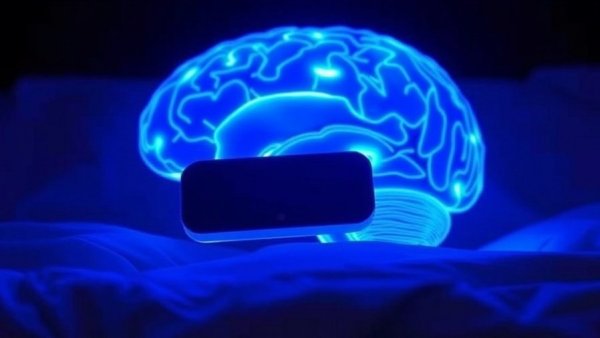
Recent research from the University of Gothenburg suggests weight loss medications, specifically Ozempic and Mounjaro, may hold keys to not just physical health but brain health as well. Beyond their primary roles in aiding weight loss and managing blood sugar levels in type 2 diabetes patients, these GLP-1 medications show promise in averting cognitive decline before it established.
Understanding GLP-1 Medications and Their Connection to Brain Health
GLP-1 medications such as semaglutide and tirzepatide do more than control obesity and diabetes; they engage biological pathways related to brain function. Studies have indicated animal models showing how these drugs can enhance memory and learning capabilities. However, efforts to parallel these findings with human data have yielded mixed conclusions.
Current Research Findings: A Mixed Bag
The encouraging association between GLP-1 treatment and reduced dementia rates among people with type 2 diabetes suggests these medications could be beneficial. But trials like Novo Nordisk's EVOKE and EVOKE+ have revealed that semaglutide does not meaningfully slow Alzheimer’s progression. This contrast underscores the complexities of neurodegenerative conditions, hinting that while these medications may help some, they do not universally curb cognitive deterioration.
Potential Mechanisms Behind Cognitive Benefits
Scientists theorize that GLP-1 medications might protect cognitive functions by improving metabolic health or through direct brain effects. The connection between cognitive impairments found in obesity and vascular health points to a differentiation in treatment response. Addressing issues like poor blood sugar control could enhance mental function, emphasizing the importance of early intervention.
The Need for Further Research and Early Intervention
Stina Börchers, leading the review team, advocates for targeted research. Determining whether early treatment in at-risk populations can preserve cognitive abilities remains a priority. Identifying the patients who stand to benefit most from these drugs will be crucial in developing tailored cognitive preservation strategies.
AI-Powered Insights Could Be Game-Changing
The intersection of AI and medical research offers exciting possibilities for understanding the full effect of GLP-1 medications. Artificial intelligence tools can analyze vast datasets to reveal patterns and correlations in cognitive health, enabling healthcare professionals to optimize treatment plans efficiently. AI applications in drug discovery, clinical trials, and personalized medicine can pinpoint which patients may gain the most from these innovative treatments.
Looking to the Future of Cognitive Health
As researchers grapple with the intricacies of cognitive health and medication effects, the potential for advancements in treatment options remains vast. Continued exploration into this relationship between weight management drugs and brain function, paired with AI-driven analytics, heralds a future where personalized medicine might enable scientists to craft tailored therapies for preserving cognitive health in vulnerable populations.
In conclusion, while GLP-1 medications show promise in supporting brain health, much remains to be uncovered. Healthcare professionals and researchers must stay vigilant in this evolving landscape, leveraging technology and partnerships to guide their pursuits.










Write A Comment