


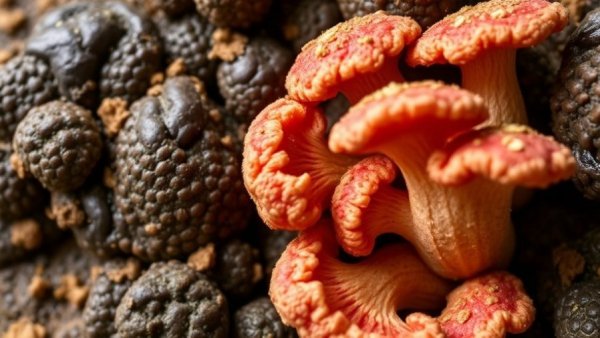
Understanding Fungal Toxins in Plant-Based Foods
In a recent investigation by researchers from the University of Parma and Cranfield University, a startling revelation emerged: every one of the 212 plant-based foods tested in the UK contained potentially harmful fungal toxins, known as mycotoxins. This research scrutinized a range of vegan and vegetarian products, including popular items like meat alternatives and dairy substitutes, raising vital questions about food safety and long-term consumption effects.
Mycotoxins are naturally occurring compounds produced by certain molds that can contaminate agricultural products. They are particularly concerning because they can infiltrate food through various stages—growing, harvesting, or storage—leading to widespread presence in grains, legumes, and seeds used in many plant-based foods.
The Safety Levels of Mycotoxins: What to Know
While the findings may sound alarming, there's a silver lining—each product contained mycotoxin levels beneath the recommended European Union guidelines. This indicates that the UK food industry maintains rigorous safety standards. Nonetheless, the implications of cumulative exposure over time remain a significant concern for regular consumers of plant-based diets.
Potential Health Risks: An Ongoing Concern
Researchers are urging caution, emphasizing that while occasional consumption of these products is unlikely to pose immediate health risks, a diet heavily reliant on plant-based foods could result in repeated exposure to mycotoxins. Past studies suggest that long-term, low-level exposure could lead to health problems that are not evident from eating a single contaminated product. Therefore, assessing overall dietary exposure becomes crucial for those who consume these foods regularly. This complex issue underscores the need for further research into how our nutritional habits might influence health in the long-term.
The Future: Innovation and Awareness in Food Safety
The integration of technology in food safety and monitoring could pave the way for innovative solutions. Artificial intelligence (AI) and machine learning applications are being explored to enhance food safety protocols, enabling precise monitoring of contaminants in food products. This future-oriented research could help mitigate risks associated with mycotoxin exposure and streamline food safety assessments.
As we move deeper into the realm of AI in healthcare and related fields, the potential for technological advancements to improve food safety and health outcomes becomes increasingly apparent. Examples include AI for predictive analytics in identifying contamination risks and enhancing drug discovery processes.
Practical Steps for Consumers
Consumers can take proactive steps to manage their dietary choices amid these findings. Increasing awareness about the origins of food products, choosing organic and locally-sourced foods, and maintaining a diverse diet can help mitigate potential risks of exposure to mycotoxins. Moreover, understanding the implications of cumulative exposure will empower consumers to make educated decisions about their diets.
This investigation into plant-based foods illustrates the importance of ongoing research and education regarding food safety and health. As patterns of consumption evolve, so too must our understanding of the potential risks involved.










Write A Comment